
 English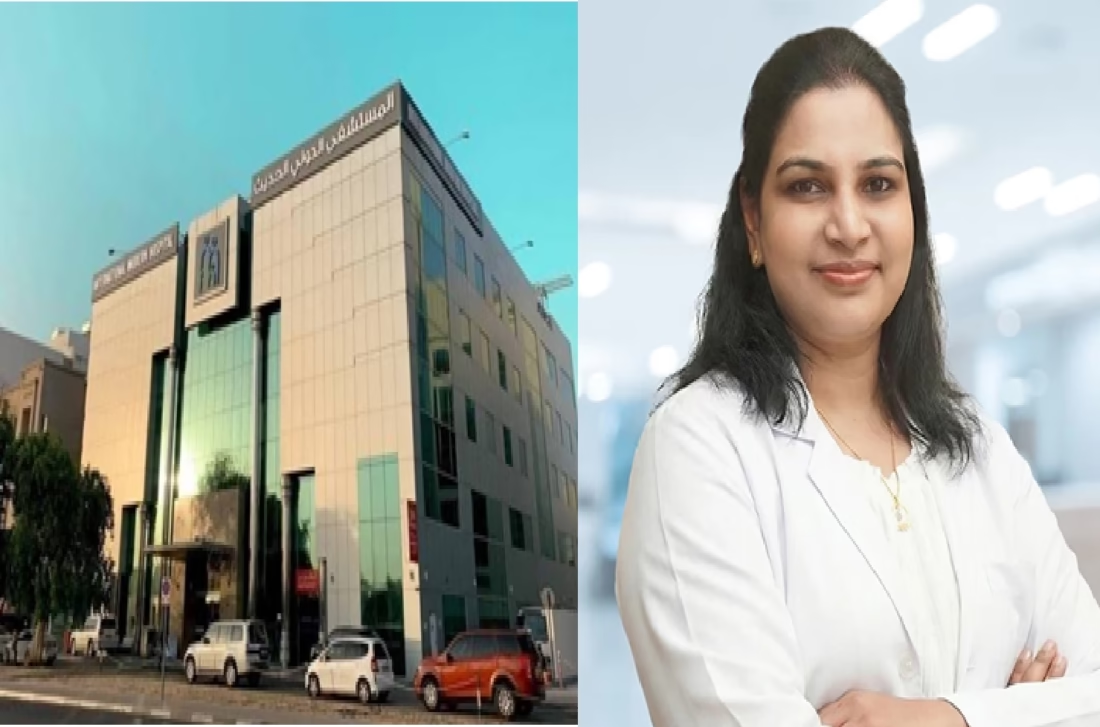










































































































































































































































































































































































































































































































































































Back to the Heat: Why Returning to the UAE Can Leave Holidaymakers Feeling Exhausted

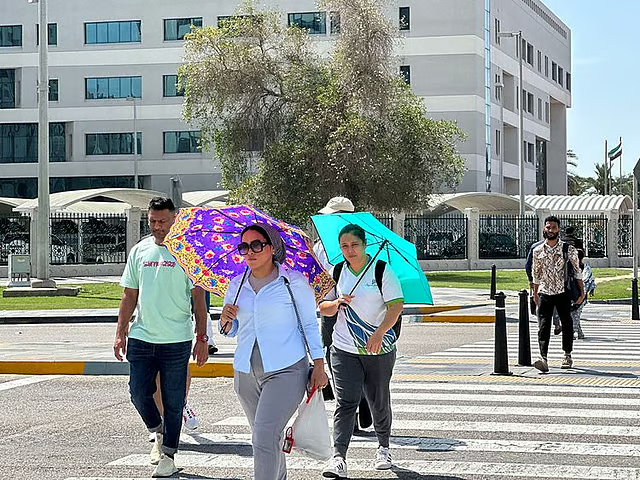
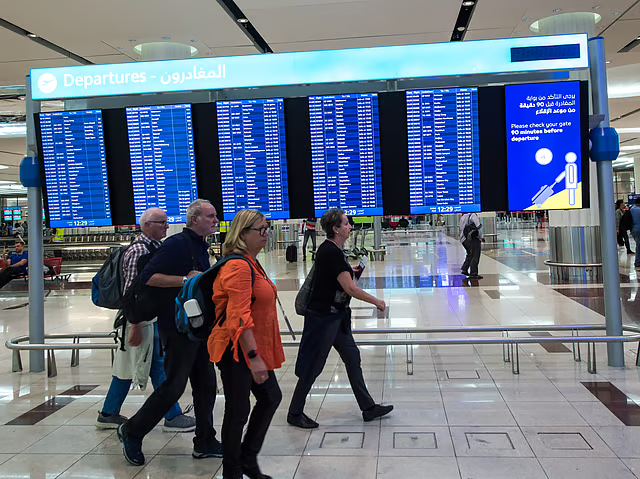
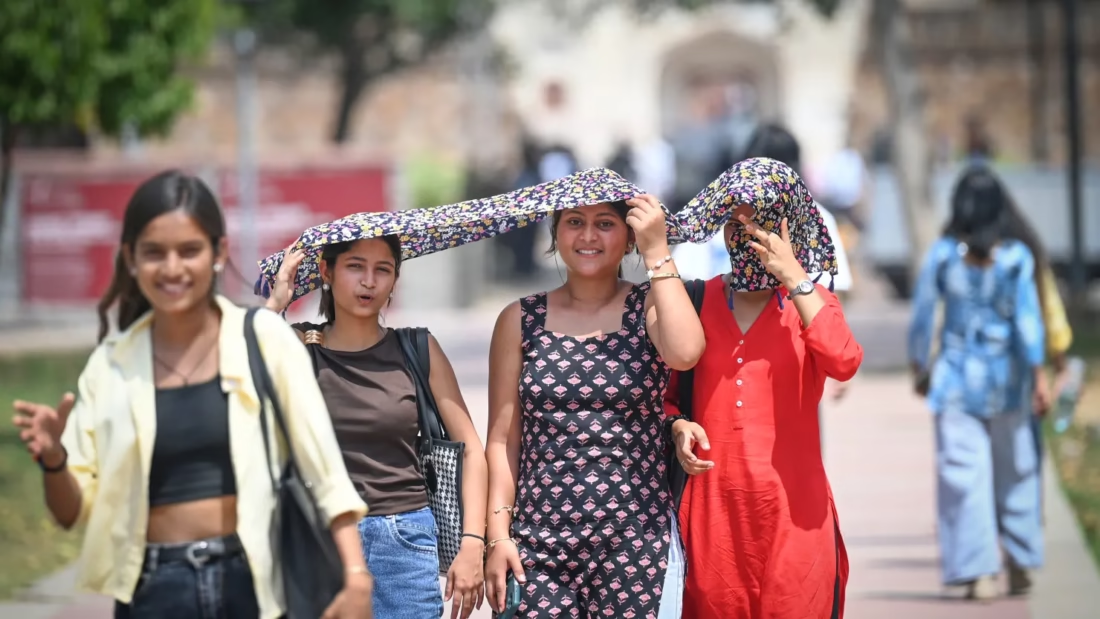
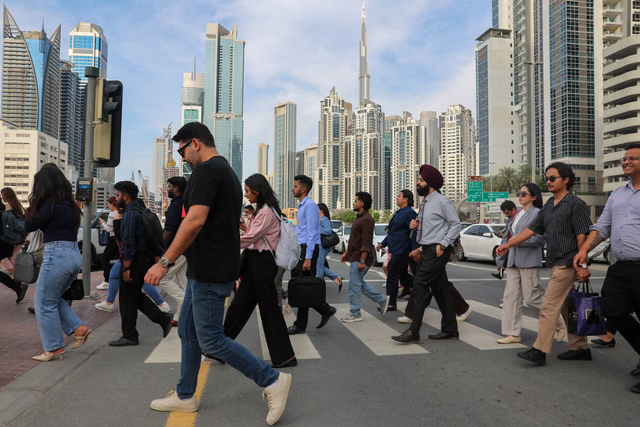
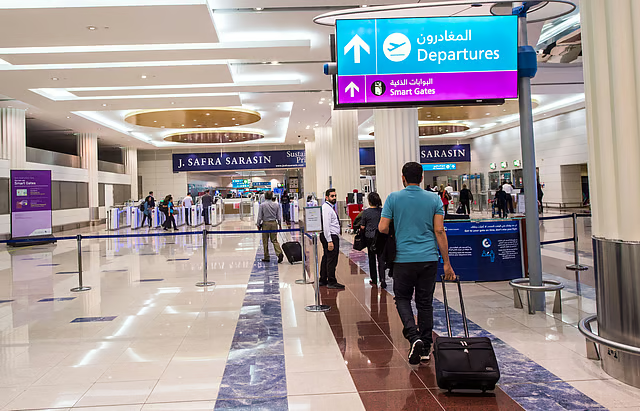
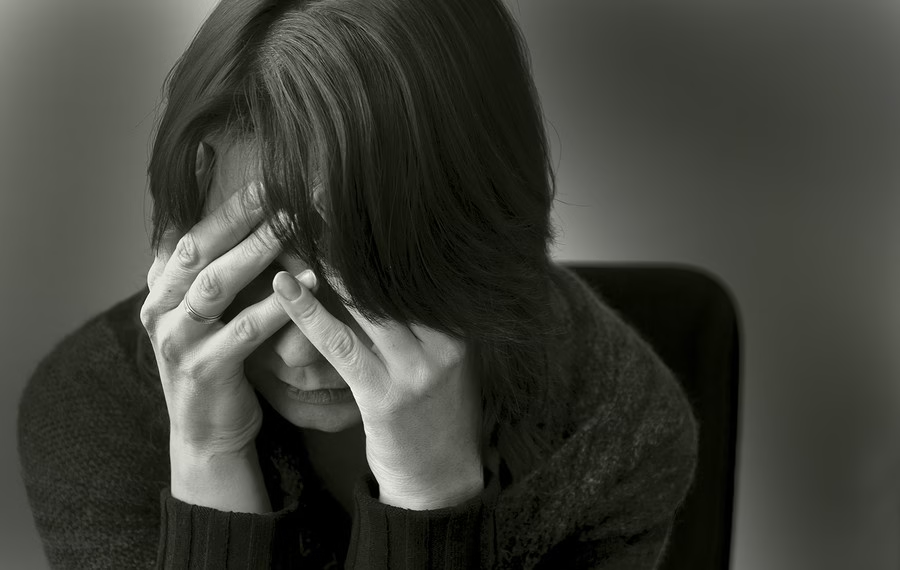
Returning to the UAE after spending several weeks in a cooler destination can leave some travellers feeling unusually tired, sluggish or generally out of sorts. According to a family medicine specialist, this is often part of the body’s natural process of readjusting to extreme heat and humidity.
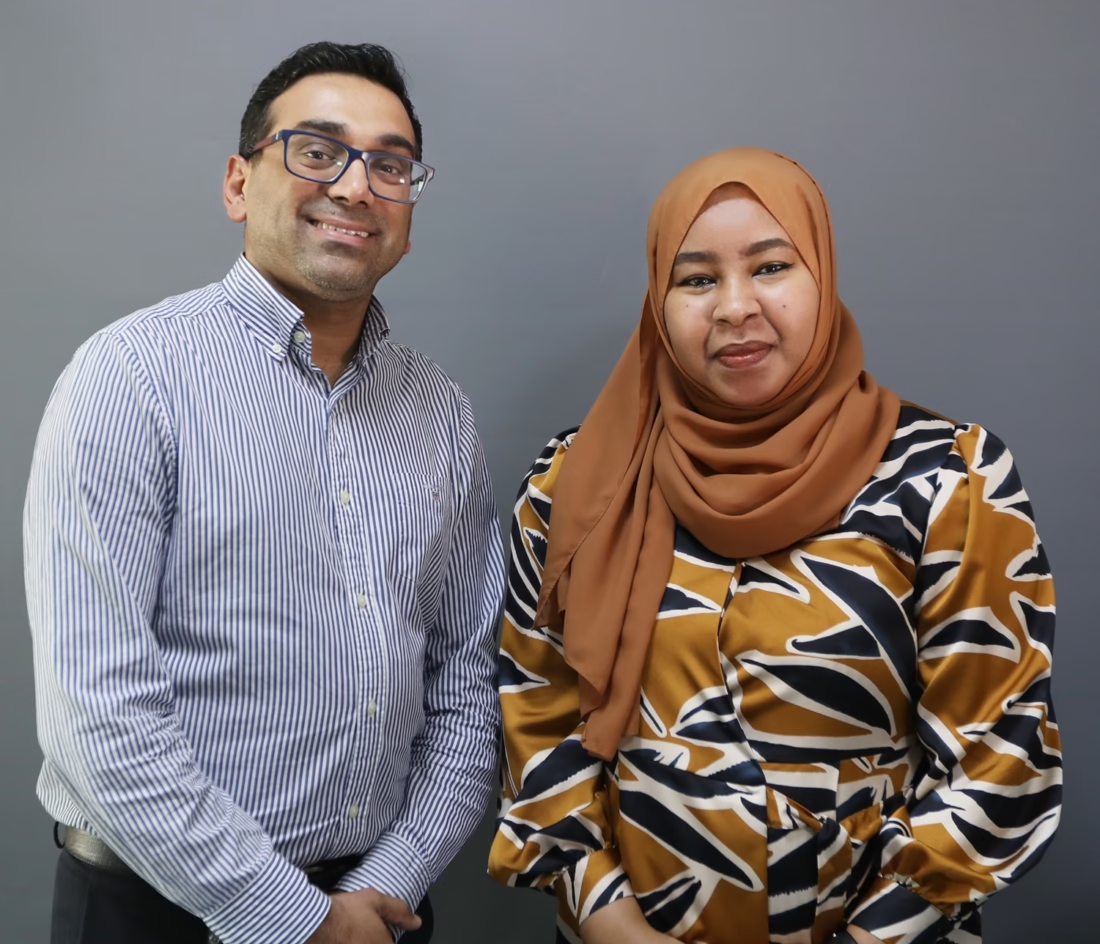
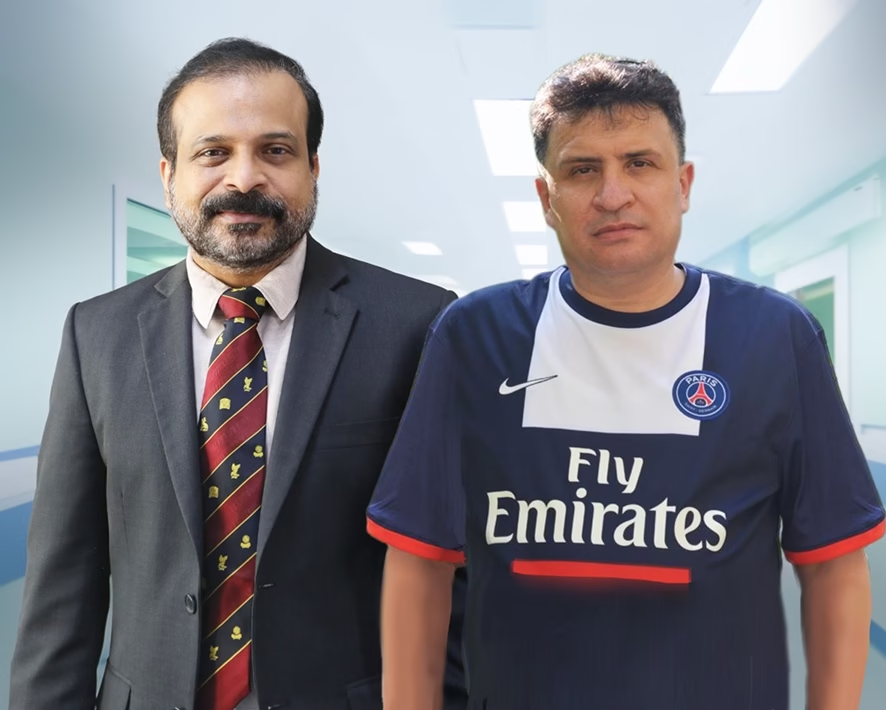
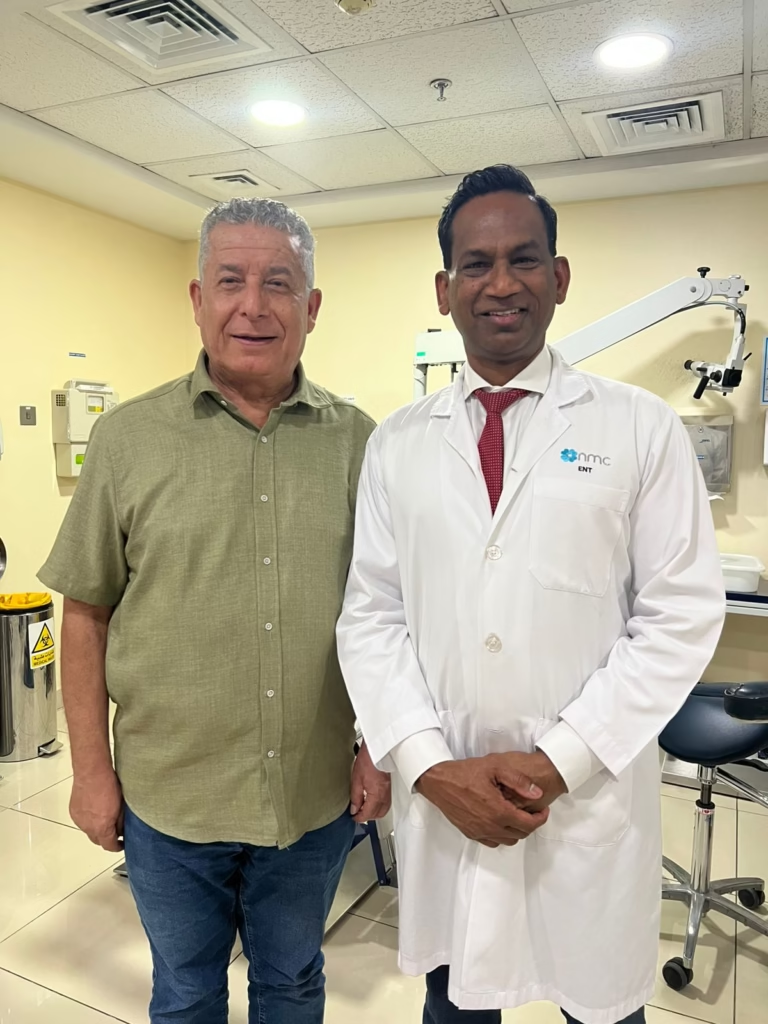
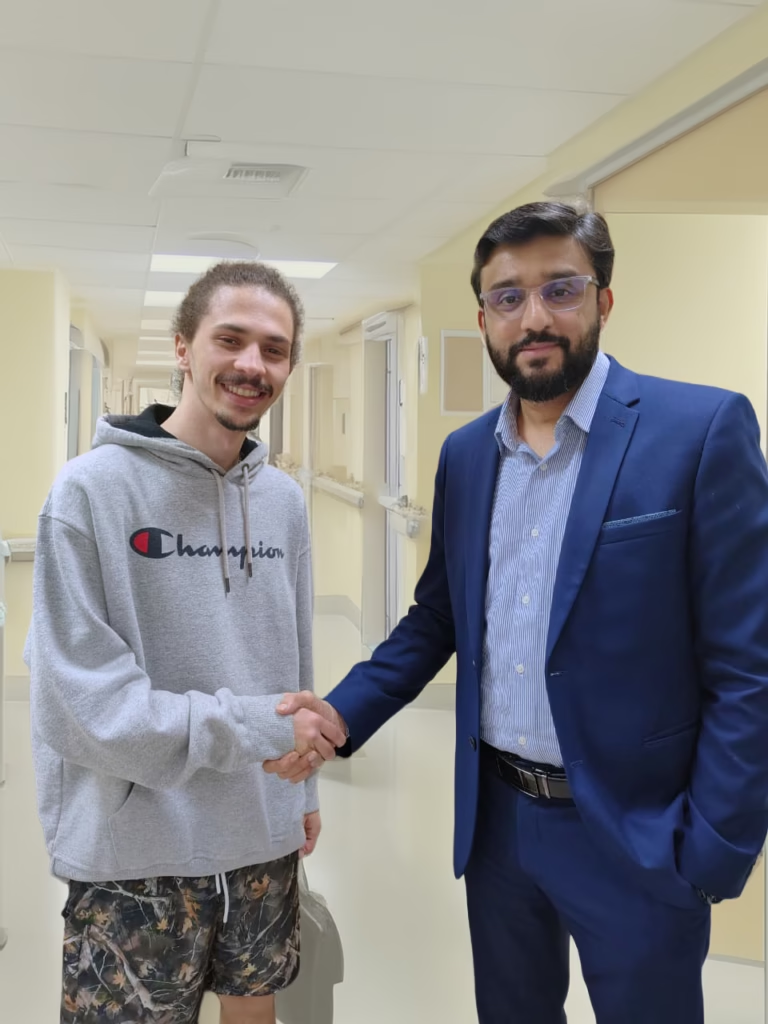
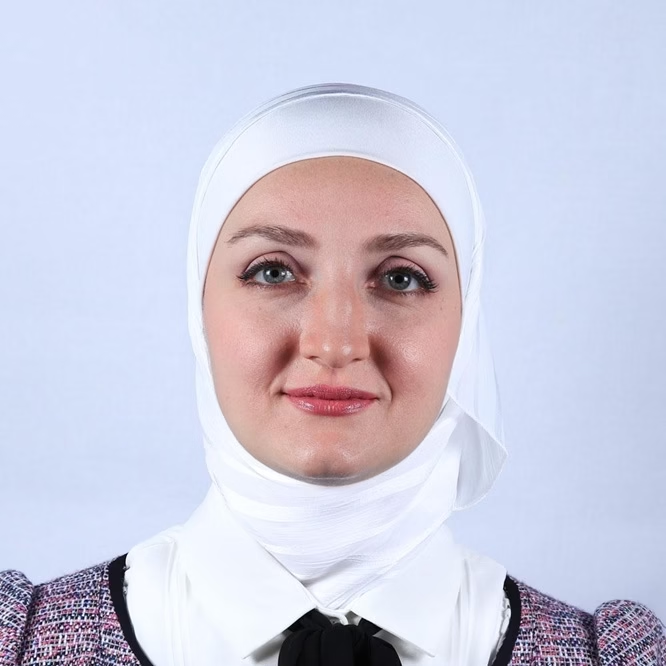
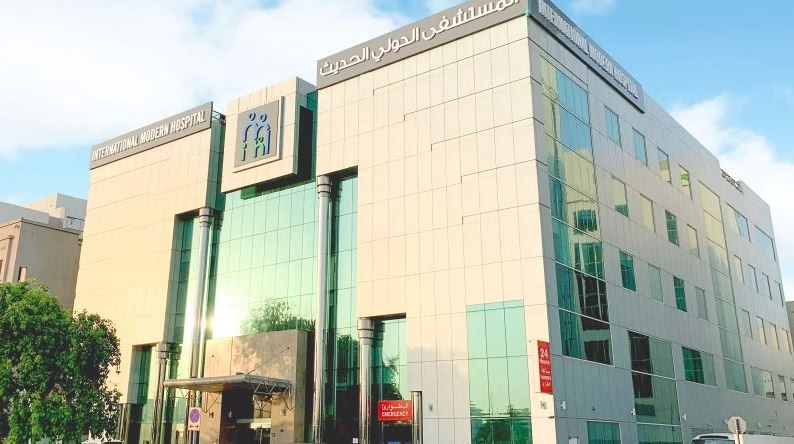
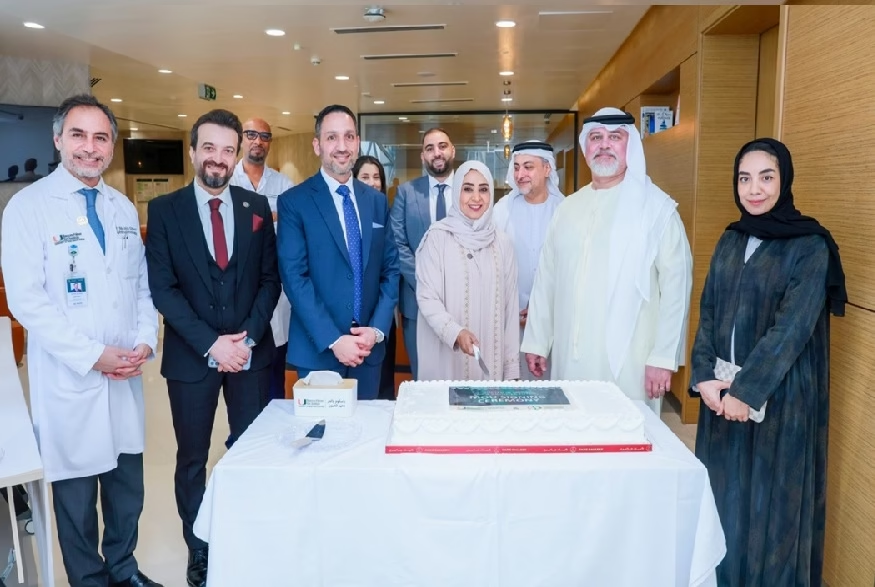
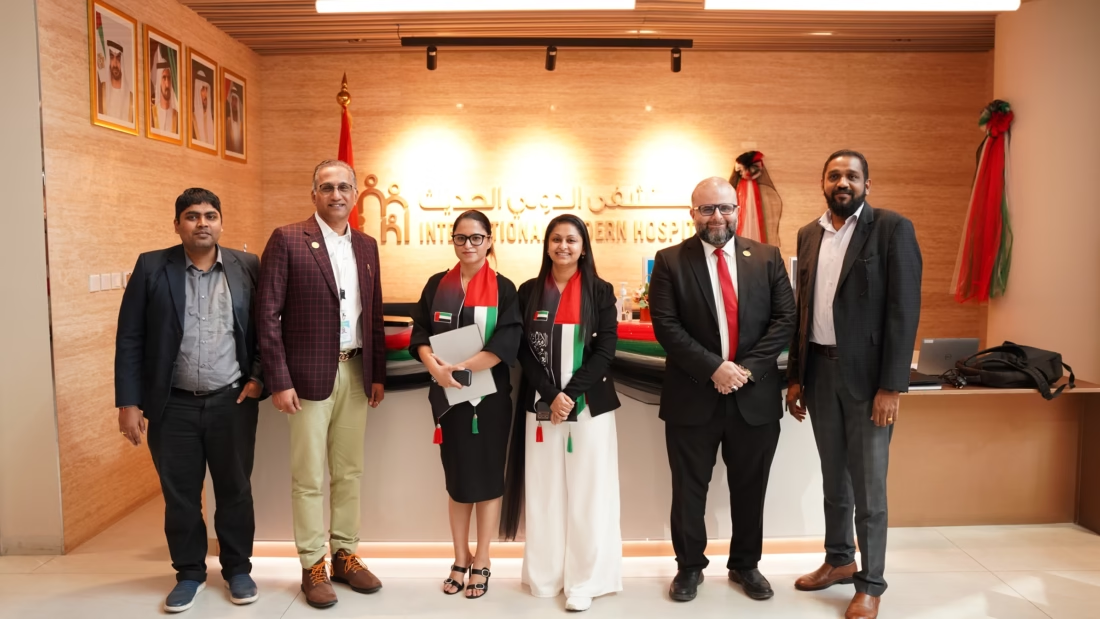
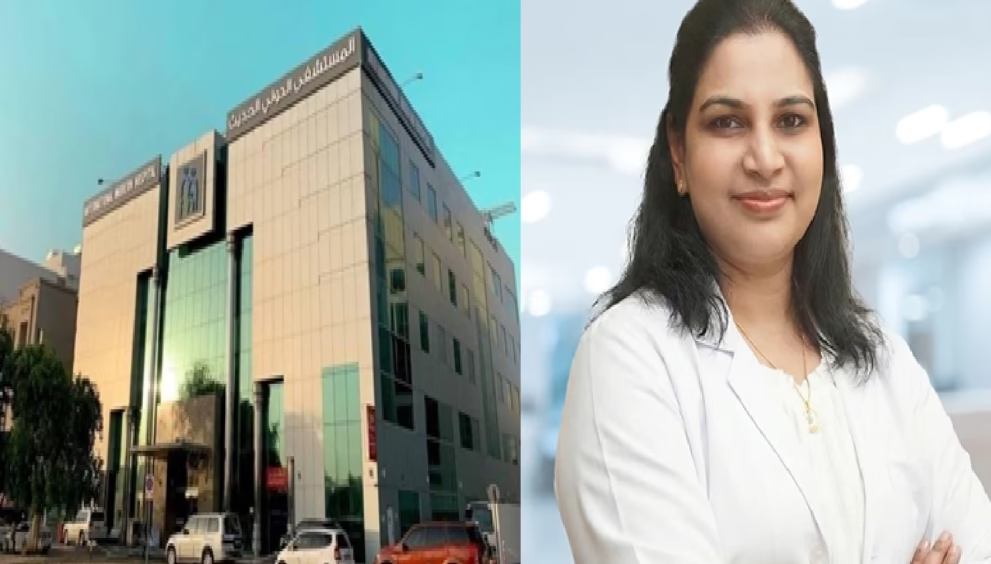
Dr. Renuka Ramasamy, Specialist in Family Medicine at International Modern Hospital Dubai, explains that spending time away from a hot environment can temporarily reduce some of the body’s heat adaptations.
“When someone spends a couple of weeks in a much cooler climate, some of the body’s adaptation to extreme heat can begin to diminish,” she says. “Heat acclimatisation influences how efficiently we sweat, regulate our core temperature and manage the cardiovascular strain caused by hot weather.”
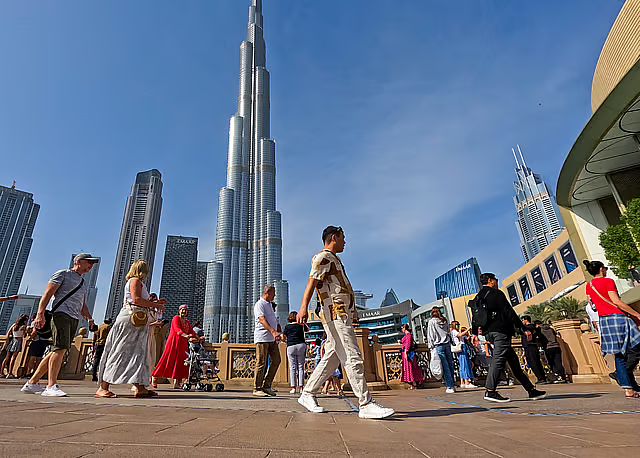
These adaptations can start declining within days or weeks when a person is no longer regularly exposed to high temperatures. When they return suddenly to the UAE’s summer conditions, their body must work harder to maintain a safe and stable core temperature.
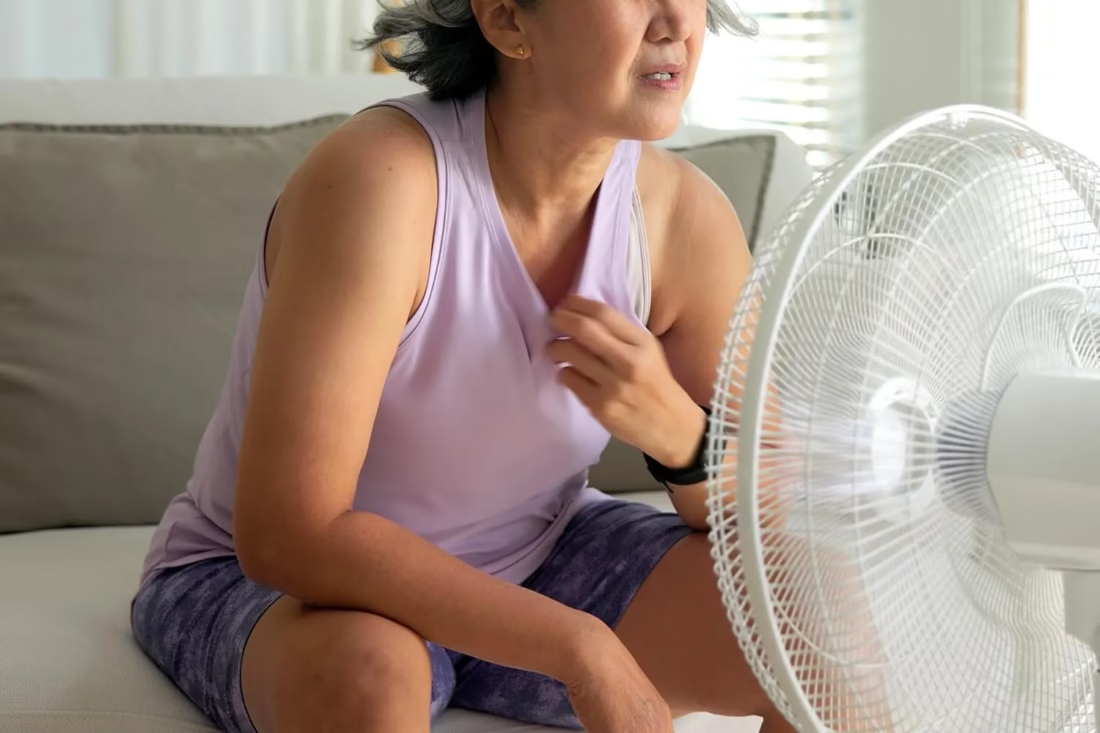
More blood is directed towards the skin to release heat, sweating increases and the cardiovascular system must compensate for the additional strain. As a result, some people may initially feel unusually tired, physically heavy, less energetic or generally unwell.
“It is essentially a period of re-acclimatisation,” Dr. Ramasamy explains. “Fortunately, someone who was previously accustomed to the UAE climate will generally readjust more quickly than a person experiencing this level of heat for the first time.”
Heat, dehydration and disrupted routines
The sudden change in temperature is rarely the only reason people feel unwell after returning from holiday. Heat, humidity, dehydration, poor sleep and changes to daily routines can combine to make the transition more difficult.
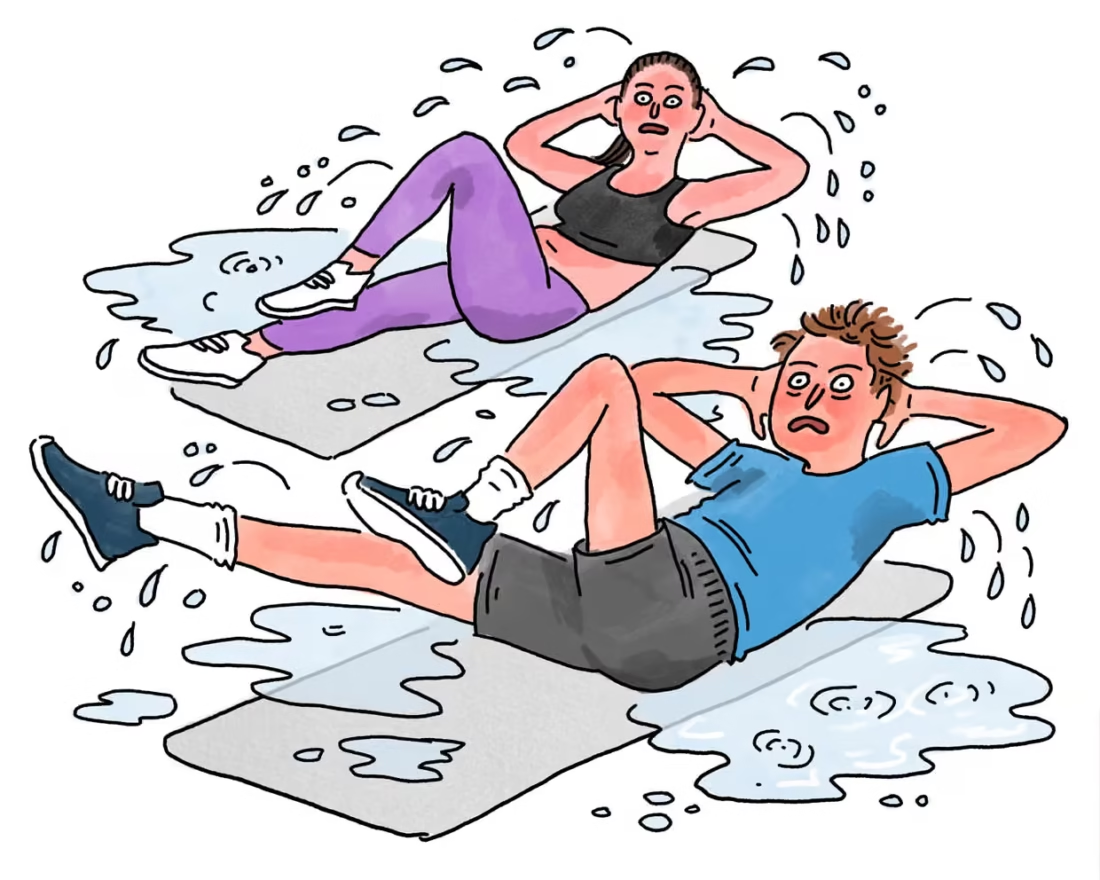
In hot and humid conditions, sweating and fluid loss increase. At the same time, high humidity makes it harder for sweat to evaporate from the skin, reducing the body’s ability to cool itself efficiently.
Even relatively mild dehydration can contribute to fatigue, headaches, dizziness and difficulty concentrating.
“Travel may also disrupt sleep, meal times, exercise habits and normal daily routines,” Dr. Ramasamy says. “People can arrive home already tired or inadequately hydrated and then immediately expose their bodies to considerable heat stress.”
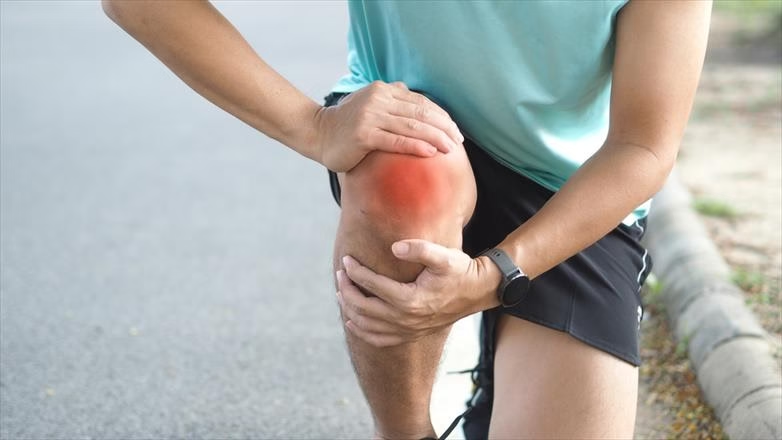
Certain groups are more vulnerable to the effects of high temperatures. These include older adults, young children, pregnant women, outdoor workers and people undertaking strenuous outdoor exercise. Individuals with chronic medical conditions and those taking medications that affect hydration, sweating or temperature regulation should also be particularly cautious.
Give the body time to readjust
During the first few days back in the UAE, people should allow their bodies to gradually readjust instead of immediately returning to a demanding routine.
Drinking water regularly throughout the day is important, rather than waiting until intense thirst develops. People who are sweating heavily may also need to replace electrolytes. However, those with heart or kidney conditions, or who have been advised to restrict their fluid intake, should follow their doctor’s individual recommendations.
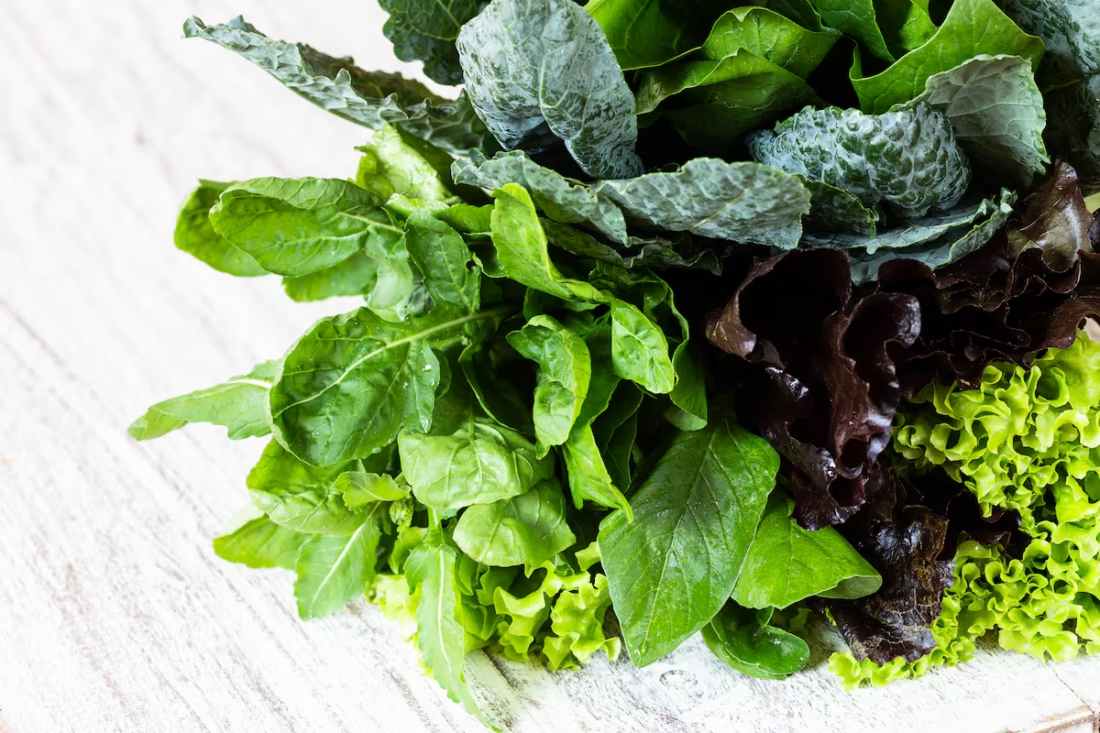
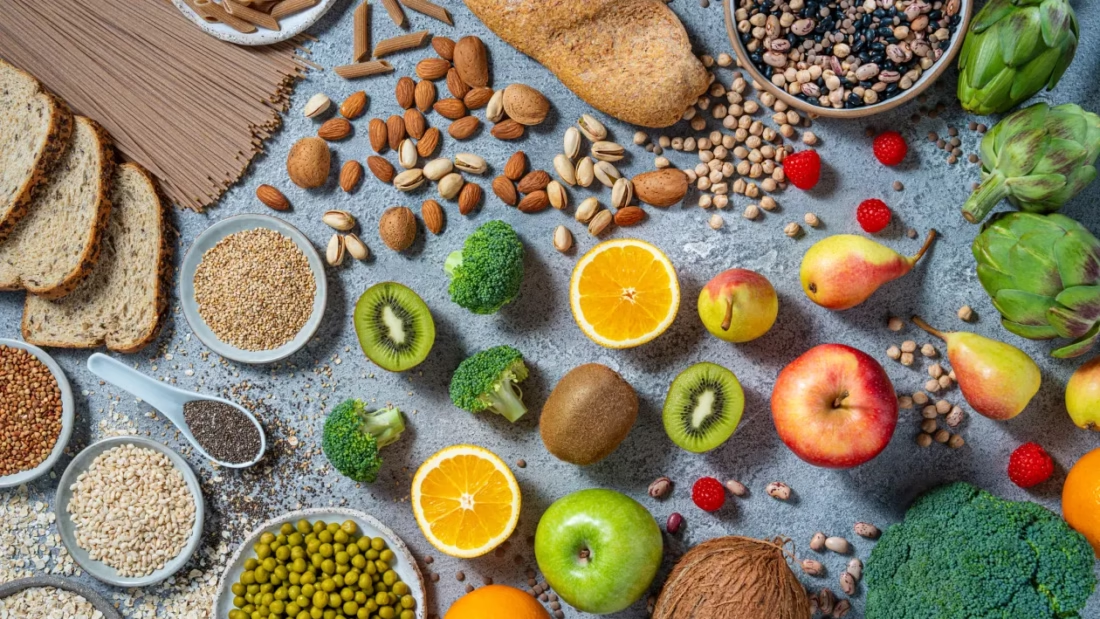
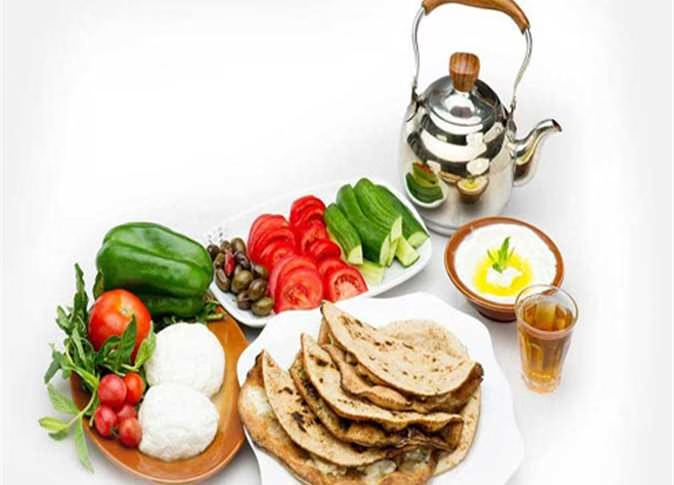
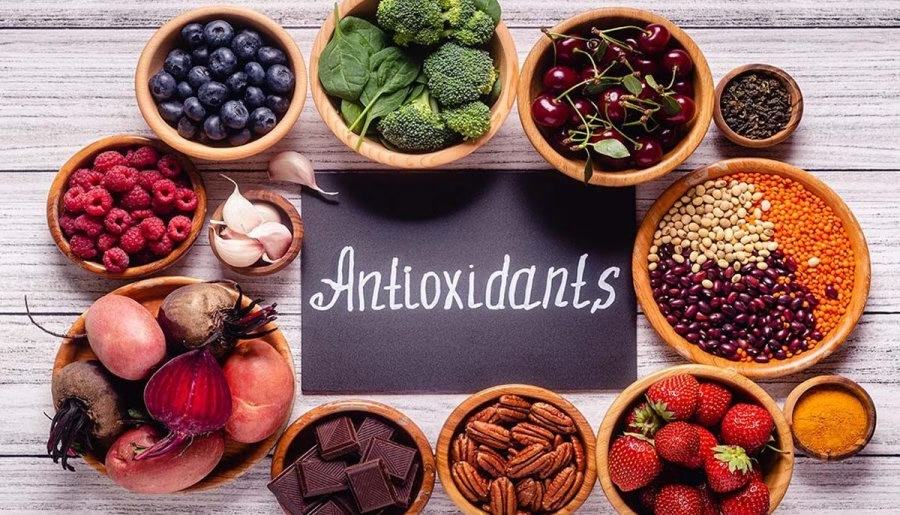
Restoring a regular sleep and meal schedule as soon as possible can also support recovery. Fruits, vegetables and other water-rich foods may help maintain hydration, while excessive alcohol consumption should be avoided because it can worsen dehydration.
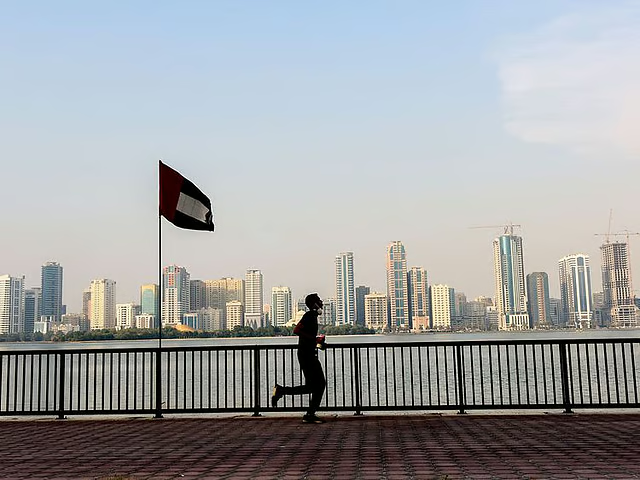
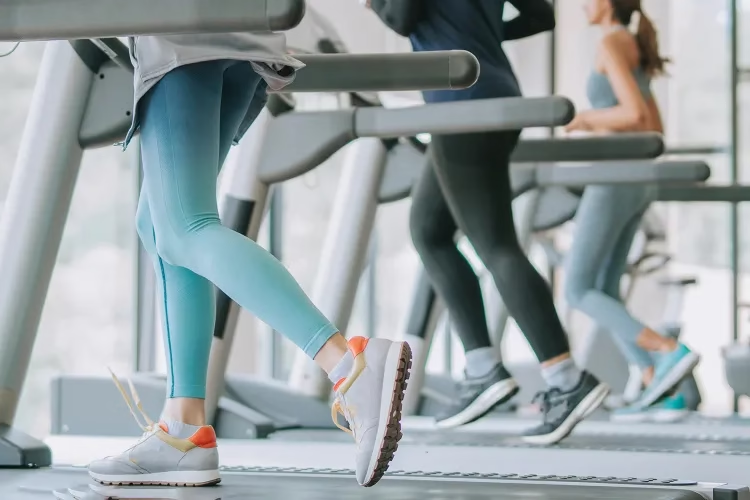
Exercise should initially be lighter, particularly when performed outdoors. Strenuous physical activity should be avoided during the hottest part of the day, and both the intensity of exercise and the amount of time spent outdoors should be increased gradually as heat tolerance returns.
“The body needs time to readjust,” Dr. Ramasamy says. “People who are not fully acclimatised should reduce the intensity and duration of outdoor exercise during their first week back in a hot environment.”
When symptoms require medical attention
Although mild tiredness and reduced energy may be part of normal re-acclimatisation, people should not automatically dismiss more serious symptoms as a consequence of returning from holiday.
Significant dizziness, fainting, confusion, persistent vomiting, severe weakness or other concerning symptoms may indicate heat-related illness and require prompt medical assessment.
“It is important to distinguish normal readjustment from possible heat illness,” Dr. Ramasamy warns. “Severe or persistent symptoms should not simply be attributed to coming back from holiday.”
For most healthy people, careful hydration, adequate sleep, lighter exercise and gradual exposure to outdoor heat can make the transition back to the UAE climate safer and more comfortable.
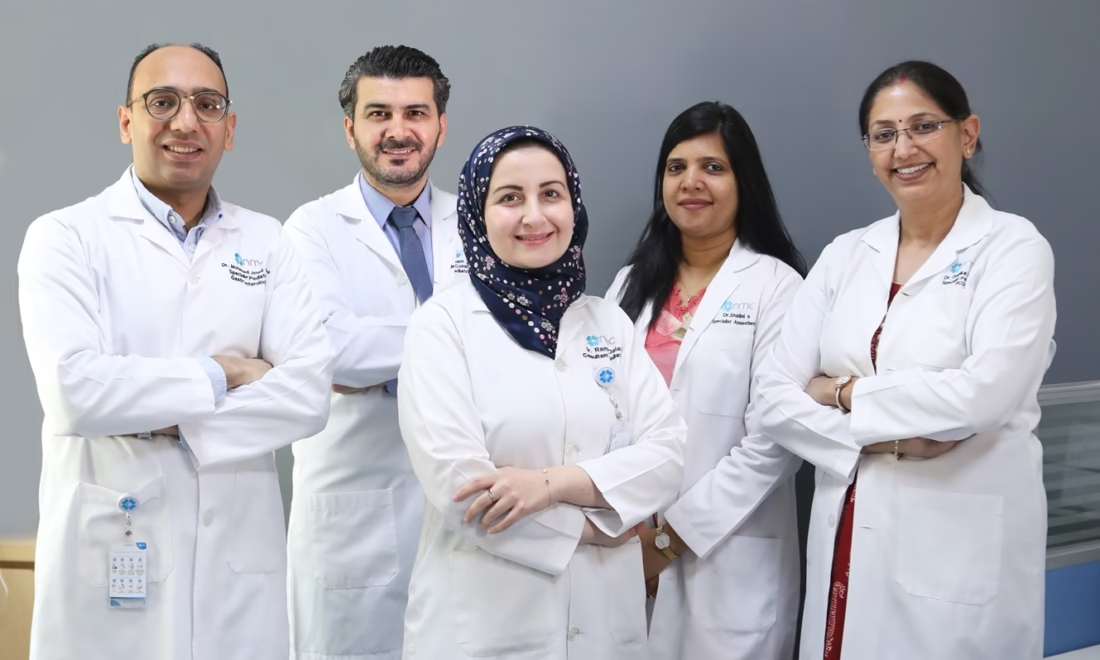
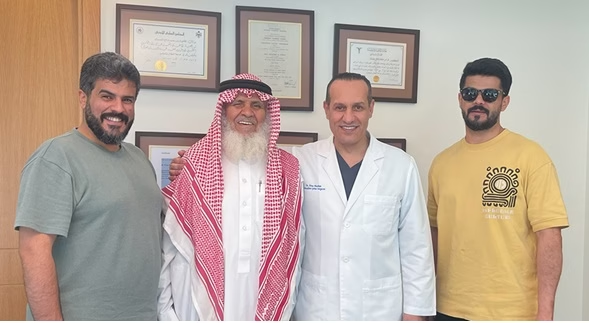
Dr. Renuka Ramasamy
Specialist in Family Medicine
International Modern Hospital Dubai