
 English

































































































































































































































































































































































































































































































































































































































































































































































































































































Saudi Arabia to burn more oil for power this summer

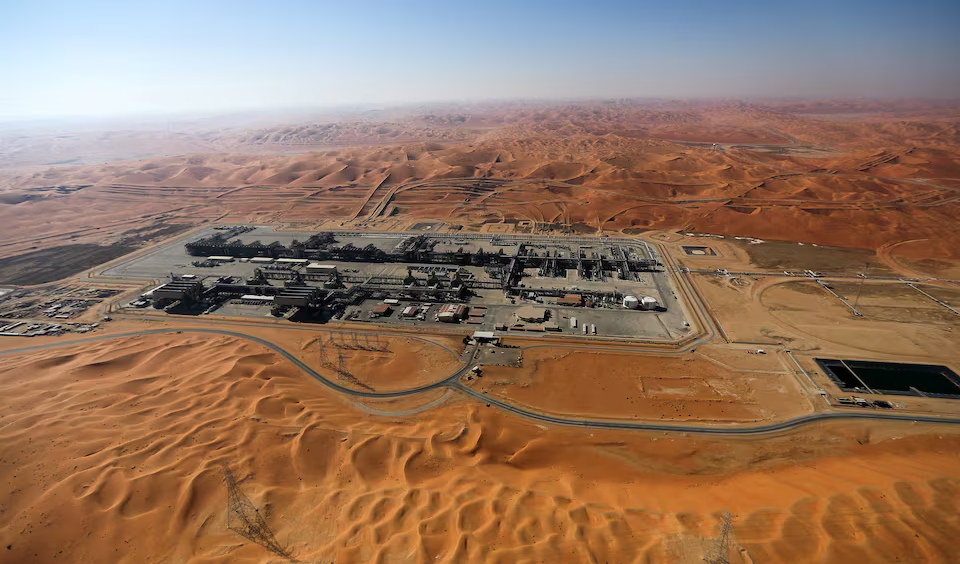
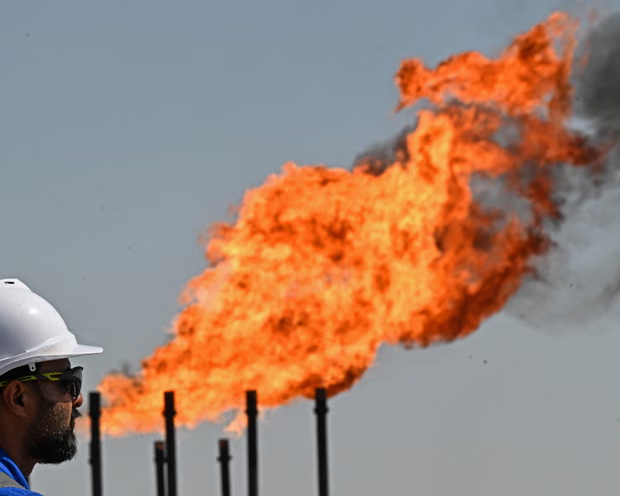
Saudi Arabia is expected to burn more imported fuel oil for power generation this summer following a loss of natural gas supply from oilfields that have been shut after the Iran war curbed its oil exports, analysts said.
The rise in fuel oil use at power plants just as electricity demand jumps for cooling in the summer marks a setback for the kingdom’s push to switch to cleaner fuels.
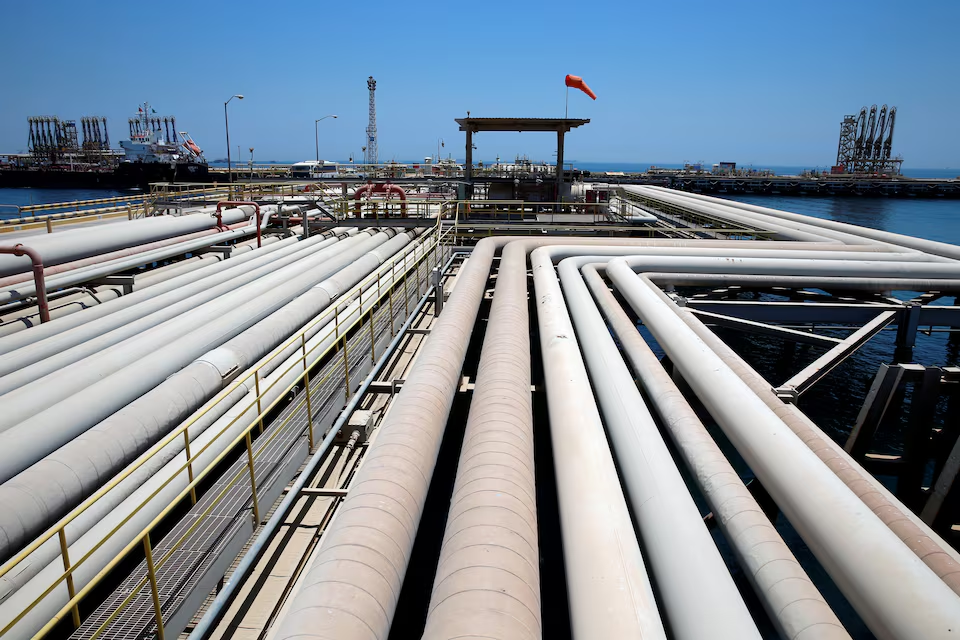
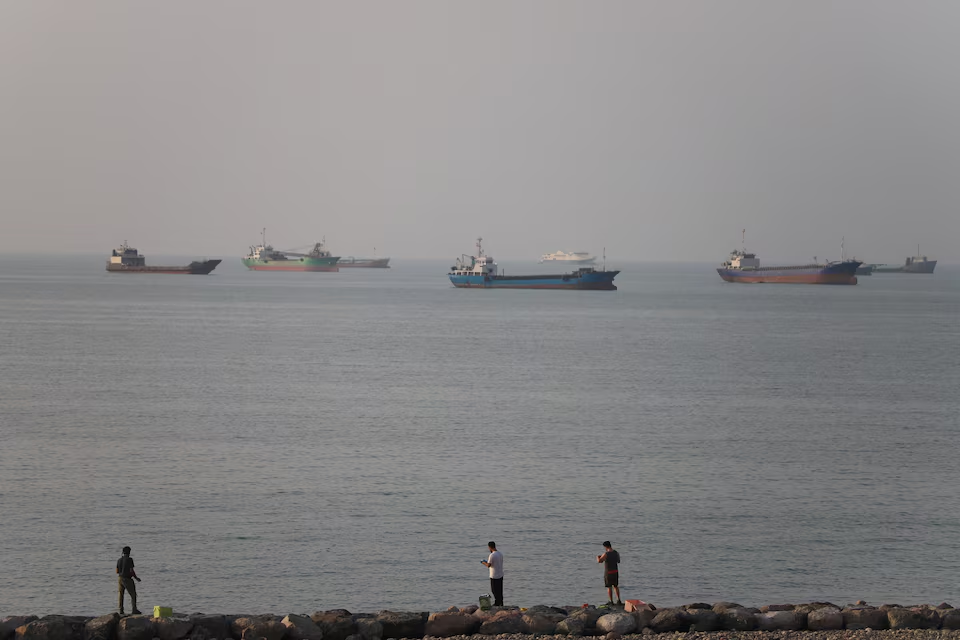
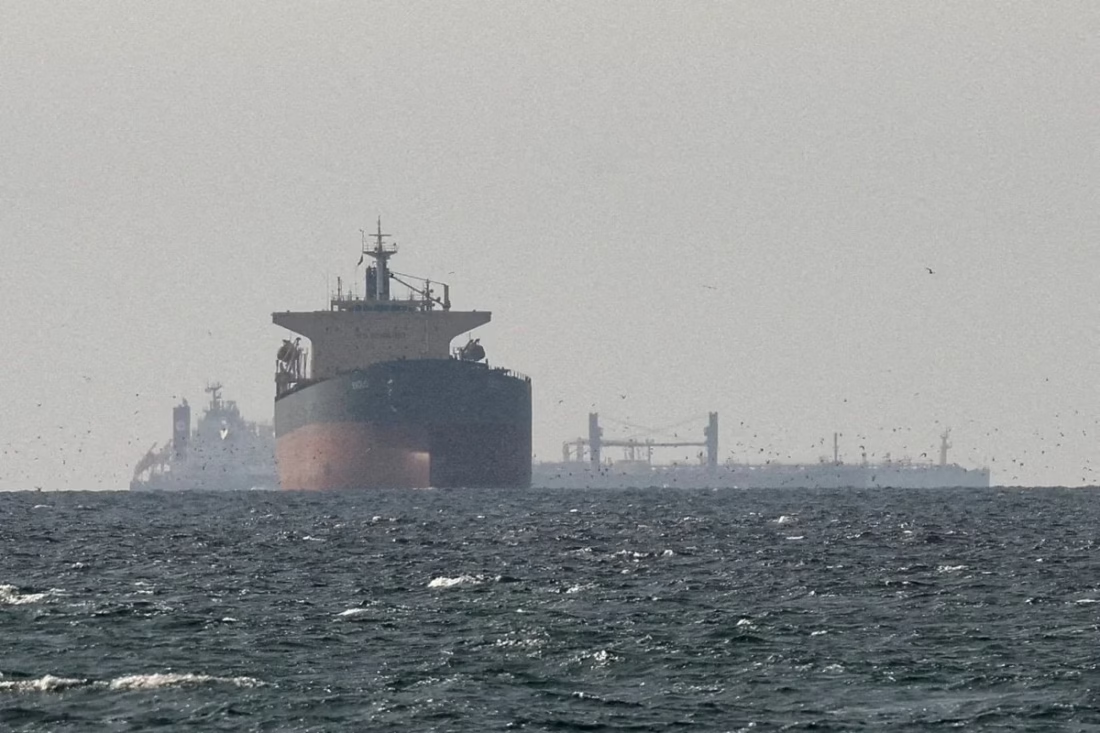
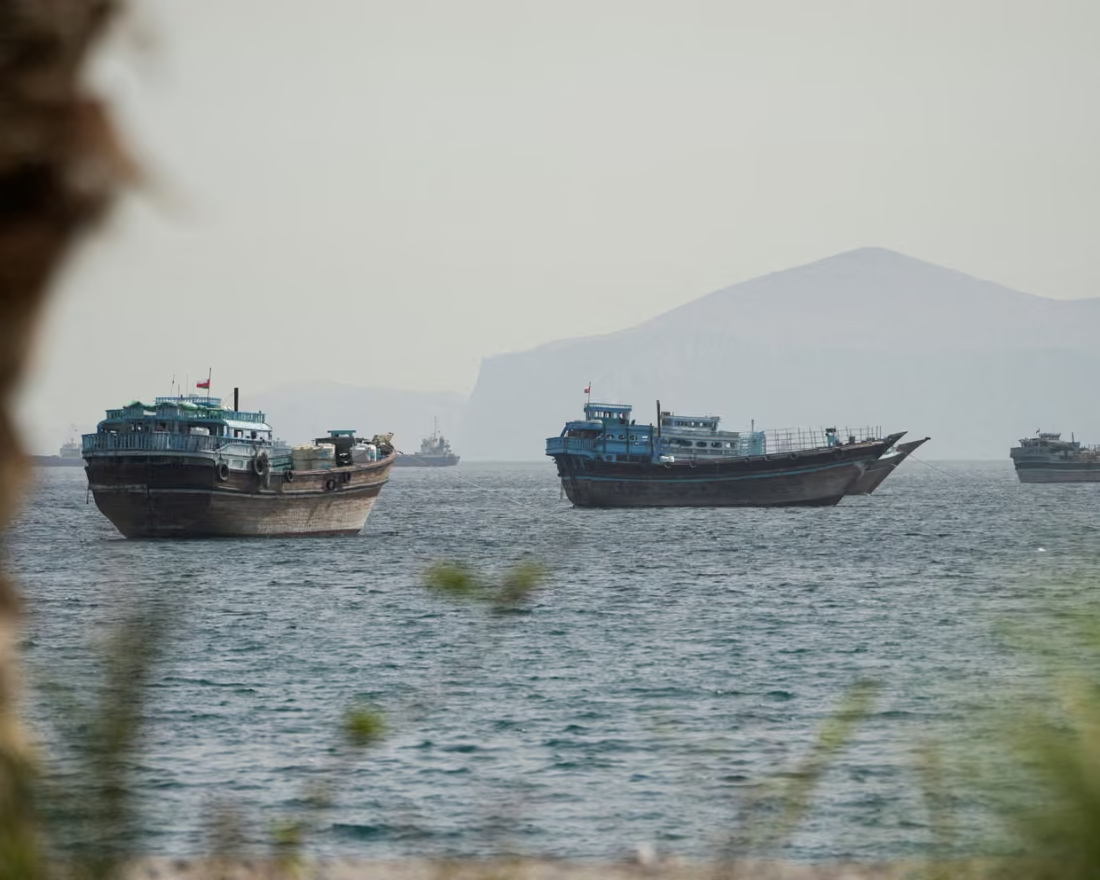
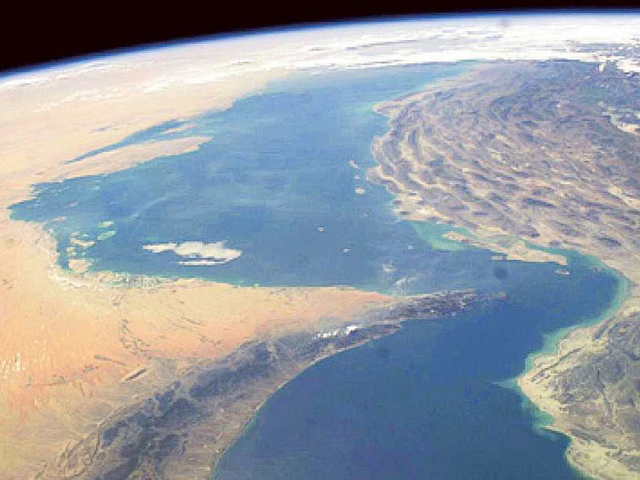
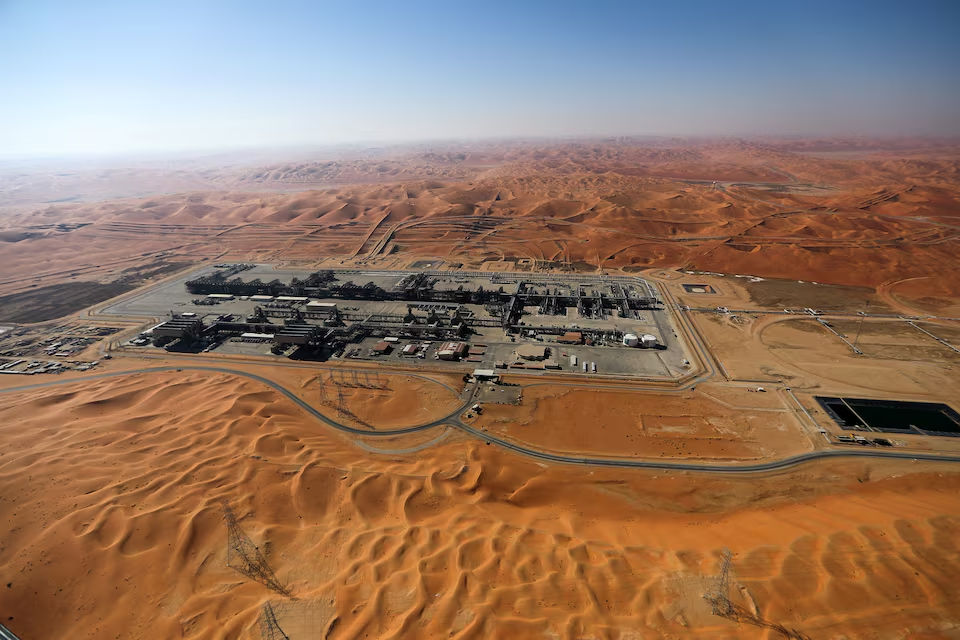
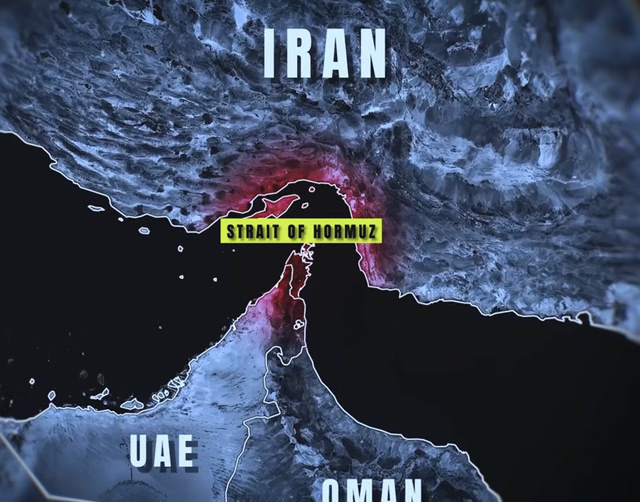
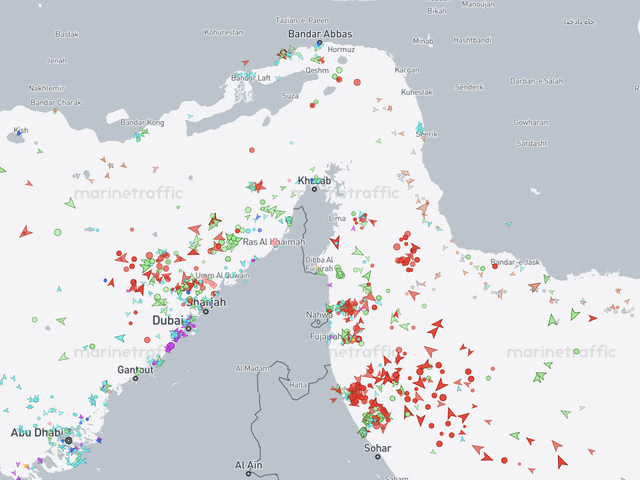
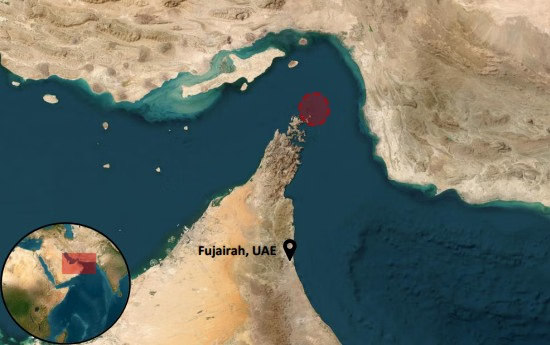
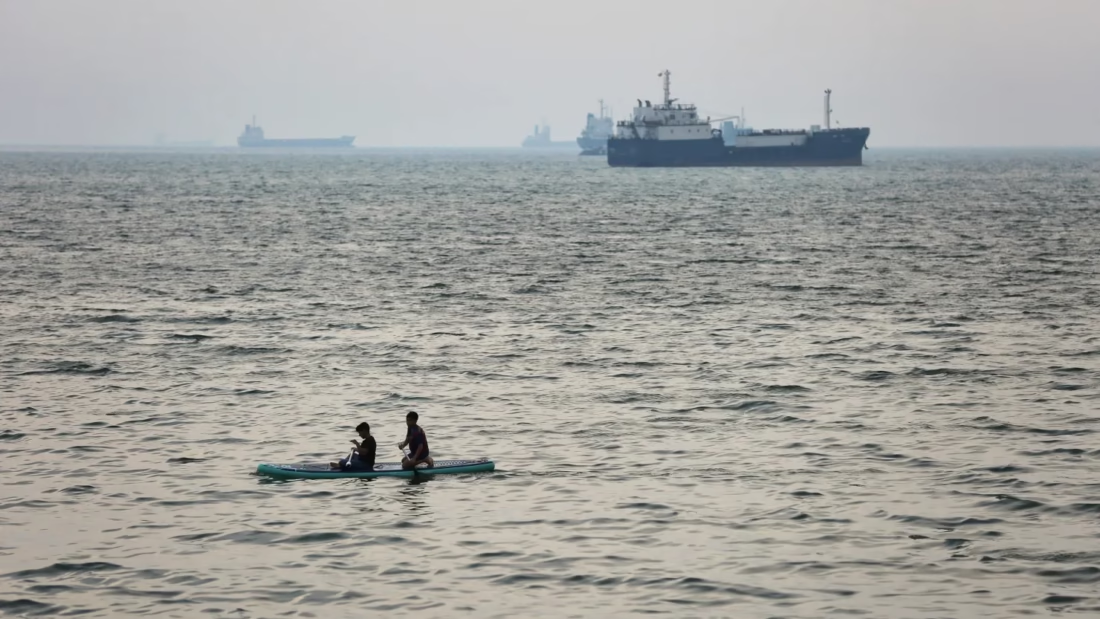
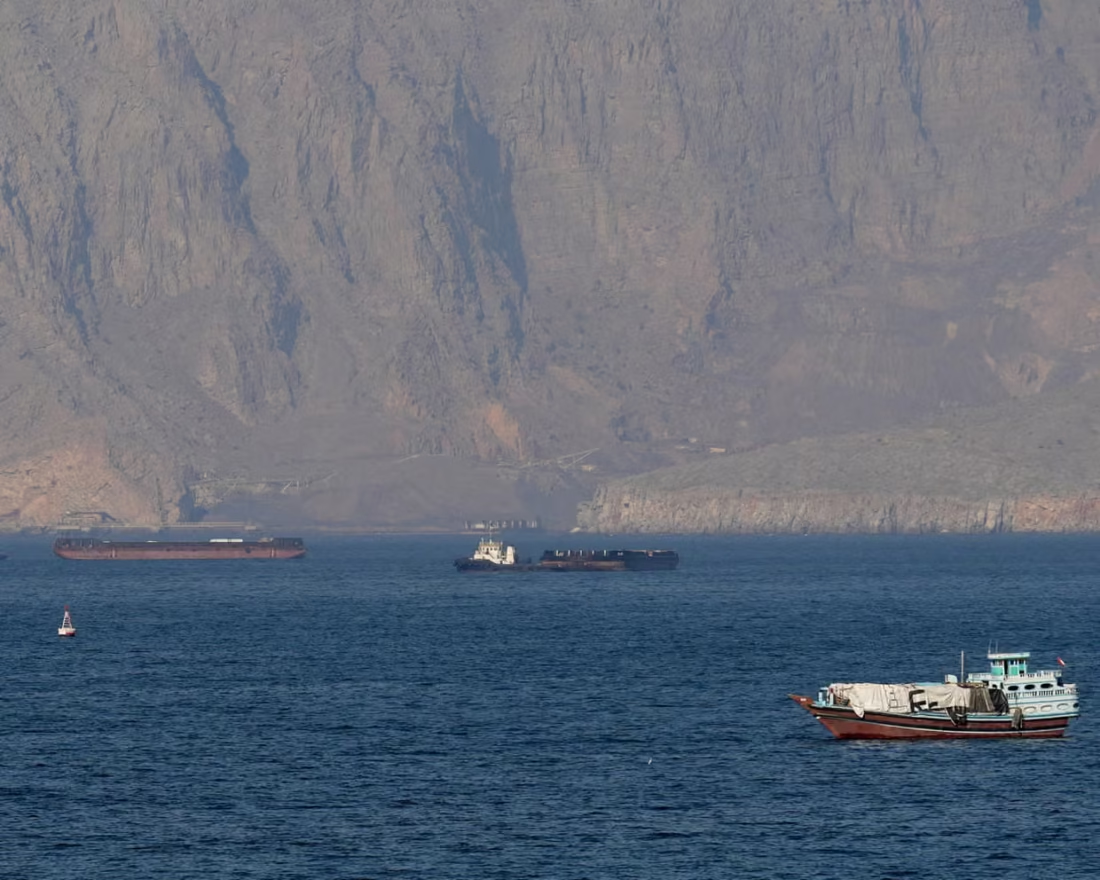
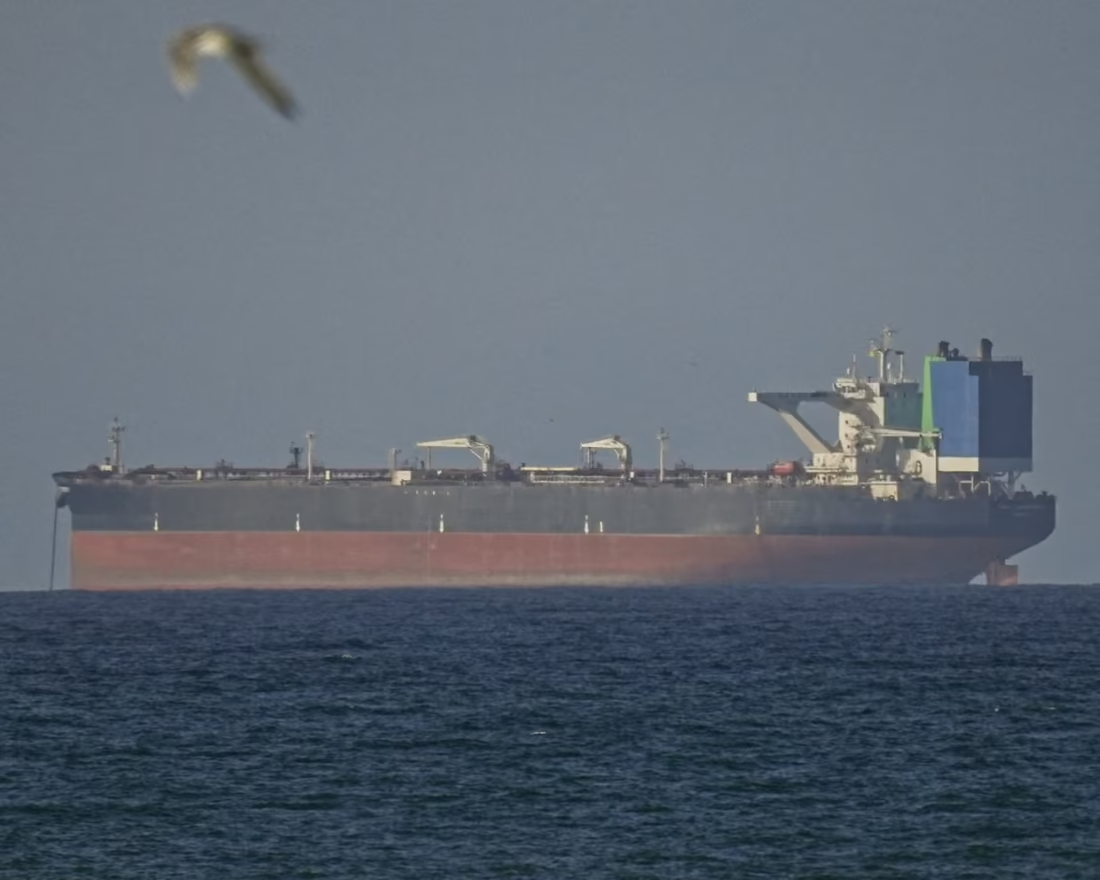
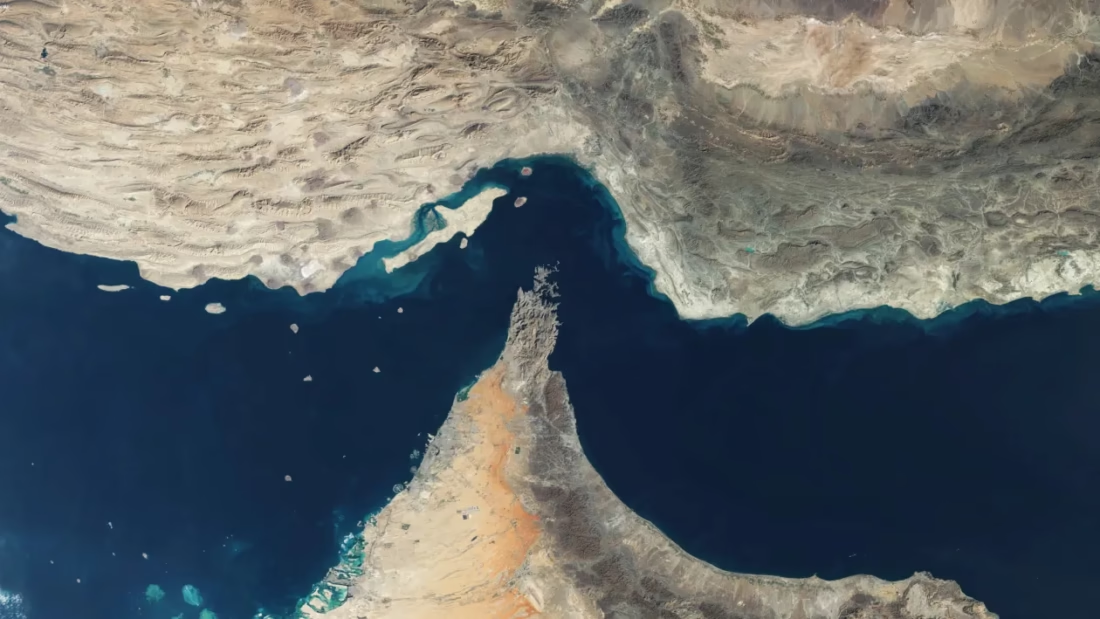
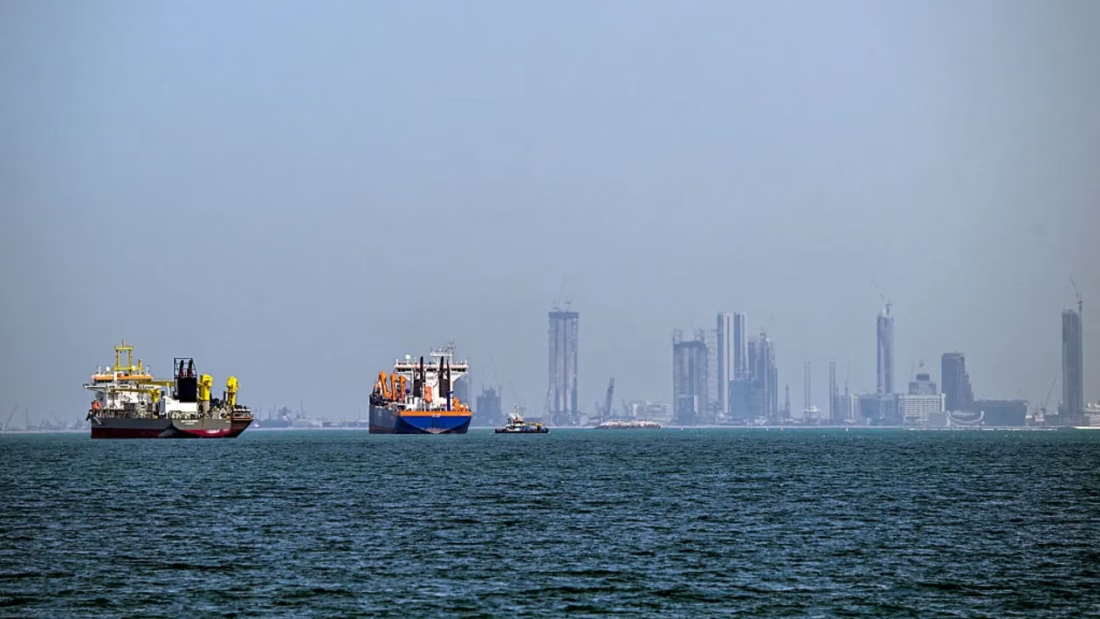
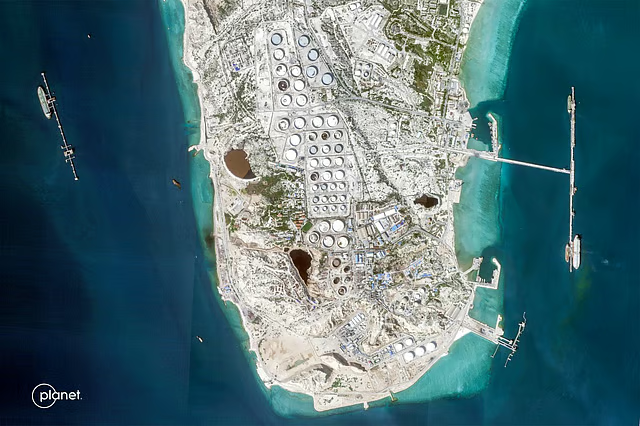
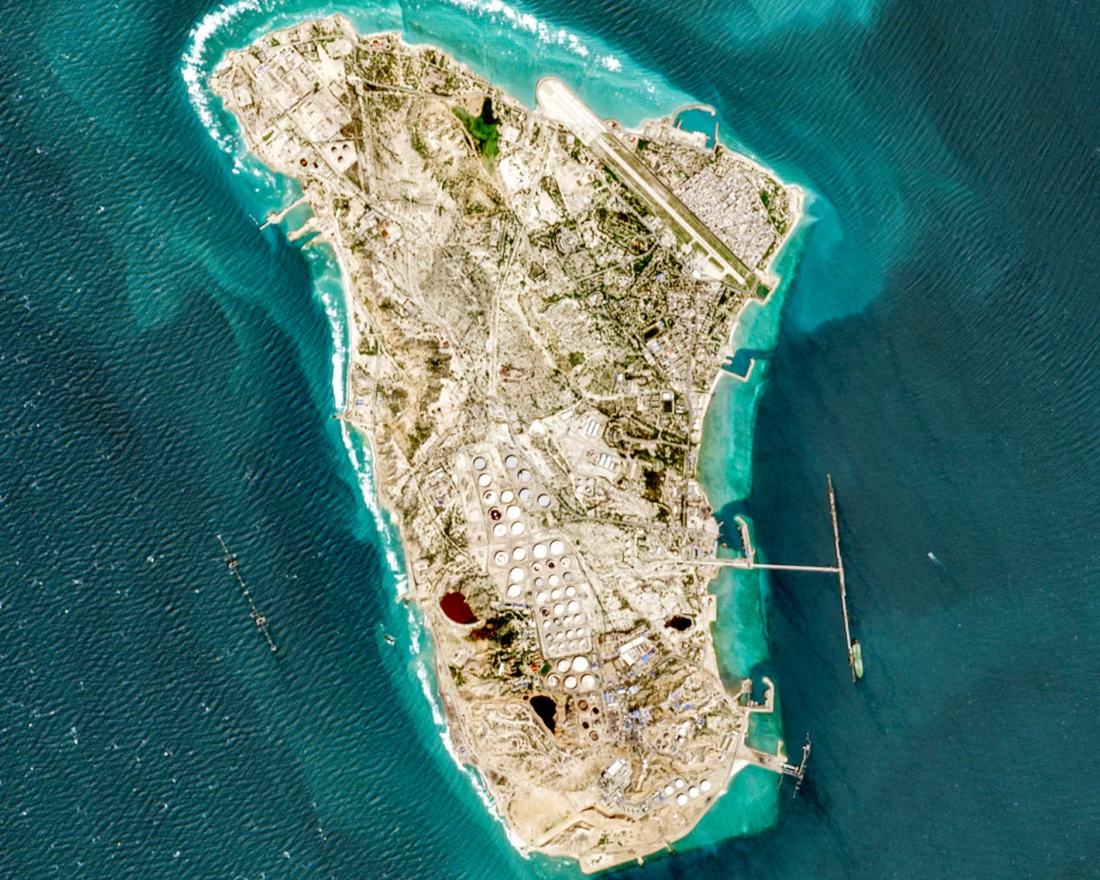
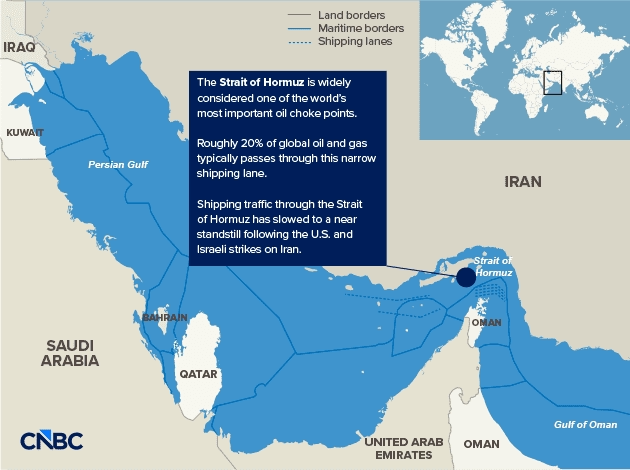
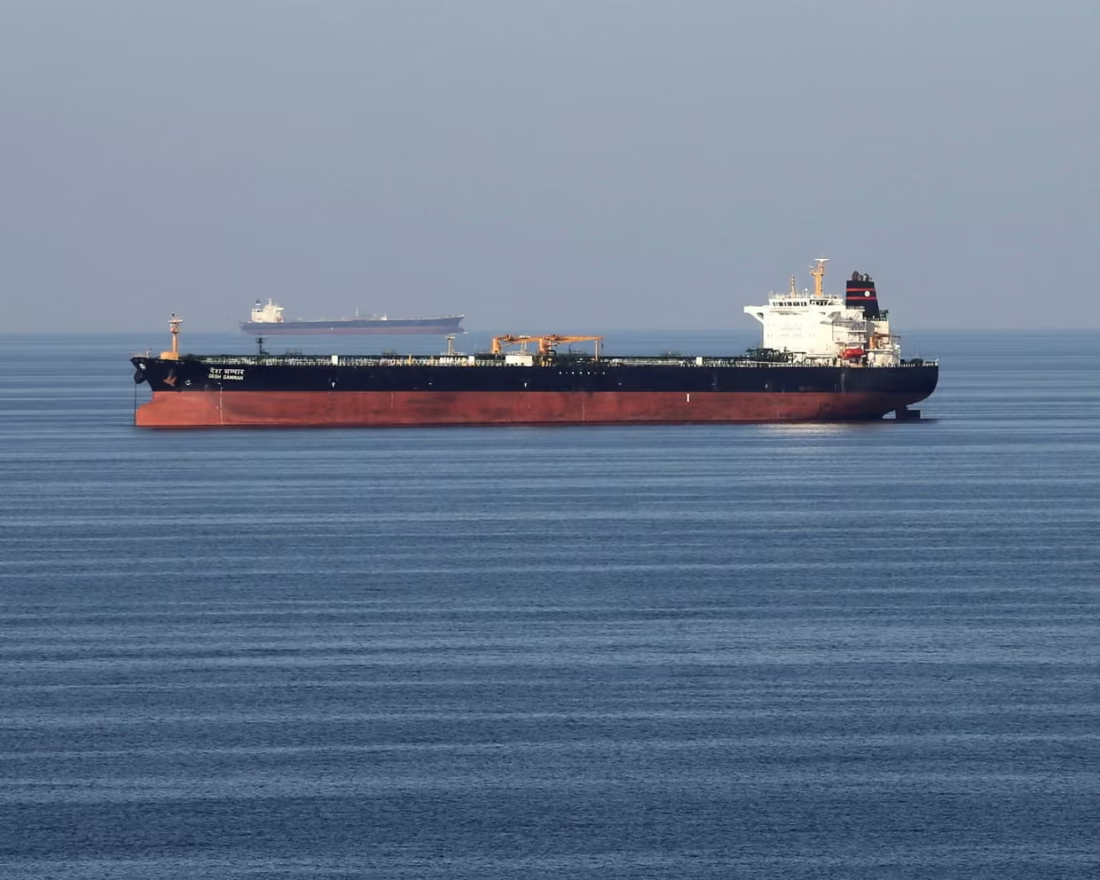
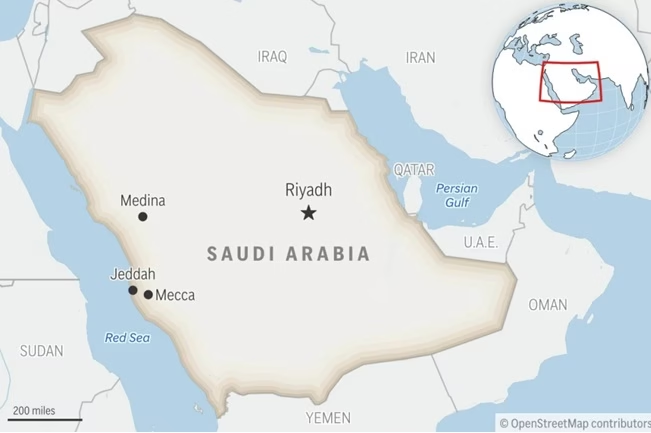
The world’s top oil exporter has been forced to shut more than 3 million barrels per day of oil production after an Iranian blockade on the Strait of Hormuz halted crude exports from Ras Tanura, which in turn has reduced output of gas released with oil production.
Gas output slipped to 10.5 billion cubic feet per day (bcfd) in the first quarter, from 10.7 bcfd in the fourth quarter of 2025, despite the start-up of the Jafurah gas field in December, Saudi Aramco (2222.SE), opens new tab said in its latest quarterly earnings report.
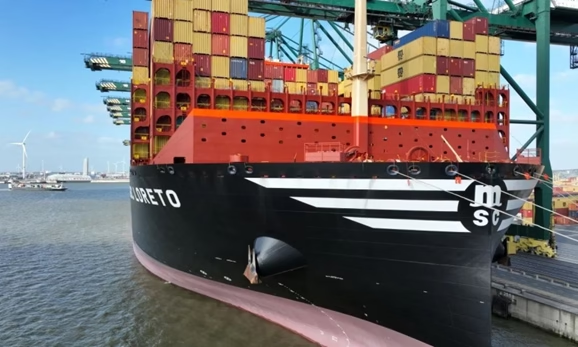
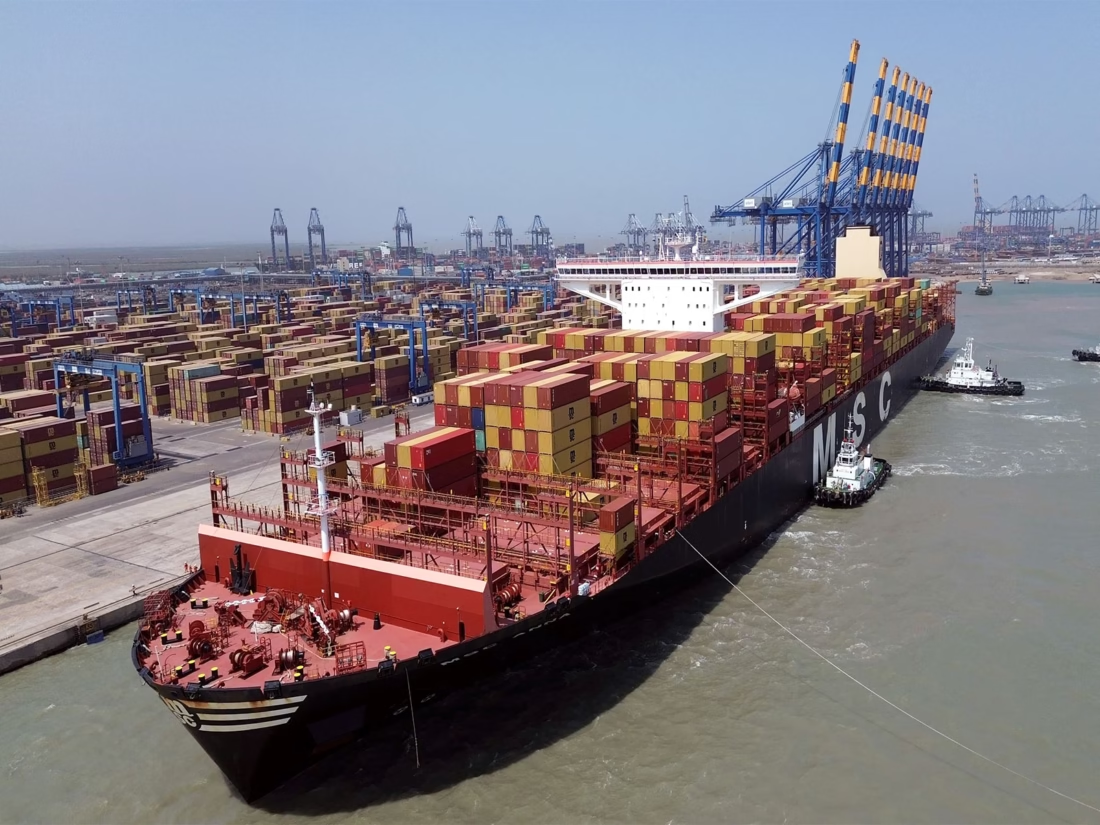
To replace gas at power plants, Aramco ramped up fuel oil imports to about 1.7 million tons (360,000 bpd) in April, up 86% on-year, Vortexa data showed, with most of these imports discharged at terminals linked to power and desalination plants including Jeddah South and Shuqaiq Steam.
“The sharp increase in fuel oil imports is a leading indicator that oil burn will rise above year-ago levels,” Rahul Choudhary, vice president, oil & gas research at consultancy Rystad Energy, said.
The kingdom’s power demand typically rises from April and peaks in August, boosting crude, high-sulphur fuel oil (HSFO) and gas use at power plants.
The burning of crude and fuel oil for power could breach 1 million barrels per day this summer, countering efforts to switch to more gas and renewables and undoing the 991,000 bpd low seen in 2025, Choudhary said.
Saudi Aramco declined to comment. The Saudi government communications office did not respond to a request for comment.
ARAMCO PRIORITISES CRUDE FOR EXPORTS
Saudi Aramco is expected to burn less crude for power this summer as it prioritises crude, mostly Arab Light, for export via the East-West pipeline to the Red Sea port of Yanbu and as HSFO is cheaper than Saudi crude, analysts said.
Last year, Saudi Arabia’s direct crude burn averaged 593,500 barrels per day (bpd) between June and September, data from the Joint Organisations Data Initiative (JODI) showed.
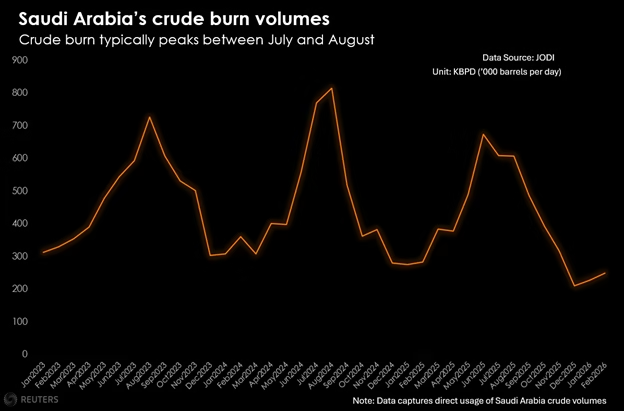
Crude burn typically peaks between July and August
Analysts’ views vary on how much crude Saudi Arabia will burn for power generation this summer.
Wood Mackenzie expects a 5,000 to 15,000 bpd drop in crude burn from an average of 629,000 bpd in June to August 2025.
“Every barrel of Arab Light crude burned domestically represents a significant loss in windfall export revenue,” said Jayadev D, oil research analyst at WoodMac.
Rystad Energy expects crude consumption for power to average about 540,000 to 550,000 bpd this summer.
“However, if the Hormuz disruption deepens or extends well into Q3, Aramco may pivot from substitution to direct crude burn as a contingency,” Choudhary said.
Koen Wessels, head of demand at Energy Aspects, expects Saudi Arabia to burn more crude this summer than in 2025 as it is constrained by how much crude supply it can divert to Red Sea ports.
Energy Aspects expects Hormuz transits to remain disrupted through the end of May, with a 50% recovery on pre-war tonnage in June, 60% in July and 70% in August, Wessels said.
Thomson Reuters