
 English






















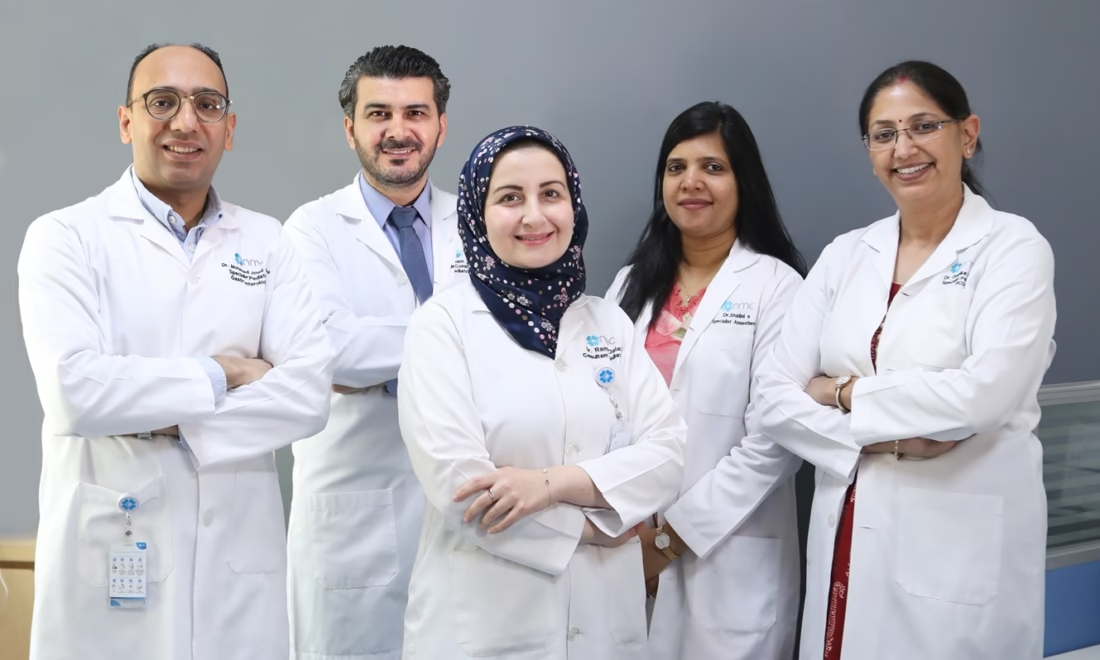































































































































































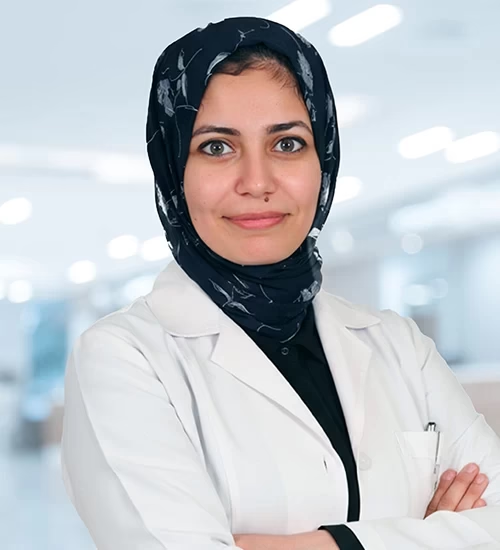


































































































































































































































































































































































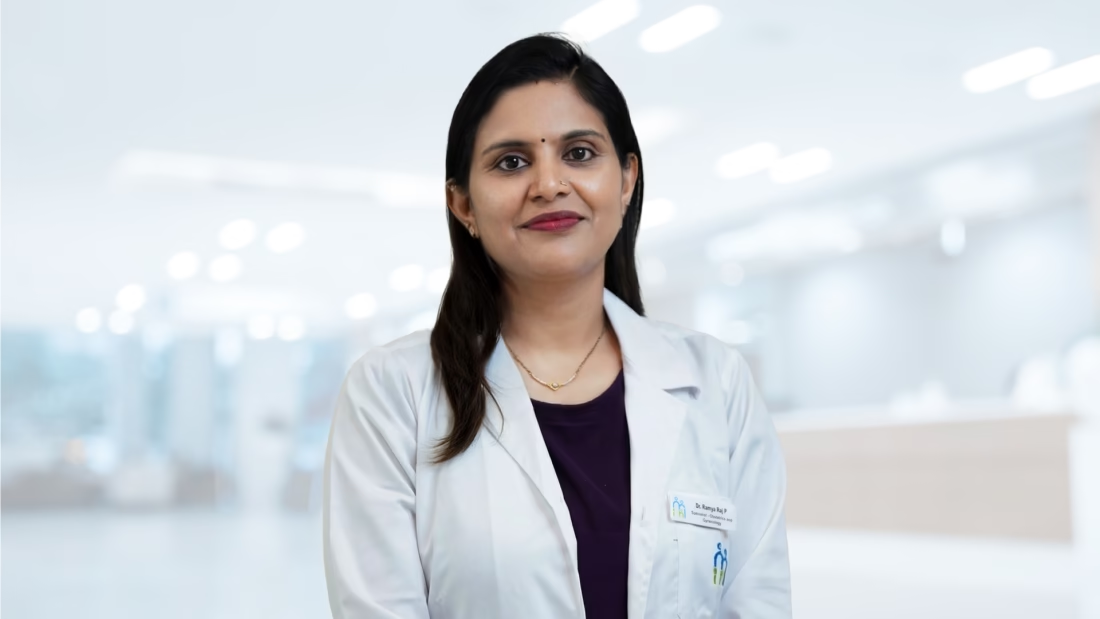














































































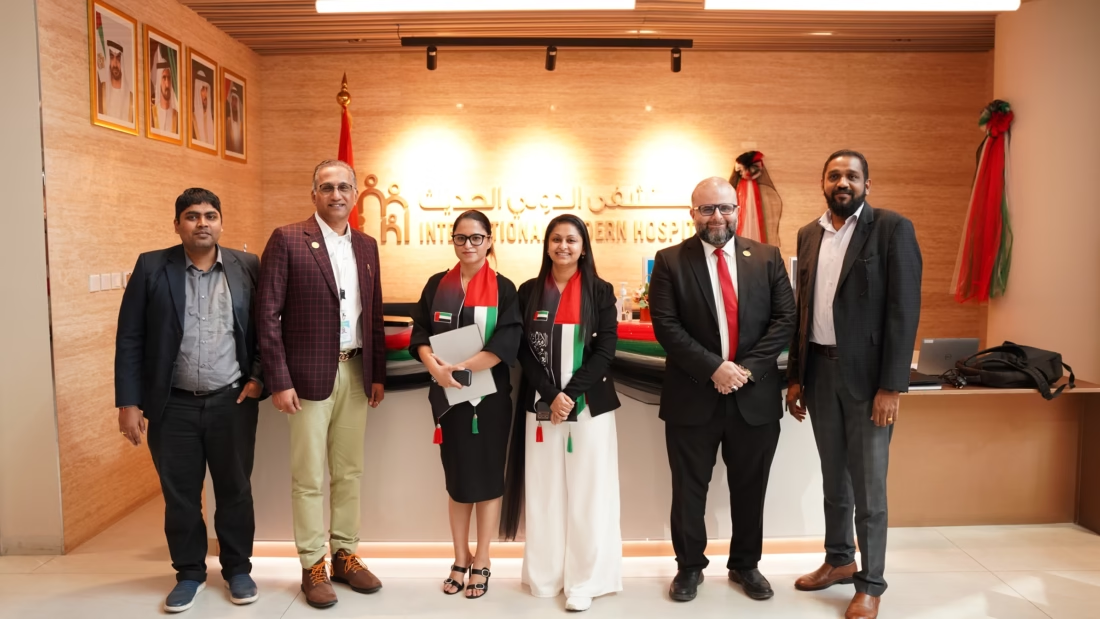









































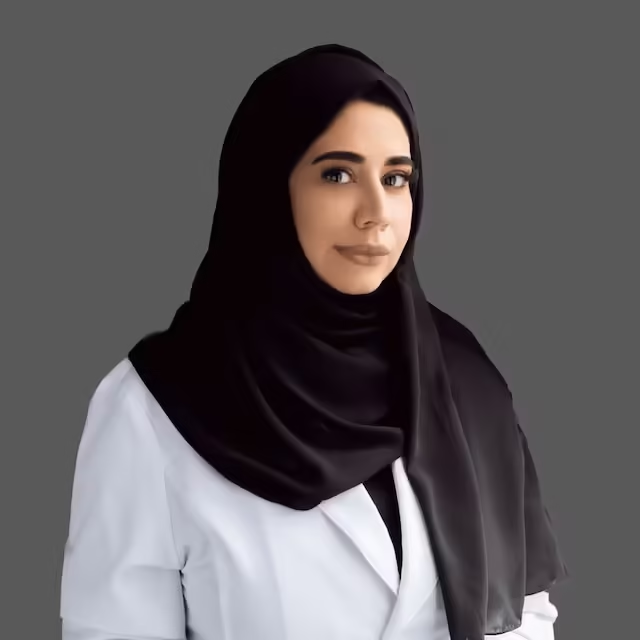
































































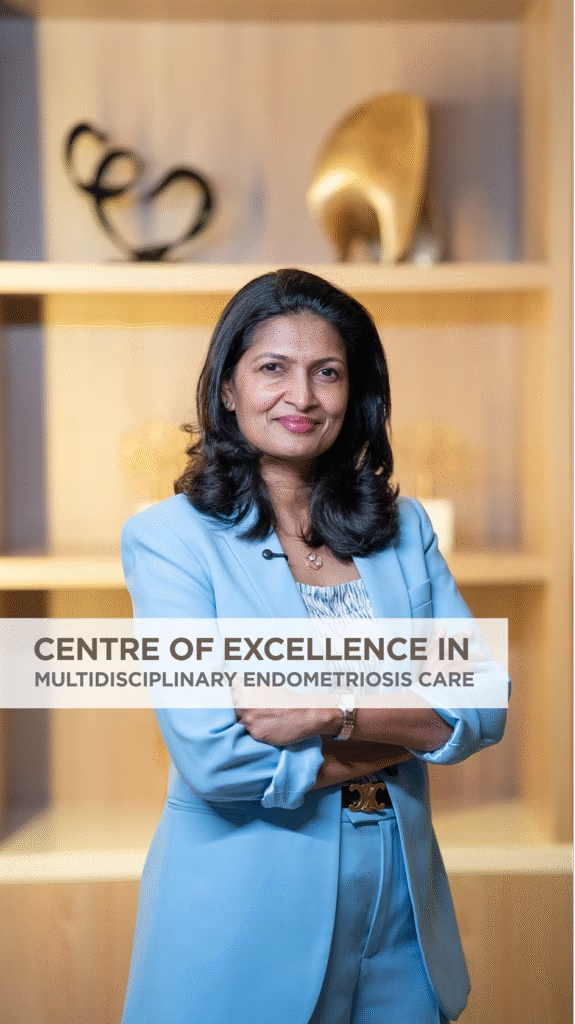





















Breastfeeding: The First Gift That Lasts a Lifetime By Dr. Mamata Bothra Specislist Pediatrician & Pediatric Neurologist at International Modern Hospital Dubai


WORLD BREASTFEEDING WEEK (1st–7th August)
Breastfeeding: The First Gift That Lasts a Lifetime By Dr. Mamata Bothra Specislist Pediatrician & Pediatric Neurologist at International Modern Hospital Dubai
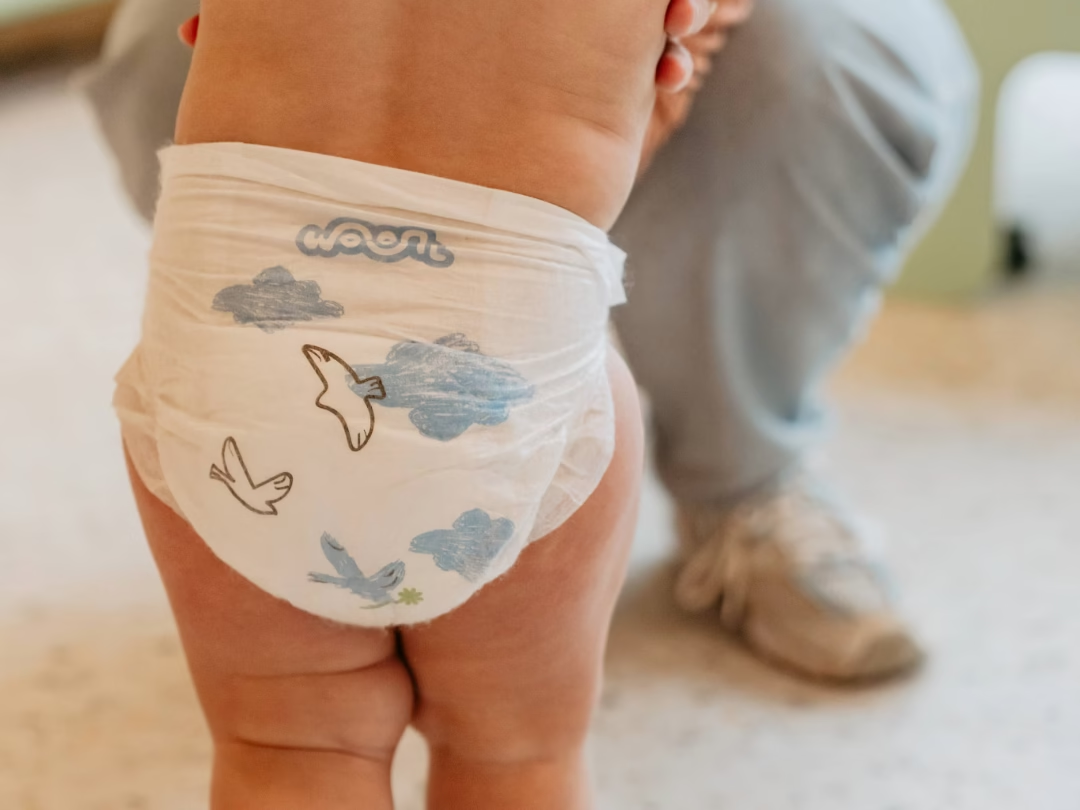
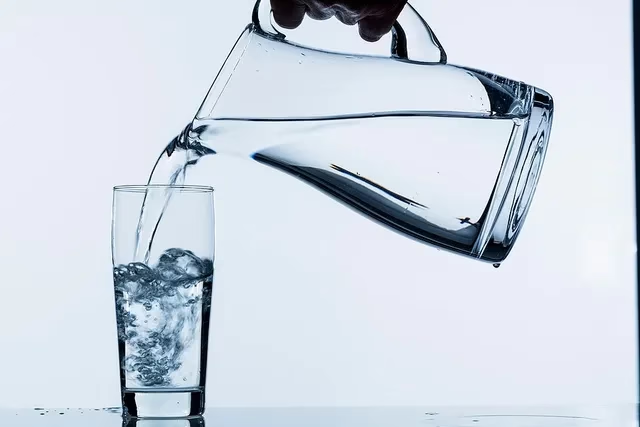
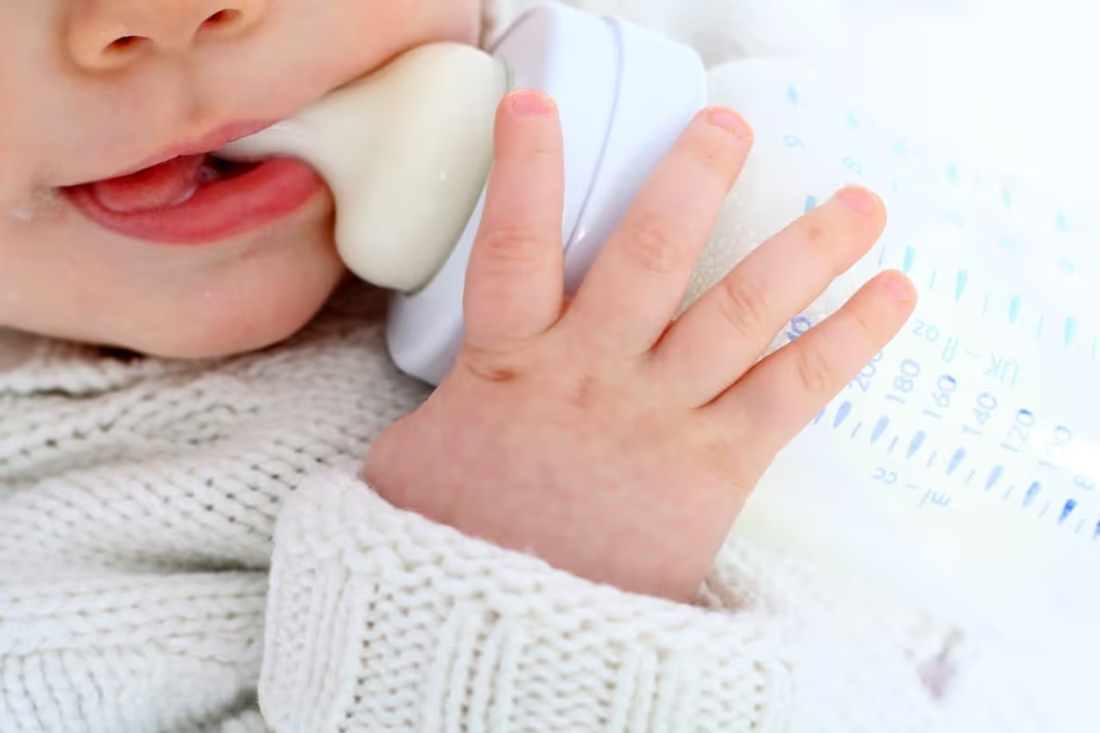
It’s 2 a.m. Your newborn has just fed… again. Grandma thinks the baby is still hungry. Google says one thing. Instagram says another. A well-meaning aunt suggests formula. Dad is trying to make tea while wondering if babies actually sleep. And you’re asking yourself… “Doctor… am I doing something wrong?” If this sounds familiar, welcome to parenthood! Every year, from 1st to 7th August, the world celebrates World Breastfeeding Week, a global campaign coordinated by the World Alliance for Breastfeeding Action (WABA) in partnership with the World Health Organization (WHO)and UNICEF. It is a reminder that while breastfeeding is the most natural way to nourish a baby, it is not always easy—and no mother should have to do it alone. This year’s World Breastfeeding Week theme is “Breastfeeding for a Sustainable Start in Life: Strengthen What Works”. announced by WABA reinforcing the global commitment to protect, promote and support breastfeeding through families, healthcare systems, workplaces and communities. The WHO recommends exclusive breastfeeding for the first six months of life, followed by appropriate complementary foods while continuing breastfeeding up to two years of age or beyond, as long as mother and child wish. Here in the UAE, where families come from every corner of the world, I meet new parents every day who bring different traditions, beliefs and advice from home. Yet despite our diverse cultures, the questions are surprisingly similar—and so are the worries. The Golden Hour… One Hour That Can Change a Lifetime One of the most beautiful moments in medicine happens quietly. A newborn is placed on the mother’s chest immediately after birth. The baby slowly lifts the head, searches, and instinctively finds the breast. No instructions. No YouTube videos. No parenting apps. Just nature doing what it has perfected over millions of years. This precious first hour, known as the Golden Hour, helps regulate the baby’s temperature, breathing and blood sugar while strengthening the bond between mother and baby. It also encourages successful breastfeeding and improves long-term health outcomes. Then come those precious first drops of milk—colostrum. Often called Nature’s First Vaccine, colostrum is rich in antibodies, immune cells and growth factors that protect babies from infections and help build a healthy immune system from the very first day of life. More Than Food… Breastfeeding is Love in Its Purest Form Breastfeeding isn’t simply about filling a tiny stomach. It comforts a frightened baby. Calms pain after a vaccination. Provides warmth during illness. Strengthens emotional security. And quietly builds the baby’s brain and immune system with every single feed. Research continues to show that breastfed babies have lower rates of diarrhea, pneumonia, ear infections, allergies, obesity, diabetes and several chronic diseases later in life. Breastfeeding has also been linked with improved cognitive development and emotional wellbeing. The benefits don’t stop with babies. For mothers, breastfeeding helps the uterus recover after delivery, reduces postpartum bleeding, supports recovery, and lowers the long-term risk of breast cancer, ovarian cancer, type 2 diabetes and heart disease. Simply put… Breastfeeding is one of the few interventions that improves the health of two people at the same time. Confessions from a Pediatrician’s Clinic… After years of caring for newborns, I’ve noticed something rather amusing. The babies are usually quite relaxed. It’s the parents who look like they’ve just sat for an exam they never prepared for! Every clinic day begins with questions like… “Doctor, my baby wants milk every hour.” “Doctor, my milk looks watery.” “Doctor, my breasts suddenly feel soft… has my milk dried up?” “Doctor, it’s so hot in Dubai. Should I give water?” “Doctor… everyone at home has a different opinion!” My answer usually starts with a smile. “Congratulations! Your baby is behaving exactly like… a baby.” Let’s Clear Up Some Common Confusion Newborns have tiny stomachs,Breast milk is digested quickly, so feeding every one to three hours is completely normal. Frequent feeding does not mean your milk is inadequate; it is simply how babies stimulate the body to produce more milk. One of the conversations I have almost every day with new mothers begins with the same worry: “Doctor, I don’t think I have enough milk.” I gently reassure them, “No mother starts with bottles full of milk on the first day.” Nature doesn’t work that way. In the first few days after birth, your body produces small amounts of colostrum—those precious golden drops often called nature’s first vaccine. Although the quantity seems tiny, it is exactly what your newborn needs because a baby’s stomach is small initially. As your baby suckles more frequently, your body receives the signal to produce more milk. It’s a beautiful demand-and-supply system—the more effectively the baby feeds, the more milk is produced. Over the next few days, your milk gradually increases to meet your baby’s growing needs. One of the most fascinating aspects of breastfeeding is that breast milk is uniquely designed for your own baby. It changes not only from one month to another, but from one feed to the next, and even during the course of the day. It provides the perfect balance of water, nutrients, healthy fats, proteins, antibodies, hormones and immune factors that your baby needs at that particular stage of growth. Nature truly has no better nutritionist than a mother’s own body. Living in the UAE, another concern I hear almost daily is whether babies need water during our intense summer heat. The answer is reassuring. Healthy babies who are exclusively breastfed do not need additional water during the first six months of life—even during the UAE summer. Breast milk is nearly 88% water and provides all the hydration a healthy infant requires. Many mothers also worry when their breasts begin to feel softer after a few weeks. That is actually good news. It usually means your body has become more efficient at making milk—not that the milk has disappeared. And then there are grandparents… Bless them! Their advice comes from love. Sometimes… not from science. “Your milk looks thin.” “The baby cried once—give formula.” “The baby isn’t sleeping for four hours.” Fortunately, babies don’t judge milk by its appearance. Breast milk naturally changes throughout a feed. The early milk ( foremilk)satisfies thirst, while the richer hindmilk provides energy and healthy fats. Nature got it right long before social media arrived. Seven Practical Tips Every New Parent Should Know 1. Watch your baby—not the clock. Feed when your baby shows hunger cues such as rooting, sucking on hands or lip smacking.Check for activity, cry and hydration. 2. Count wet diapers—not opinions. Six or more urine wet diapers each day after first few days usually indicate good feeding. 3. Every baby is different. Please don’t compare your baby’s feeding with your neighbour’s baby. 4. Ask for help early. A painful latch can usually be corrected quickly if addressed early. 5. Stay hydrated and nourished. A healthy mother is better equipped to care for a healthy baby. 6. Rest whenever you can. Laundry will wait. Babies won’t. 7. Trust yourself. Mothers often know their babies better than they realise. Dear Fathers… This Part Is Especially for You You may not be able to breastfeed. But you can become the greatest breastfeeding supporter in the house. Bring her water. Prepare a meal. Change nappies. Rock the baby after feeds. Protect her rest. Tell her she’s doing an incredible job. Sometimes the best breastfeeding support doesn’t come from milk. It comes from love. When Should You Call Your Pediatrician? Seek medical advice if your baby is unusually sleepy, refusing feeds, passing fewer than six wet diapers after the first week, developing fever, persistent jaundice or poor weight gain. Mothers should also seek help if breastfeeding is persistently painful, if there is breast redness, fever or concerns regarding milk supply. Remember… Most breastfeeding challenges are temporary. Most can be solved. And most mothers simply need reassurance rather than replacement feeding. A Message to Every Mother Dear Mum, If you’ve ever cried because breastfeeding felt difficult… If you’ve doubted yourself… If you’ve searched Google at 3 a.m.… If you’ve wondered whether you’re enough… Please know this. You are learning. So is your baby. Give yourselves grace. Because breastfeeding isn’t about perfection. It’s about patience, practice and love. As pediatricians, we prescribe antibiotics, inhalers and medicines every day. But perhaps the most powerful prescription we can ever write for a new mother is confidence. To simply look at her and say… “You’re doing better than you think.” This World Breastfeeding Week, let us replace myths with science, criticism with encouragement, and pressure with compassion. Because breastfeeding is not merely the baby’s first meal. It is the first vaccine. The first cuddle. The first comfort. The first promise of lifelong health. “When we support breastfeeding, we don’t just nourish one baby—we build a healthier generation, one family at a time.” Happy World Breastfeeding Week! “A mother’s confidence is often the best medicine a newborn can receive. Support her, encourage her, and together we give every child the healthiest possible beginning.” — Dr. Mamata Bothra, Specialist Pediatrician & Neonatologist