
 English



























































































































































































































































































































































































































































































































































































































































































































































































































































































































































































What early symptoms of Nipah should people be aware of


and how are they different from common viral fever?
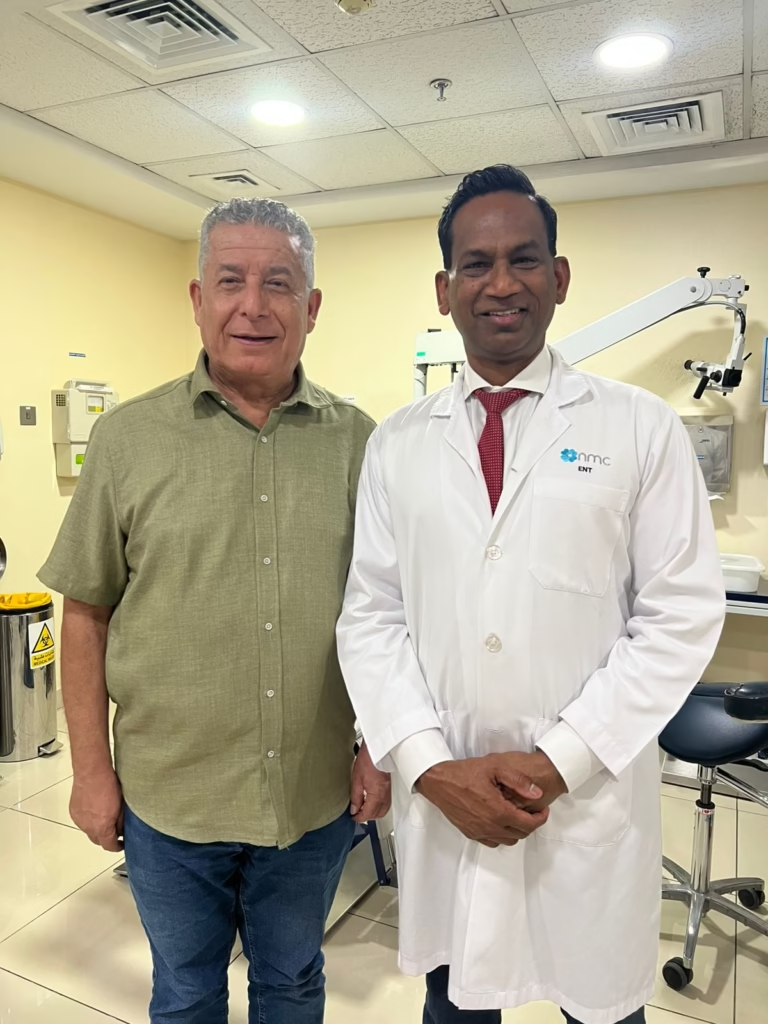
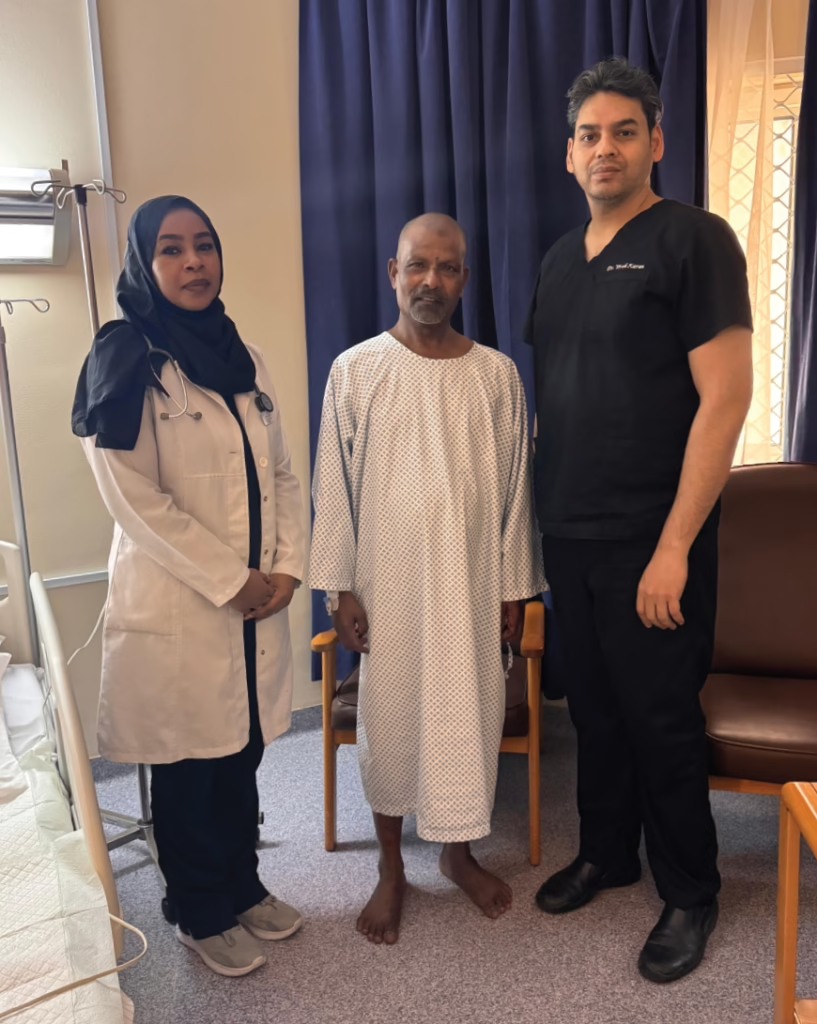
Dr. Deepak Dube – Specialist Internal Medicine
international modern hospital Dubai
Early symptoms of Nipah virus infection often resemble a routine viral illness, which is why early cases can be difficult to recognise. These include fever, headache, muscle aches, fatigue, sore throat, and sometimes vomiting.
What distinguishes Nipah is how quickly neurological symptoms can follow. Within days, some patients may develop drowsiness, confusion, disorientation, altered consciousness, or seizures. This rapid progression toward brain involvement (encephalitis) is not typical of common viral fevers like flu or dengue and is a key warning sign.
At what point should someone seek medical help?
Medical attention should be sought immediately if fever is accompanied by:
Unusual drowsiness or confusion
Persistent vomiting
Severe headache
Seizures or fainting
Rapid worsening of symptoms over 24–48 hours
Anyone with fever who has had recent exposure to infected animals (such as bats or pigs), consumed raw date palm sap, or had close contact with a suspected case should not wait for symptoms to worsen before seeking care.
Why is the fatality rate of Nipah so high compared to many other viruses?
Nipah is particularly dangerous because it:
Directly attacks the brain, causing severe encephalitis
Can trigger overwhelming inflammation and respiratory failure
Progresses rapidly once severe symptoms appear
In addition, there is no targeted antiviral cure, and outcomes depend heavily on how early supportive care begins. Delayed diagnosis significantly worsens prognosis, contributing to its high fatality rate compared to more common viral infections.
Is there any specific treatment or vaccine available today?
As of now, there is no approved vaccine or specific antiviral treatment for Nipah virus for routine public use.
Treatment focuses on intensive supportive care, including:
Managing breathing and oxygen levels
Controlling brain swelling and seizures
Treating secondary infections
Several vaccines and treatments are under research, but prevention and early medical care remain the most effective tools.
How much does early diagnosis improve survival chances?
Early diagnosis can be life-saving. When patients receive prompt hospital care before severe neurological damage occurs, survival rates improve significantly.
Early recognition allows:
Faster isolation (preventing spread)
Earlier supportive treatment
Close monitoring for complications
Delays of even a day or two can dramatically change outcomes in severe cases.
Should people worry about Nipah right now?
For the general public, panic is not warranted. Nipah outbreaks are typically localized, linked to specific exposure routes, and do not spread easily like influenza or COVID-19.
However, awareness is important, especially in regions where the virus has been reported. Public health surveillance, rapid isolation, and contact tracing have been effective in limiting outbreaks when cases are identified early.
What is the single most important thing the public should know?
Nipah virus is rare but serious — and early medical attention saves lives.
Most people will never encounter it, but recognising warning signs, avoiding known exposure risks, and seeking care early can prevent severe outcomes and stop further spread. Awareness, not fear, is the most powerful protection.