
 English









































































































































































































































































































































































































































































































































































































































































































































































































































































































































































UAE waives experience rule for 6 healthcare roles

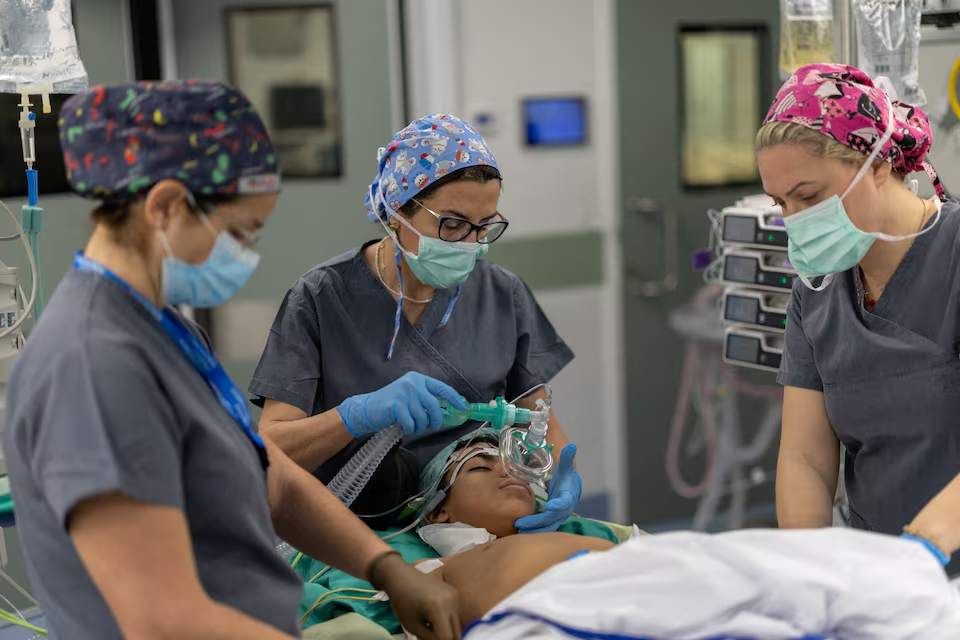
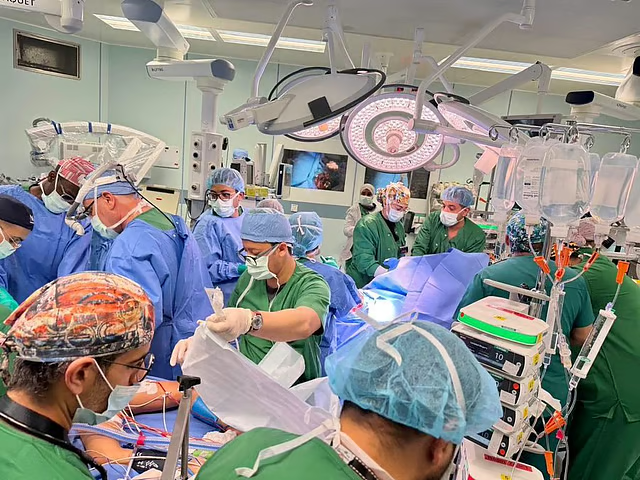
The Ministry of Human Resources and Emiratisation (MoHRE), has identified six categories within nursing and allied health professions that are exempt from the requirement of six months’ post-graduation experience to obtain a professional license. This initiative aims to enhance the efficiency of the healthcare licensing system and align it with labor market needs.
The Ministry clarified that the exempted categories include:
- Registered Nurse
- Assistant Nurse
- Medical Laboratory Technician
- Laboratory Technologist
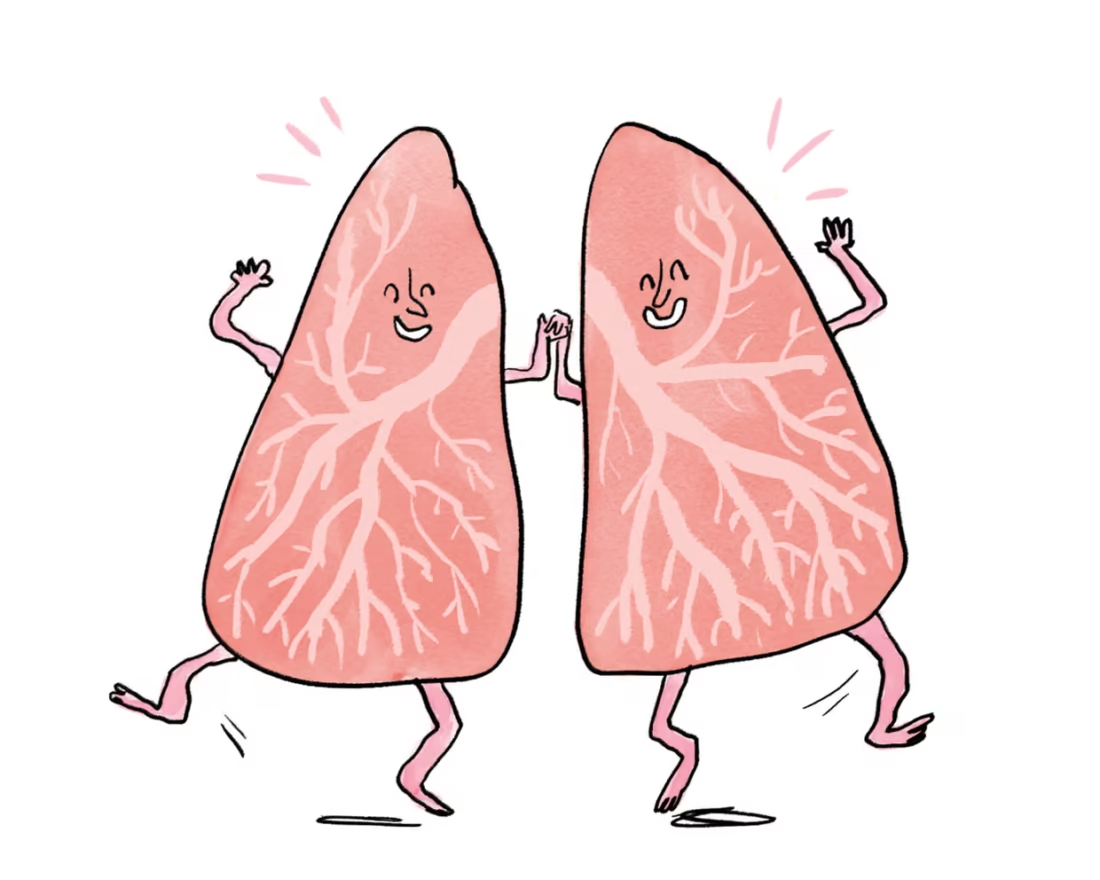
- Respiratory Care Technician
- Healthcare Assistant
The Ministry stated that the objective of this decision is to accelerate the integration of qualified professionals into the labor market while maintaining performance quality and professional standards.
Graduates inside and outside the UAE
The Ministry confirmed that the exemption applies to all graduates, whether from within the UAE or abroad. It also noted that other specializations within allied health professions are under review by healthcare authorities, with the possibility of granting exemptions on a case-by-case basis, provided that this does not compromise the quality of healthcare services or patient safety.
This decision aims to comprehensively enhance regulatory procedures and expedite the integration of nursing and allied health graduates into the workforce, maximizing the benefit of human capital while maintaining high standards of performance.
Healthcare licensing system
Updating exemption and licensing mechanisms forms part of a broader vision to develop the national healthcare licensing system and strengthen compliance with applicable legislation and regulatory frameworks. This supports workforce sustainability and facilitates faster workforce entry for graduates without compromising quality standards.
Standardizing procedures across the UAE enhances trust in the healthcare system, reinforces transparency and professional fairness, and establishes a more efficient regulatory environment capable of meeting current demands and anticipating future needs.
The Ministry emphasized that updating healthcare licensing policies reflects a high level of flexibility and integration among relevant government entities, as well as a commitment to continuously improving the legislative environment of the labor market. It also ensures that processes and governance frameworks are comprehensive and integrated, maximizing benefits for all stakeholders and meeting workforce needs in the healthcare sector.
Exceptional importance of the healthcare sector
The Ministry highlighted its readiness to support government entities in advancing their operations, in line with its central role in regulating the labor market. It noted that advanced digital infrastructure facilitates seamless electronic integration among entities, accelerates updates, and supports government efforts in service excellence and sustained national leadership.
It also emphasized the exceptional importance of the healthcare sector as a key pillar directly linked to quality of life, public health, and the efficient delivery of healthcare services.
Enabling academic staff to practice
In a related development, the Ministry, in cooperation with the Ministry of Health and Prevention and the Ministry of Higher Education and Scientific Research, announced the authorization of academic staff in universities and medical colleges—including physicians and other healthcare specialists—to practice within healthcare facilities.
This decision aims to strengthen the integration between education and practical application, reinforce governance, compliance, and unified licensing standards, and support the sustainability and readiness of the healthcare workforce to meet current and future challenges.
Professional licenses may be issued to academic staff upon meeting qualification, experience, and prior licensing requirements. Teaching hours may also be counted toward Continuing Professional Development (CPD) requirements in accordance with accredited medical education policies. This reflects a qualitative recognition of the academic role and promotes a culture of continuous learning within healthcare professions.
The decision represents an institutional approach that balances regulatory flexibility with adherence to governance standards. Enabling academic staff to practice professionally enriches the healthcare work environment with advanced expertise and contributes to improving system efficiency, while maintaining unified licensing requirements that ensure quality of care and patient safety. This ultimately supports the sustainability, flexibility, and effectiveness of the healthcare sector in achieving the objectives of the “We the UAE 2031” vision.
GN