 English
















































































































































































































































































































































































































































Starmer and Macron to host summit on reopening strait of Hormuz

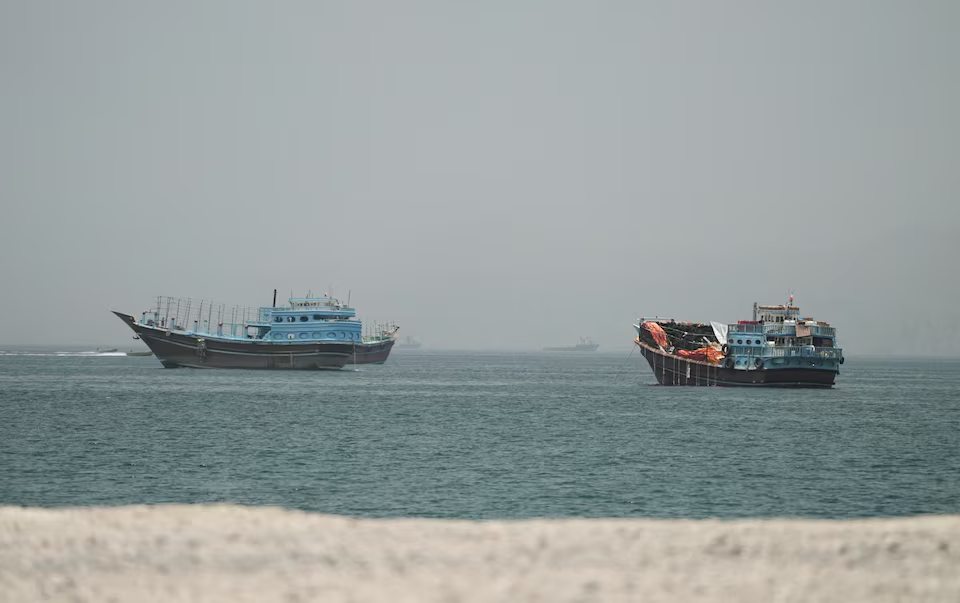
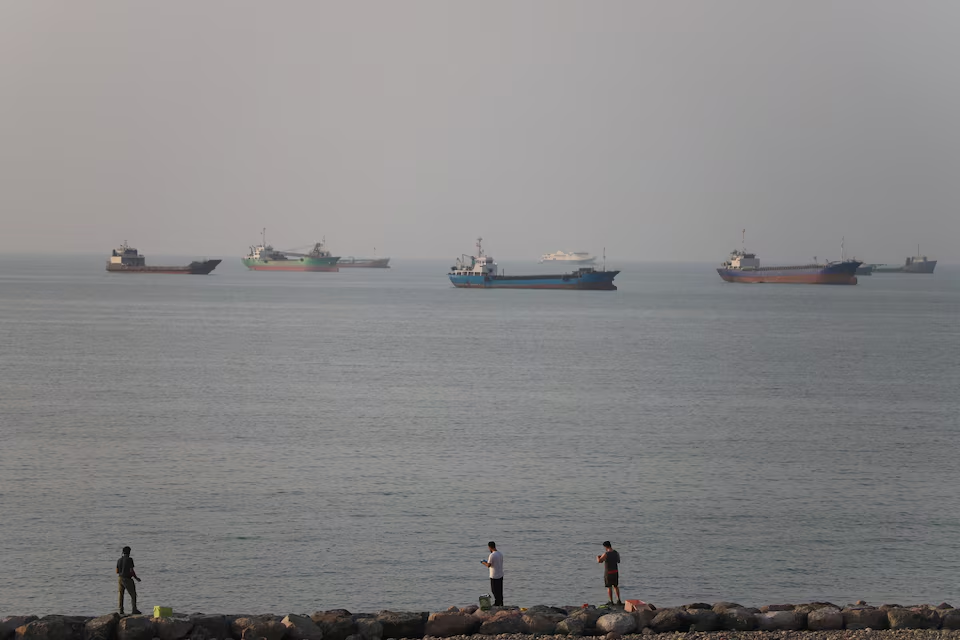
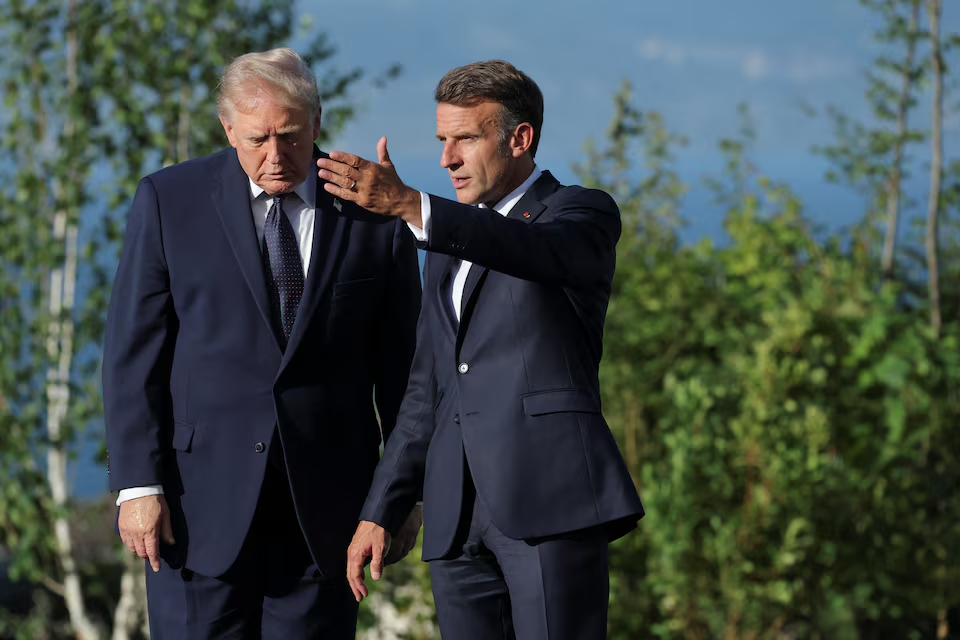
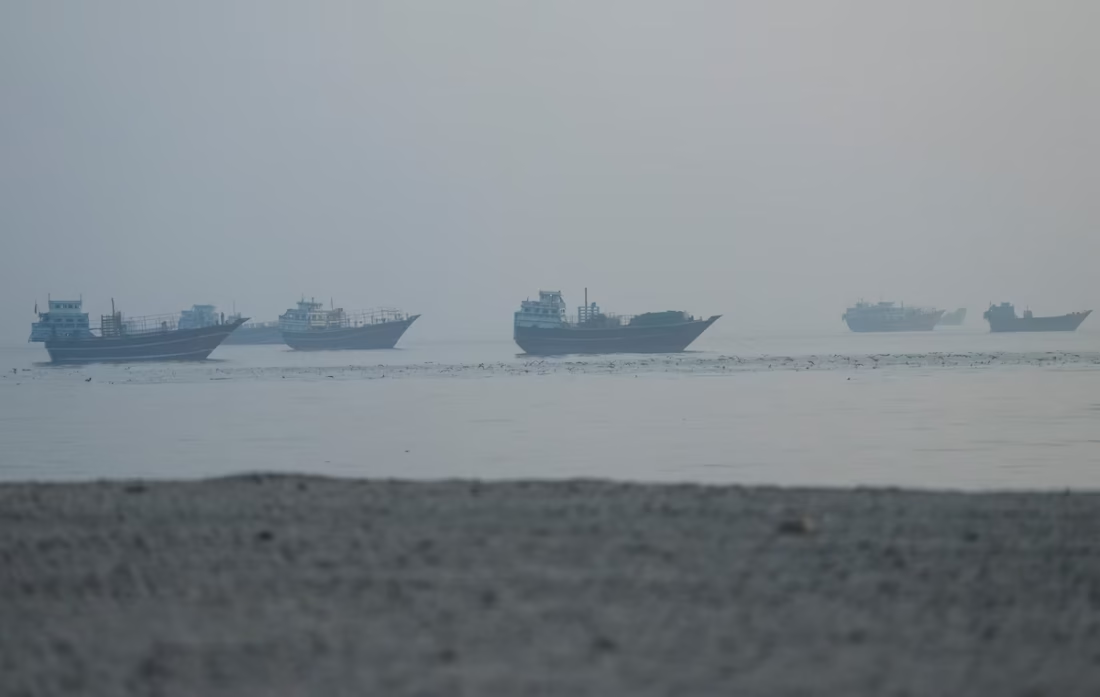
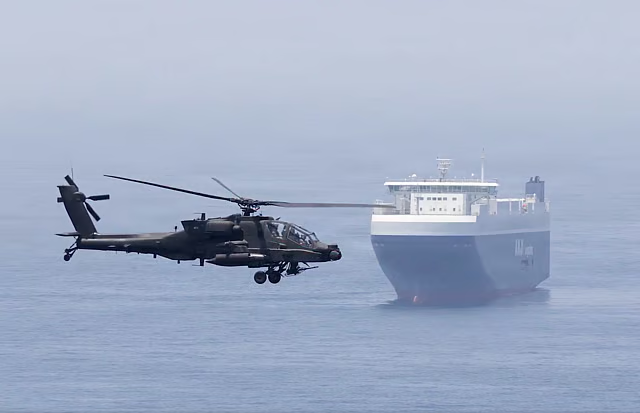
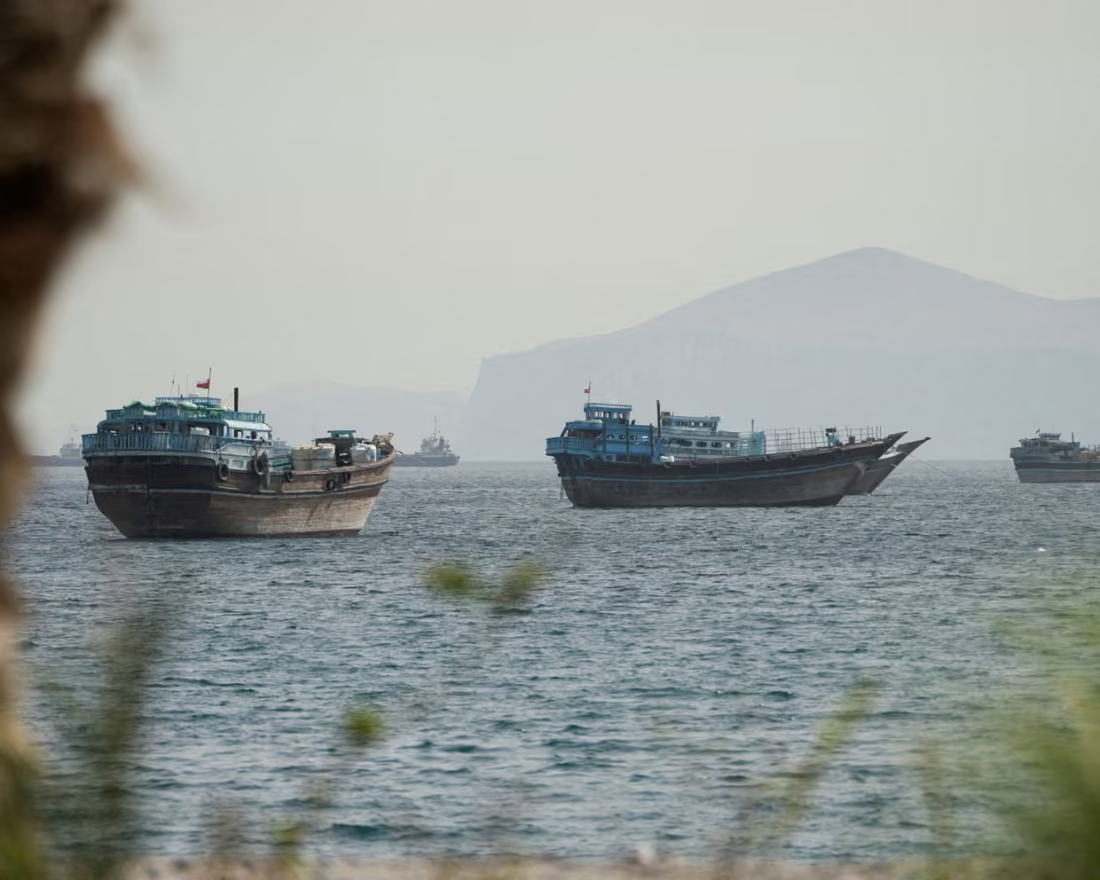
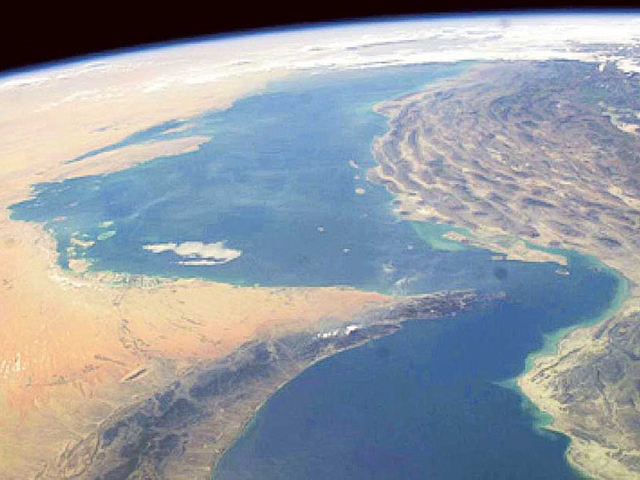
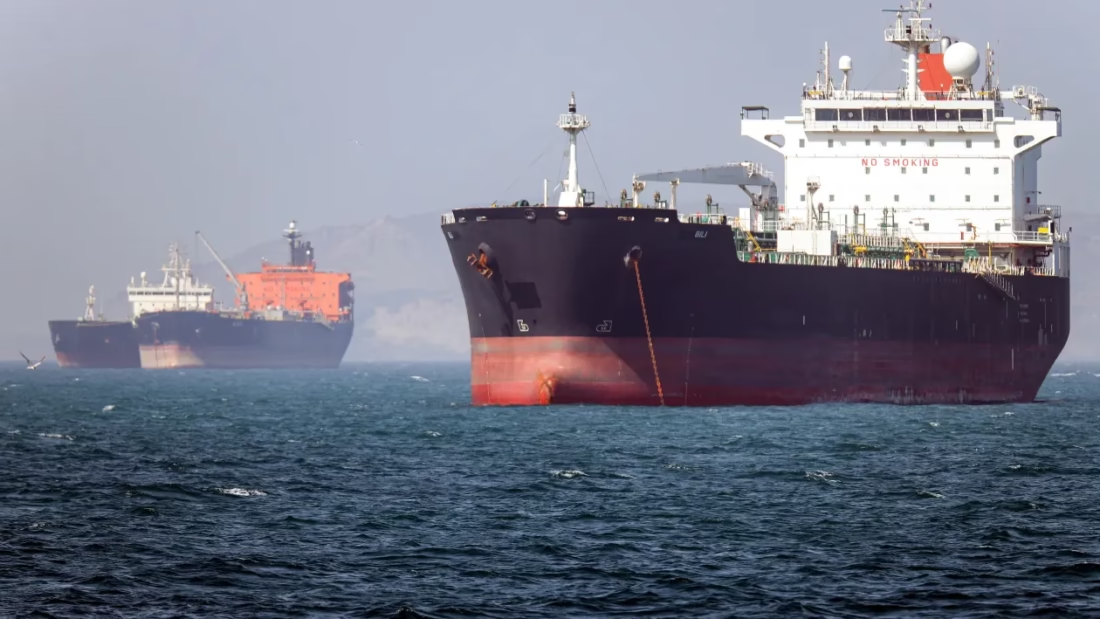
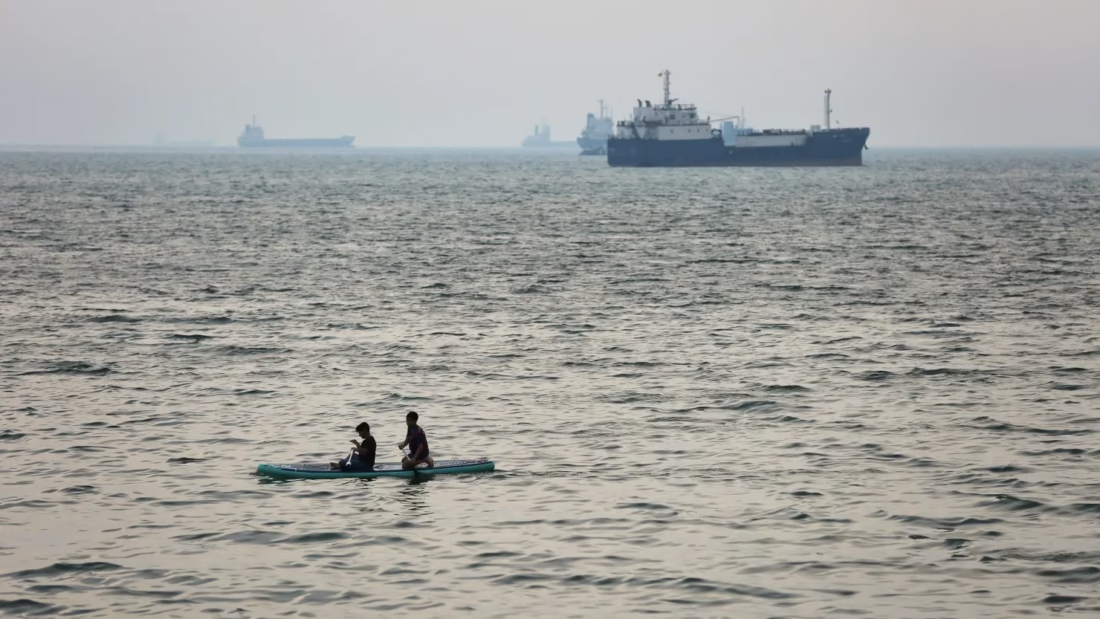
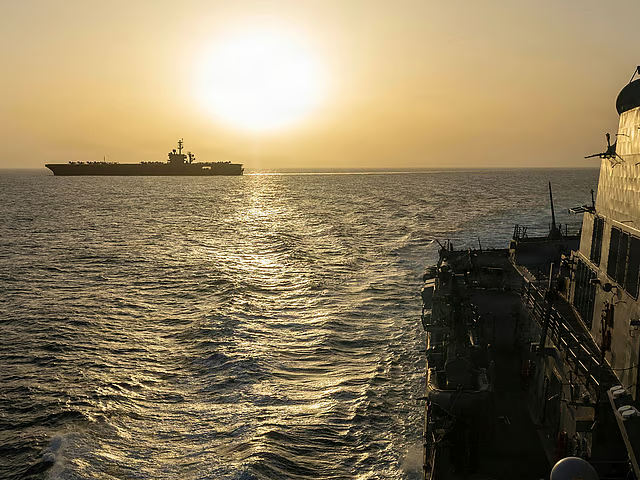
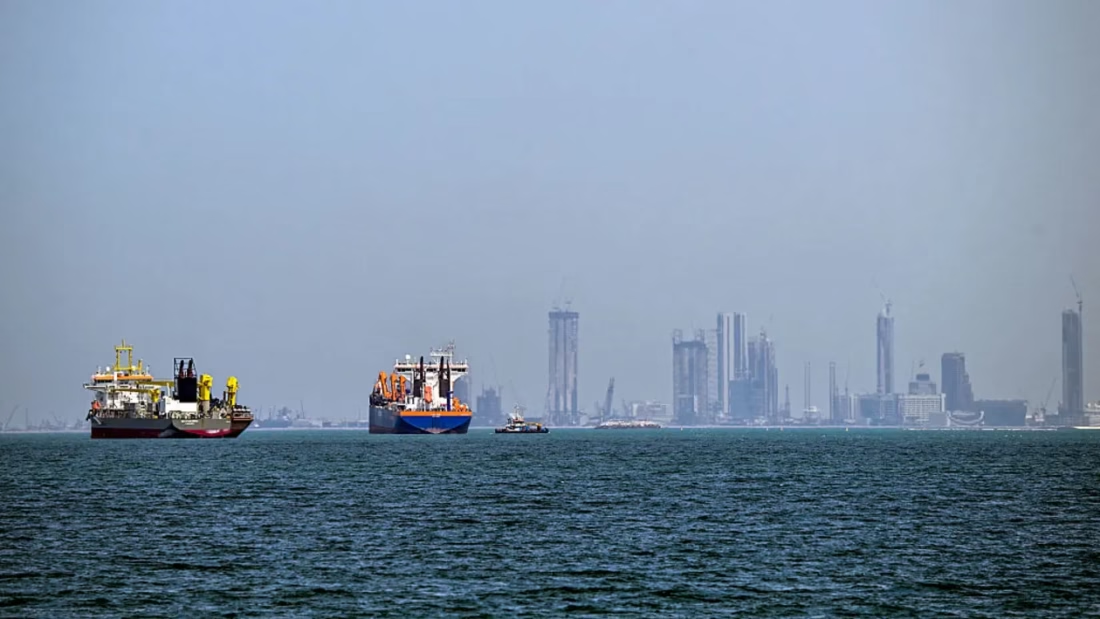
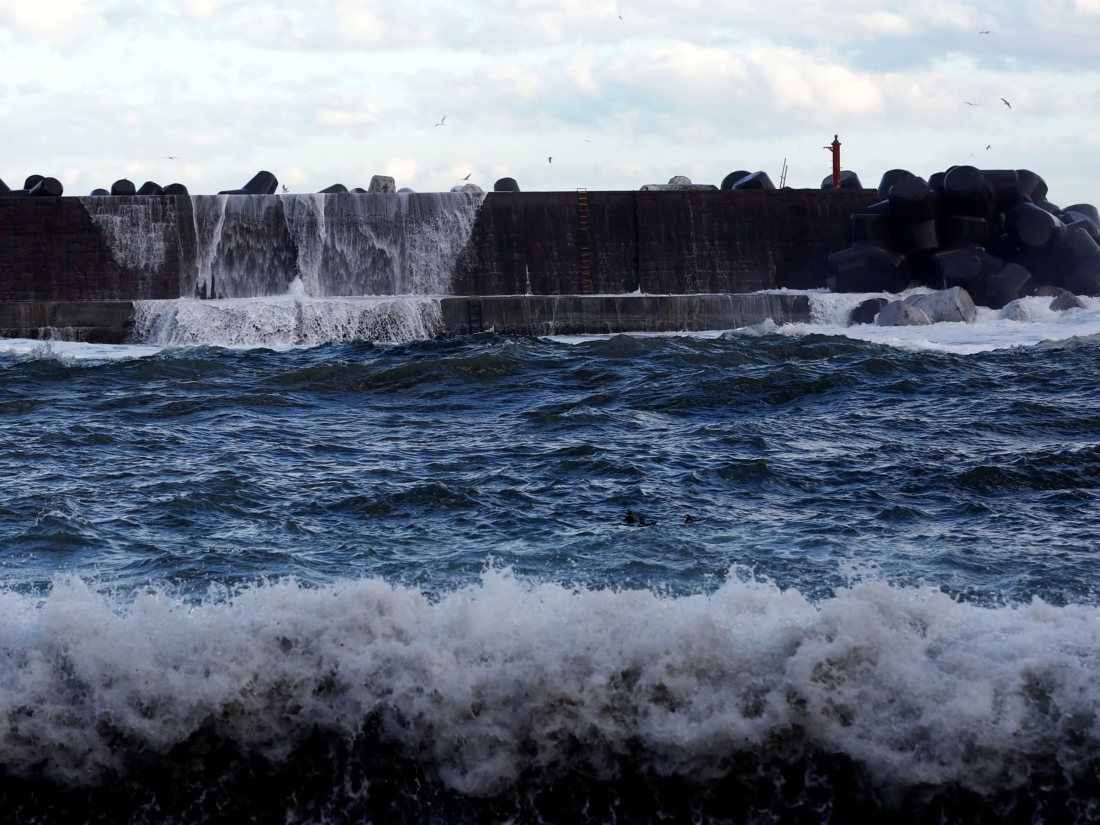
UK prime minister Keir Starmer and French president Emmanuel Macron will co-host a summit in Paris on Friday focused on efforts to reopen the strait of Hormuz, Downing Street said.
A spokesperson said: “The summit will advance work towards a coordinated, independent, multinational plan to safeguard international shipping once the conflict ends.”
Macron has previously said the countries participating in the initiative would work on a “strictly defensive mission, separate from the warring parties to the conflict” which “is intended to be deployed as soon as circumstances permit”.
The UK chancellor, Rachel Reeves has said she was “very frustrated and angry” over what she said was the United States’ failure to have a clear exit plan or objectives for the war in Iran, according to the Mirror newspaper.
“This is a war that we did not start. It was a war that we did not want. I feel very frustrated and angry that the US went into this war without a clear exit plan, without a clear idea of what they were trying to achieve,” the British finance minister told the newspaper.
“And as a result the strait of Hormuz is now blocked,” she added.
Marco Rubio to attend Lebanon-Israel talks in Washington
As the Iranian-linked militia Hezbollah urges Lebanon to pull out of talks with Israel later today, Reuters has some more details, including the news that US secretary of state, Marco Rubio, will attend.
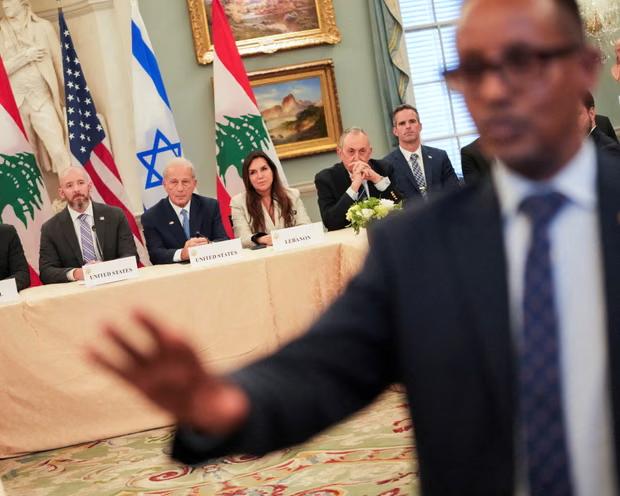
Talks will be held in Washington at 11am ET (3pm GMT, 4pm BST) between the Israeli ambassador to the US, Yechiel Leiter, and his Lebanese counterpart, Nada Hamadeh Moawad, officials say.
As well as Rubio, the US ambassador to Lebanon, Michel Issa, and the state department’s counsellor, Michael Needham, would attend, a department official said.
Lebanon, Israel and the US have issued conflicting statements on what the talks would cover.
Lebanon’s presidency has said the talks would focus on announcing a ceasefire and setting a start date for bilateral talks. A ceasefire was the only substantive issue Moawad is authorised to discuss, Lebanese Culture Minister Ghassan Salameh said on Sunday.
Israel would not discuss a ceasefire during the talks, which would focus on disarming Hezbollah and establishing peaceful relations between Israel and Lebanon, Israeli government spokesperson Shosh Bedrosian said on Monday.
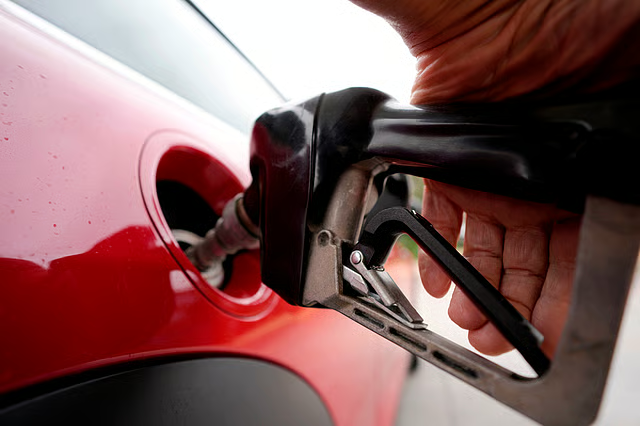
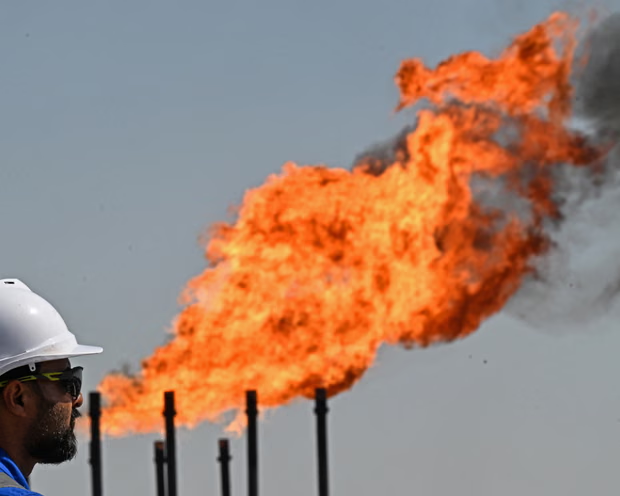
The International Energy Agency (IEA) said it expects the steepest quarterly decline in demand for crude oil since the Covid-19 pandemic slashed fuel consumption.
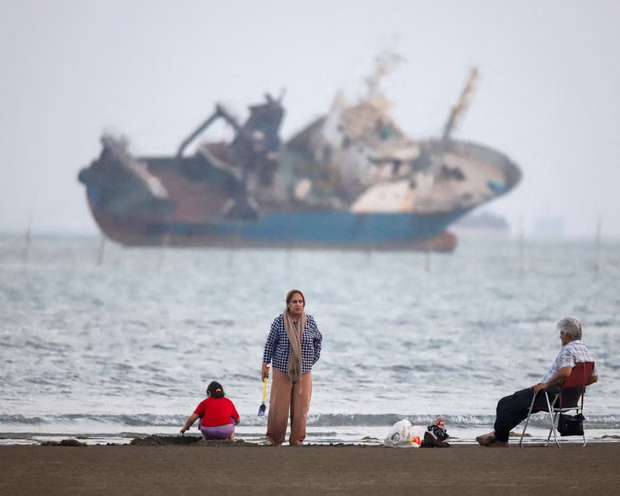
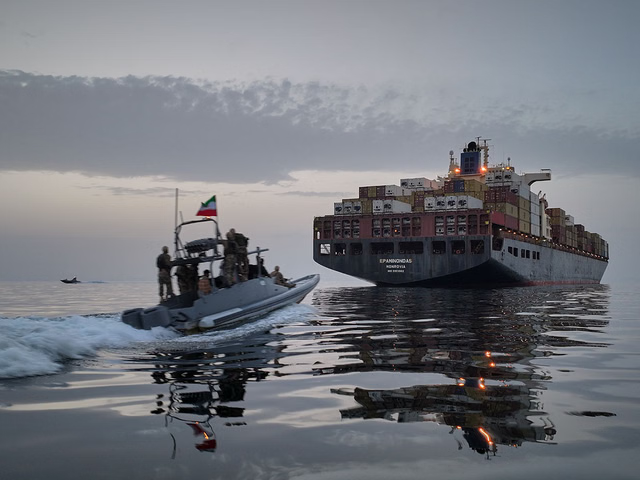
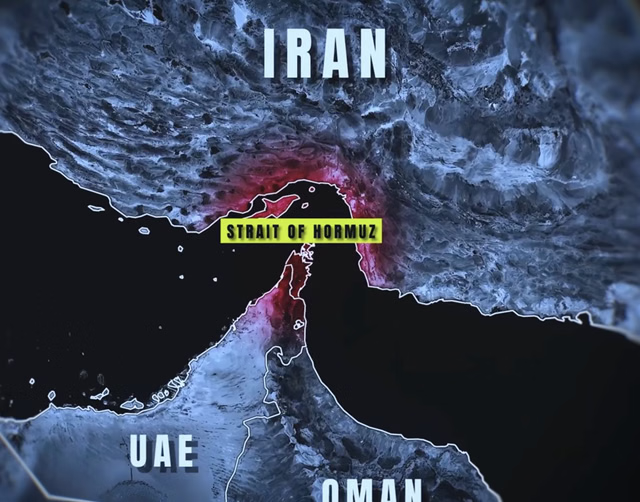
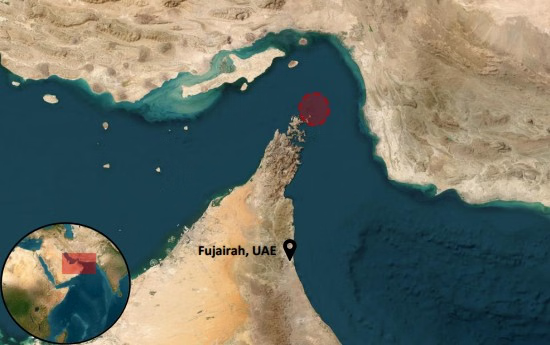
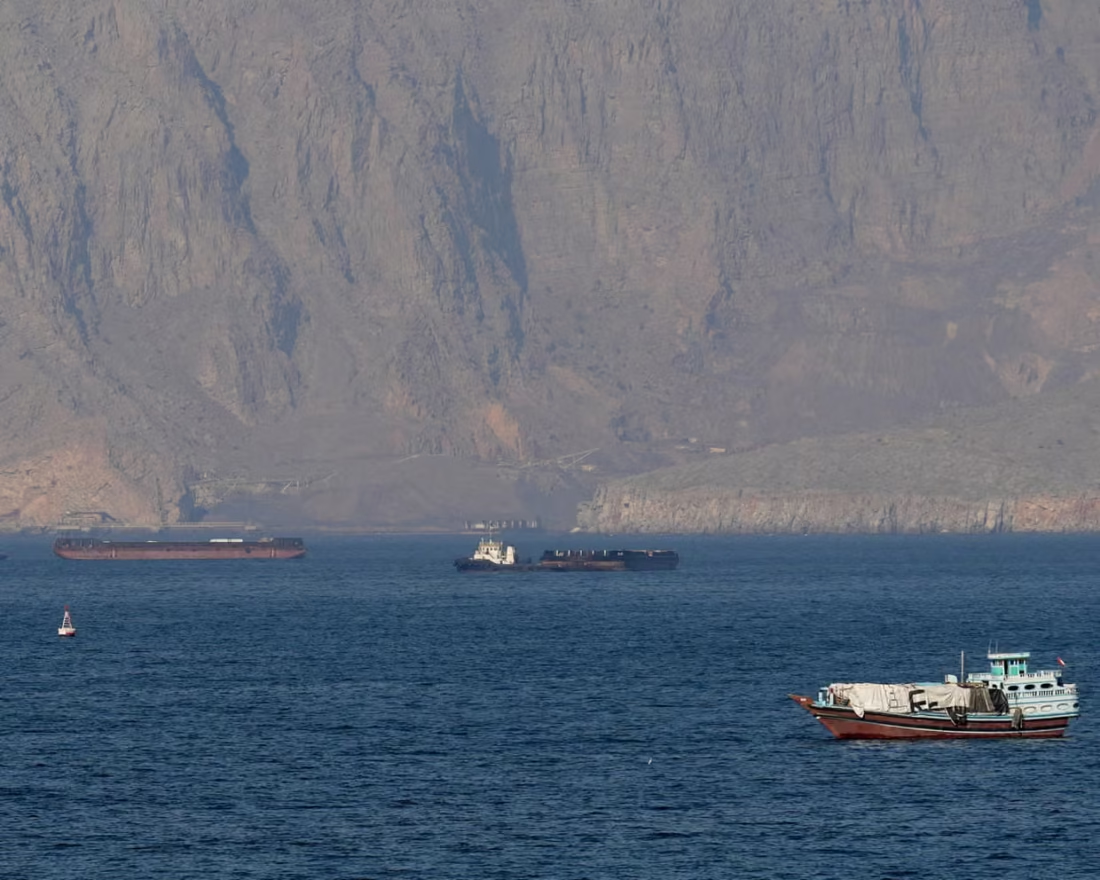
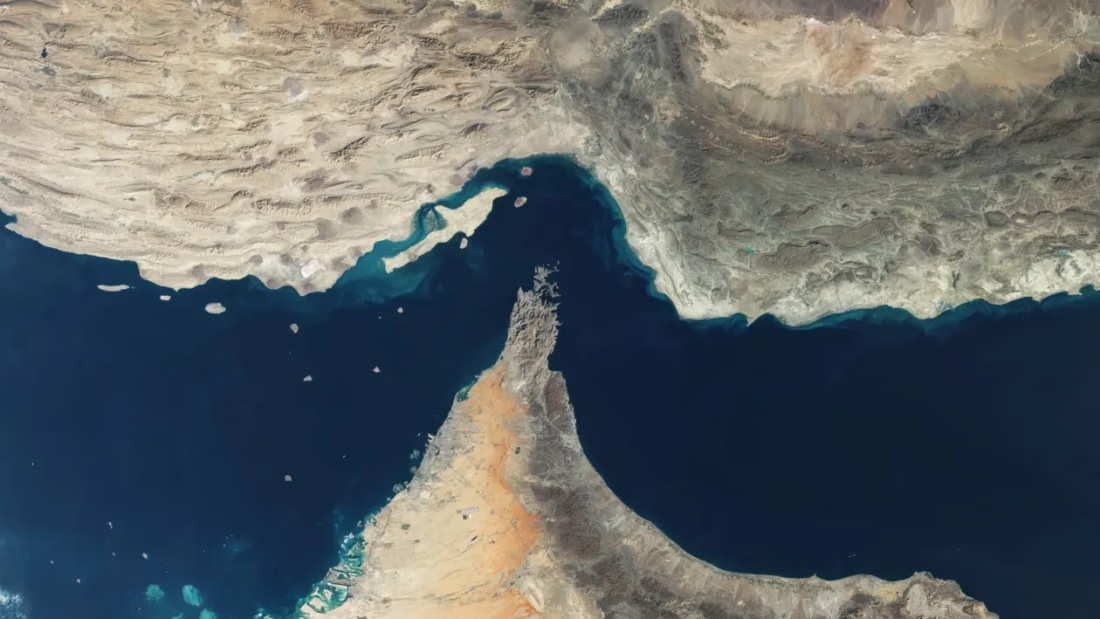
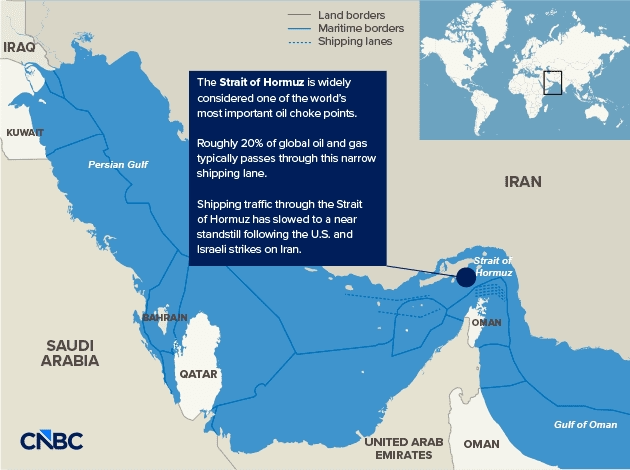
The IEA noted that its forecasts assume a “base case” of oil shipments resuming in May through the strait of Hormuz, which Iran has effectively closed since the start of the war on 28 February.
This would lead to a decline in demand of 1.5 million barrels per day (bpd) in the second quarter, “the sharpest since Covid-19 slashed fuel consumption”, the IEA said.
Overall demand is forecast to have contracted by 800,000 bpd in March and is seen dropping by 2.3 million bpd in April.
Further to its earlier news alert on the possible second round of US-Iran talks in Islamabad (see post at 08:06), Reuters is now citing an Iranian embassy in Pakistan as saying negotiations could take place this week or early next week.
“No firm date has been set, with the delegations keeping Friday through Sunday open,” a senior Iranian source said, according to the news agency.
Three Iran-linked tankers pass through strait of Hormuz – Reuters
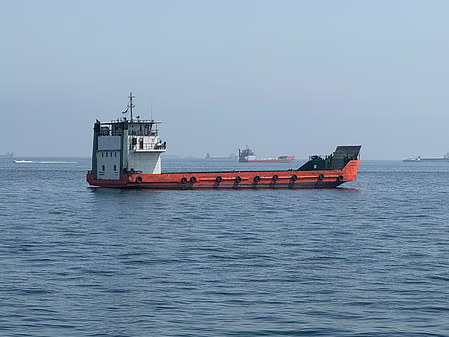
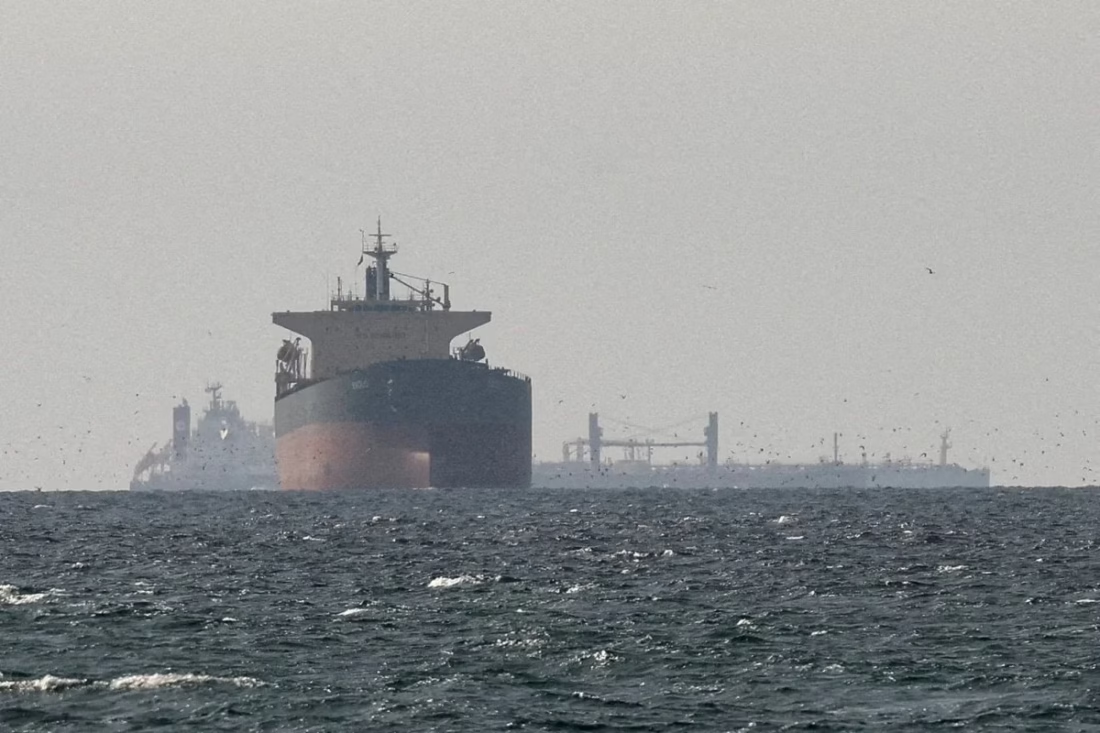
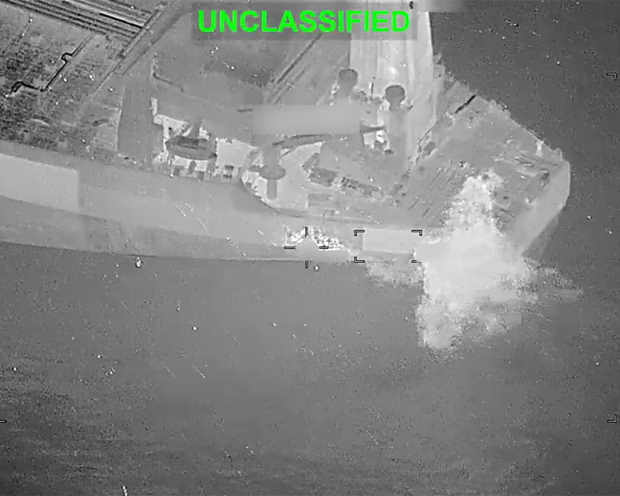
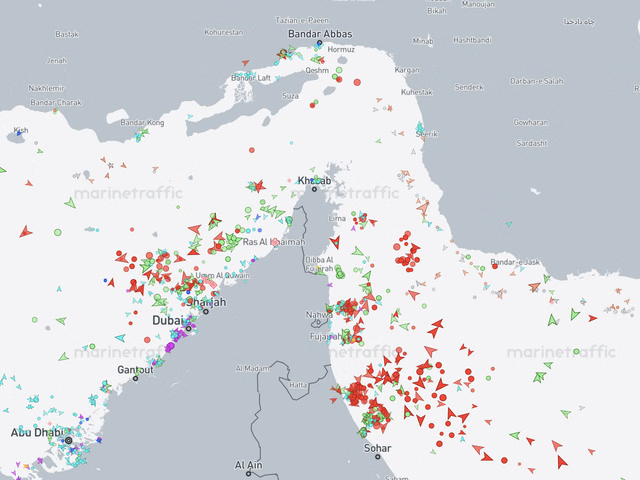
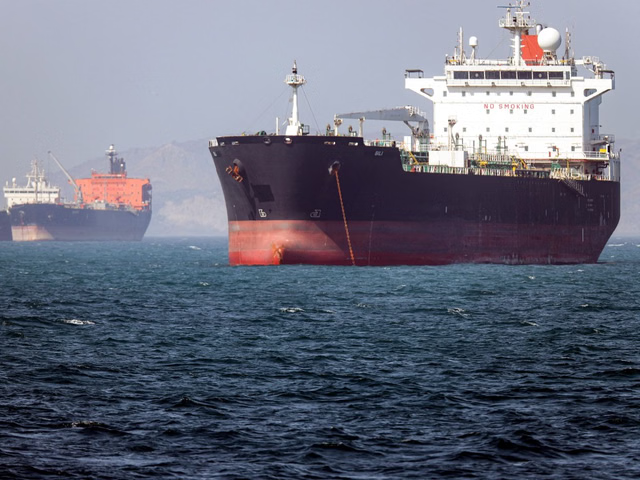
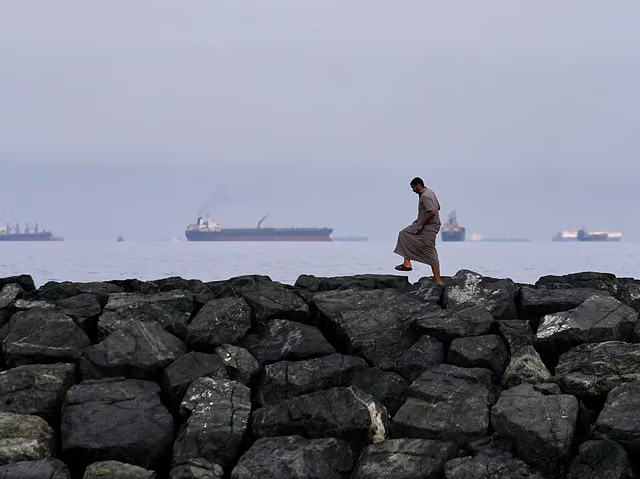
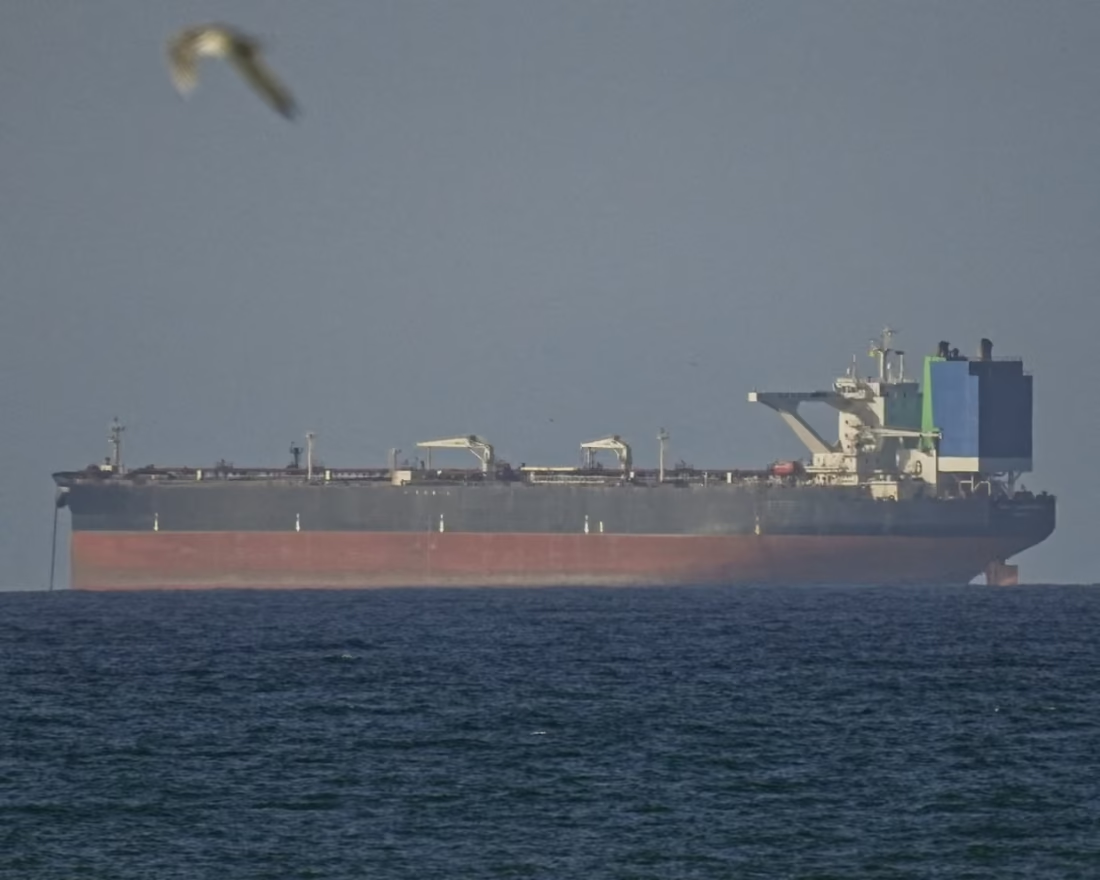
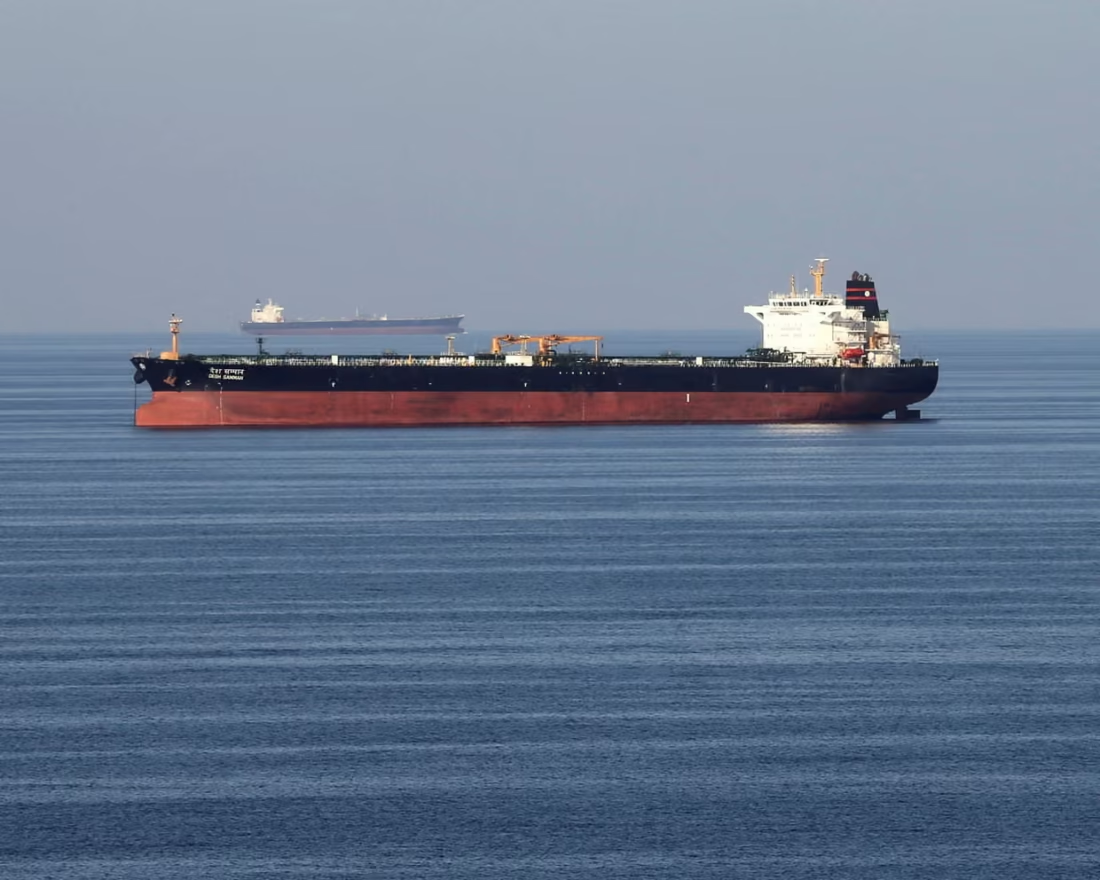
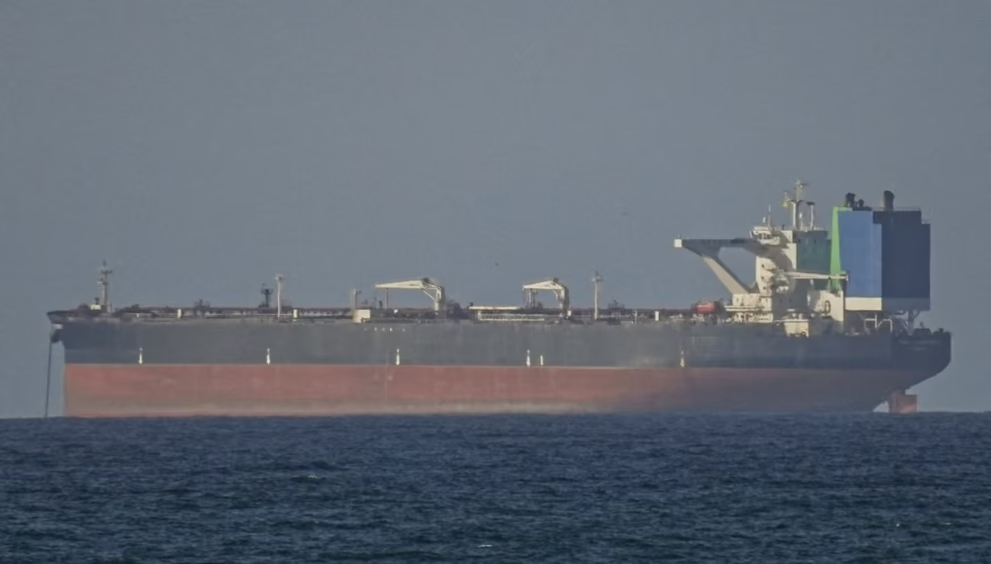
Three Iran-linked tankers have passed through the strait of Hormuz on the first full day of the US blockade of Iranian ports, Reuters has reported, citing shipping data.
The news agency reported that the three vessels were not heading to Iranian ports, and so they were not covered by the blockade.
They were:
- Panama-flagged Peace Gulf, a medium-range tanker that was heading to Hamriyah port in the UAE. The vessel typically moves Iranian naphtha, an oil product that is used for making plastics and chemicals.
- US-sanctioned tanker, Murlikishan, that was sailing to Iraq to load fuel oil. The vessel, formerly known as MKA, has transported Russian and Iranian oil.
- Rich Starry, a US sanctioned and Chinese flagged vessel, which would be the first to pass the strait of Hormuz. It is carrying about 250,000 barrels of methanol, which it loaded at its last port of call, the UAE’s Hamriyah. The New York Times reported the vessel picked up the methanol from an unspecified port in the Arabian Gulf and was bound for China.
US-sanctioned Chinese tanker passes Strait of Hormuz despite US blockade
In further comments, Guo said the US blockade of Iranian ports “further jeopardises safety of passage through the strait [of Hormuz]”, calling it “dangerous and irresponsible behaviour”.
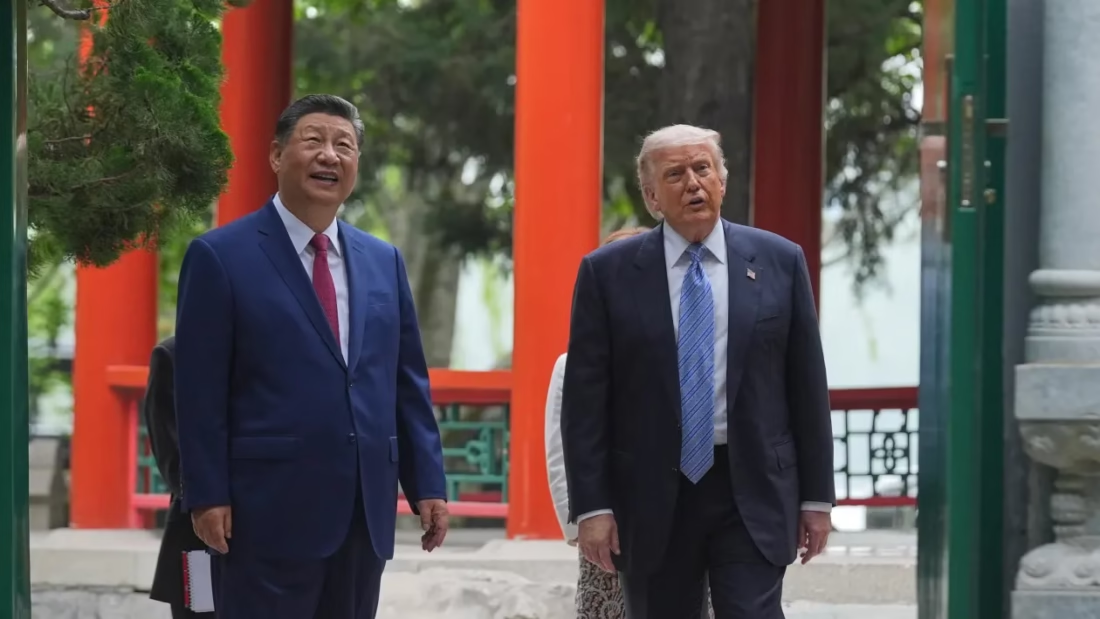
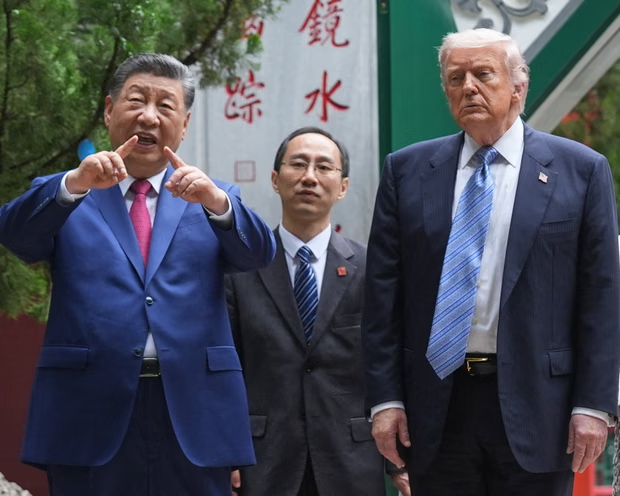
China said it will impose “countermeasures” after Donald Trump threatened new tariffs on its goods entering the US if Beijing provided military assistance to Iran.
“If the US insists on using this as an excuse to impose additional tariffs on China, China will definitely take resolute countermeasures,” the Chinese foreign ministry spokesperson, Guo Jiakun, told a news conference, according to AFP news agency.
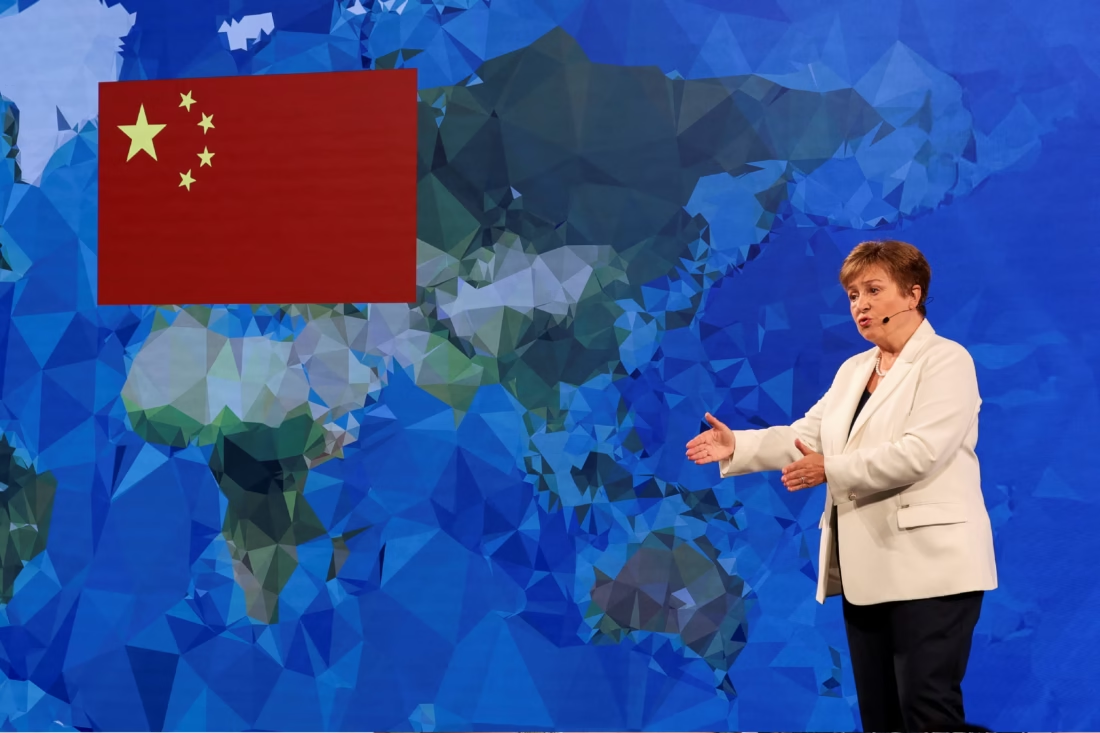
The Chinese president, Xi Jinping, has put forward a four-point proposal for peace and stability in the Middle East, as he called for the world not to be allowed to “revert to the law of the jungle”.
In the most significant remarks he’s made so far about the crisis in the Middle East, Xi said China would play a “constructive role” in promoting peace talks in the Middle East.
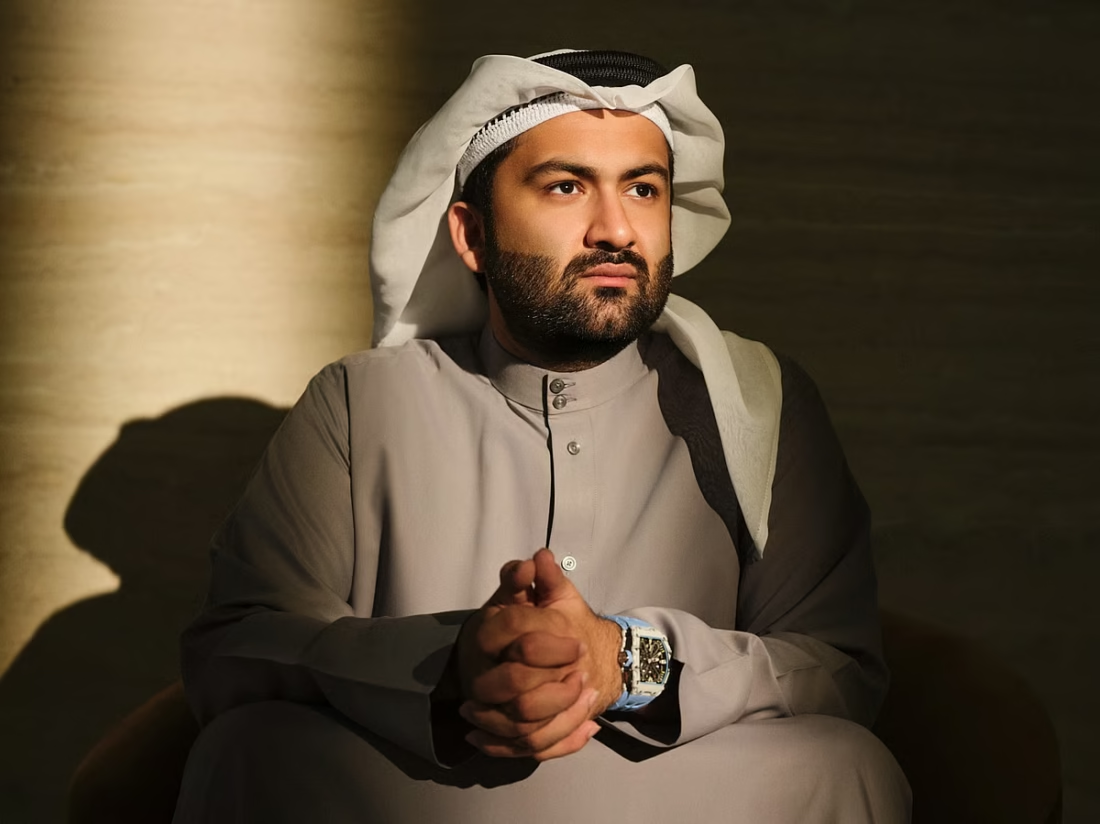
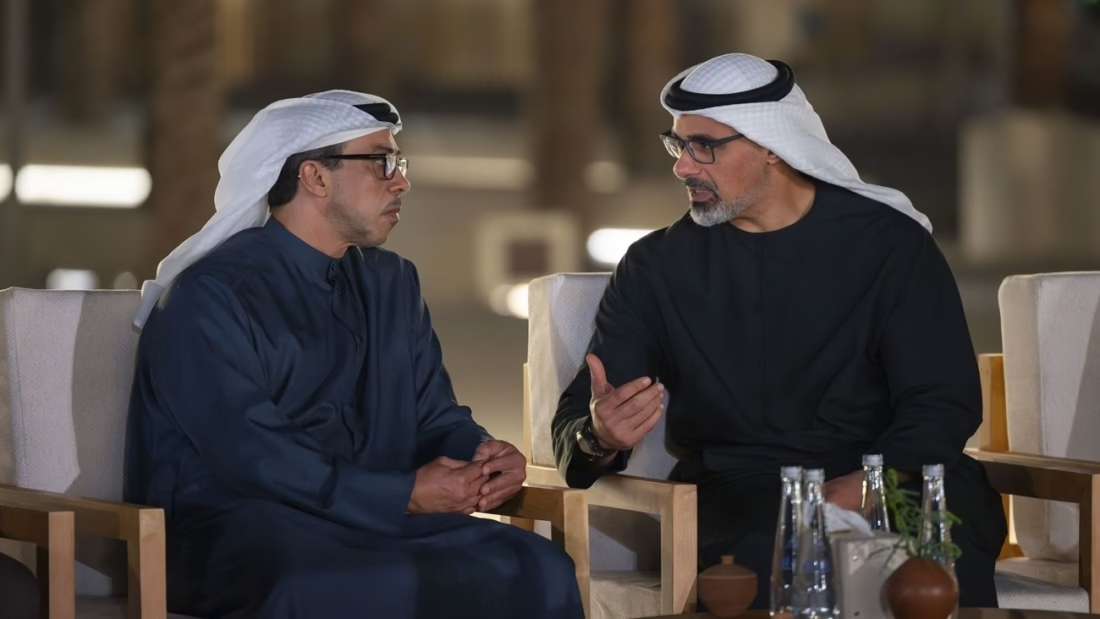
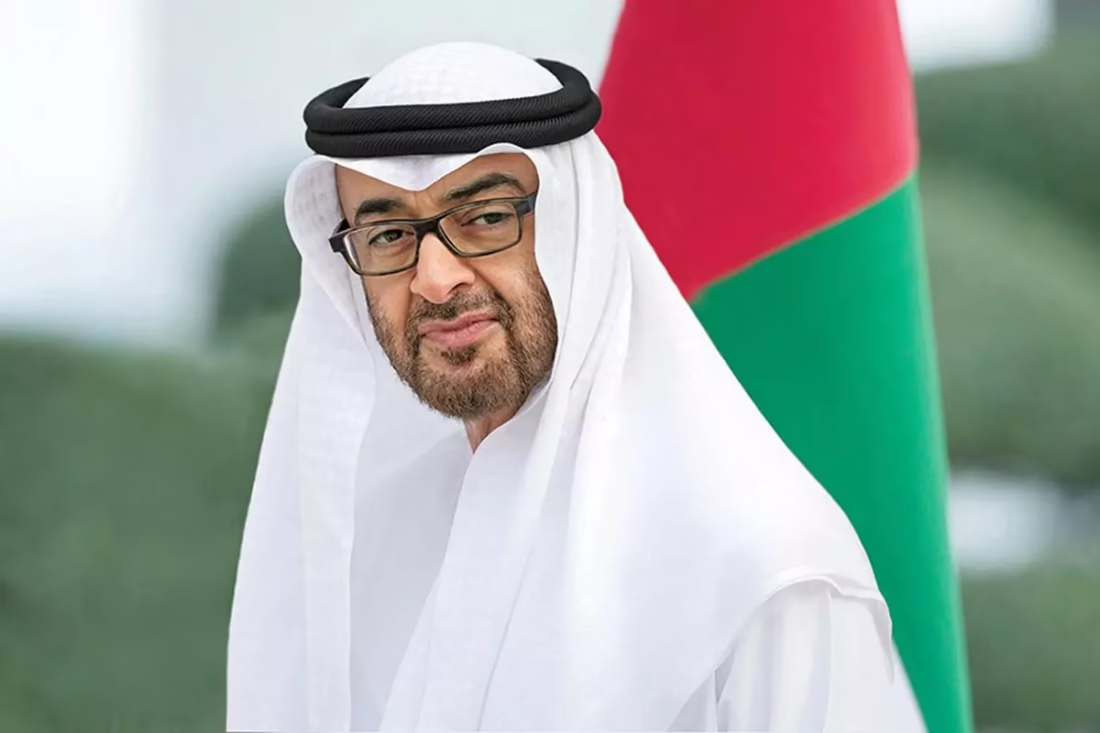
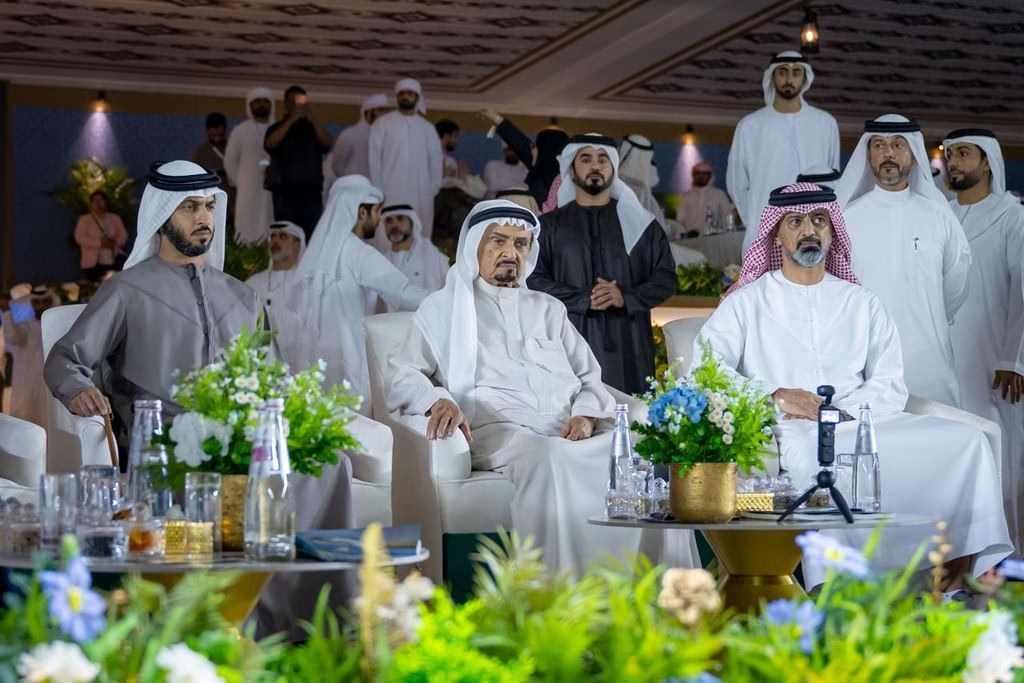
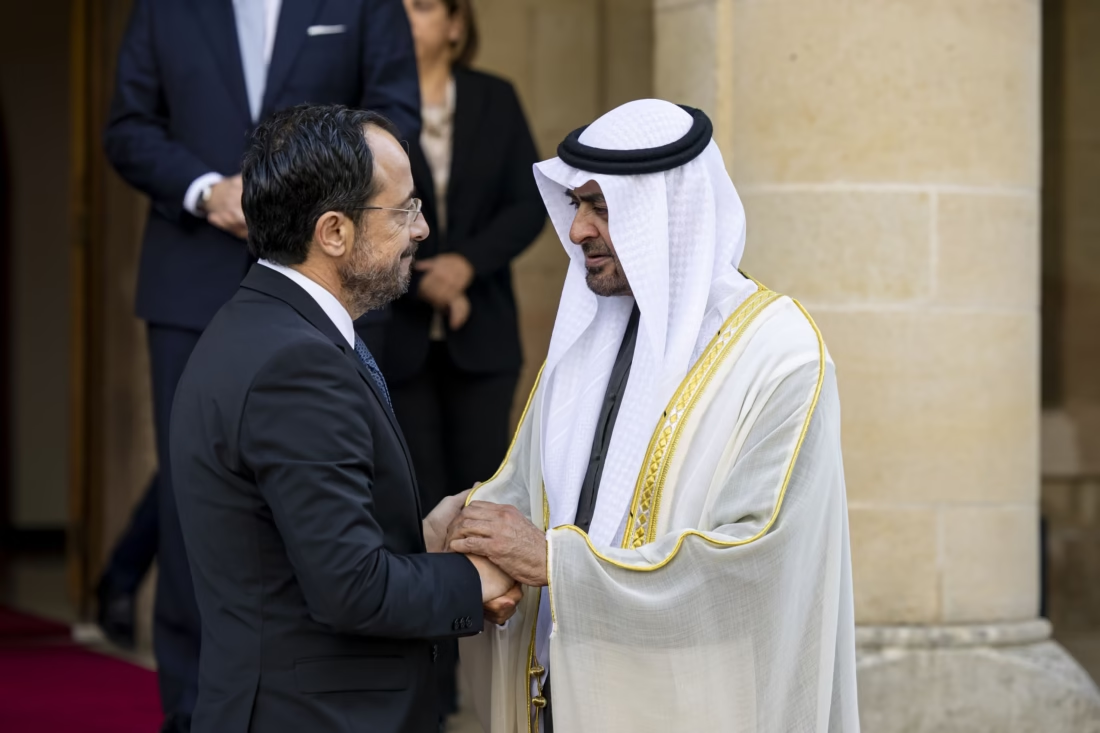
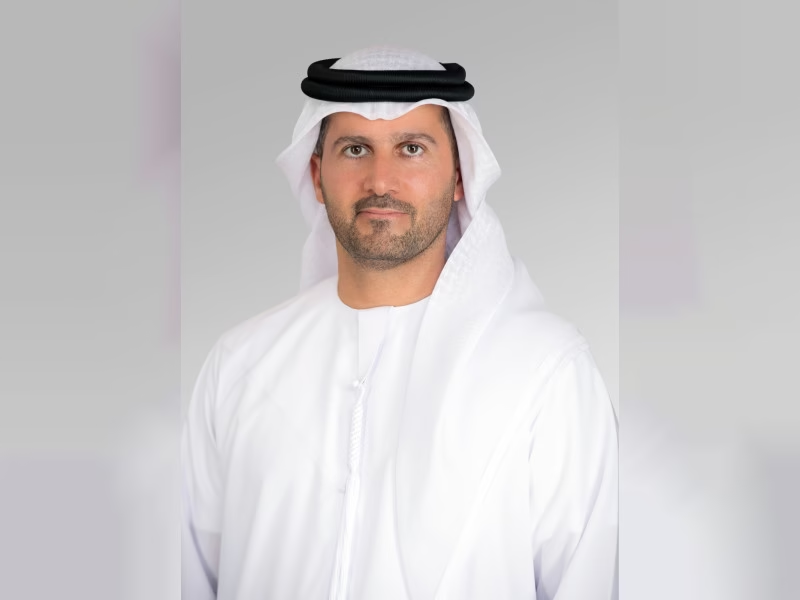
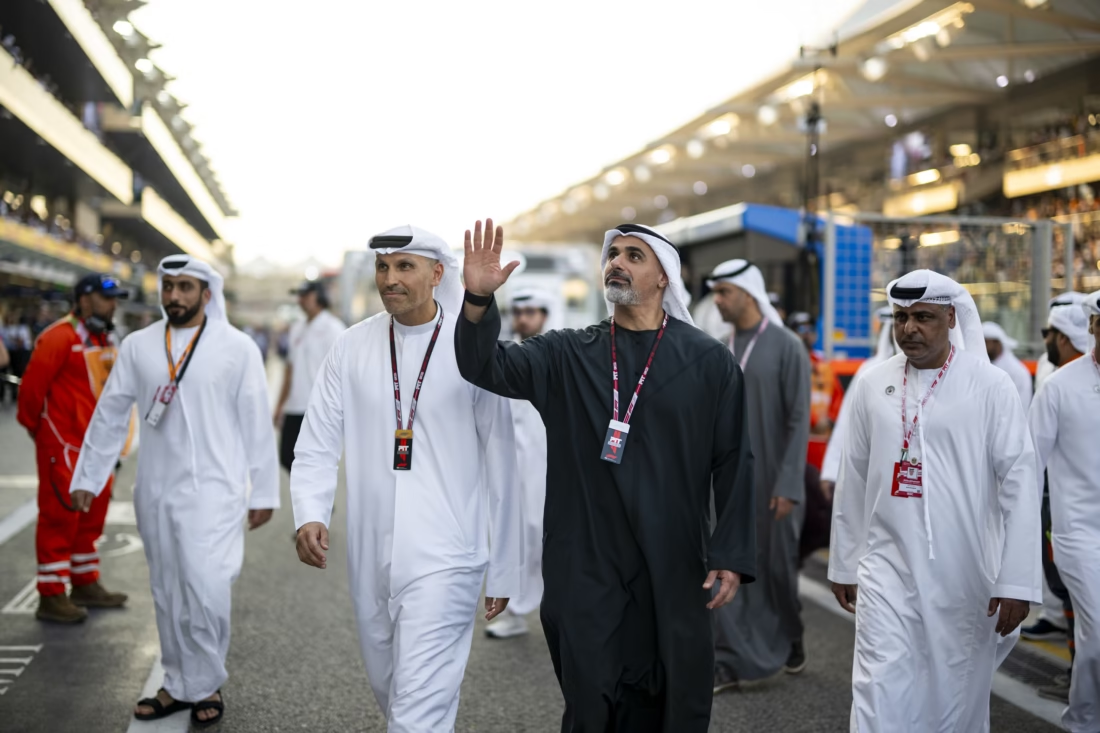
He made the comments during a meeting with Khaled bin Mohamed, the crown prince of Abu Dhabi, in Beijing today, where the two sides exchanged views on the current situation in the Middle East and the Gulf region, according to a readout by the Chinese state news agency Xinhua.
On his four-point proposal, Xi called for:
- Upholding a “principle of peaceful coexistence” and to “promote the building of a common, comprehensive, cooperative and sustainable security architecture for the Middle East and the Gulf region”.
- Upholding state sovereignty, including the protection of personnel, facilities and institutions.
- Upholding international rule of law that should not be “used it when it is convenient and abandoned when it is not … we cannot allow the world to revert to the law of the jungle”.
- All countries to “integrate development and security” and “create a favourable environment and inject positive energy into the development of the Gulf states in the Middle East”.
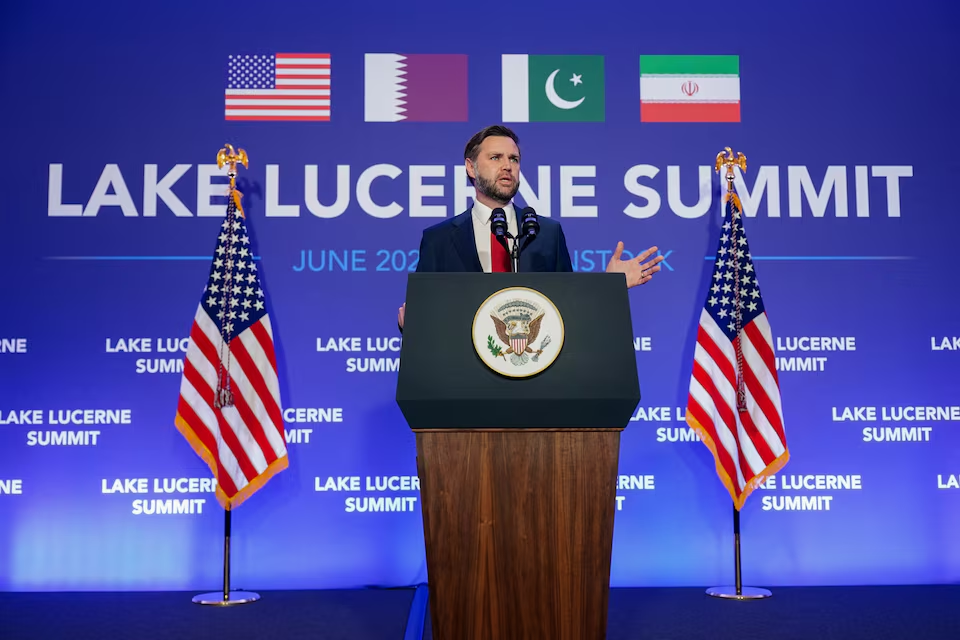
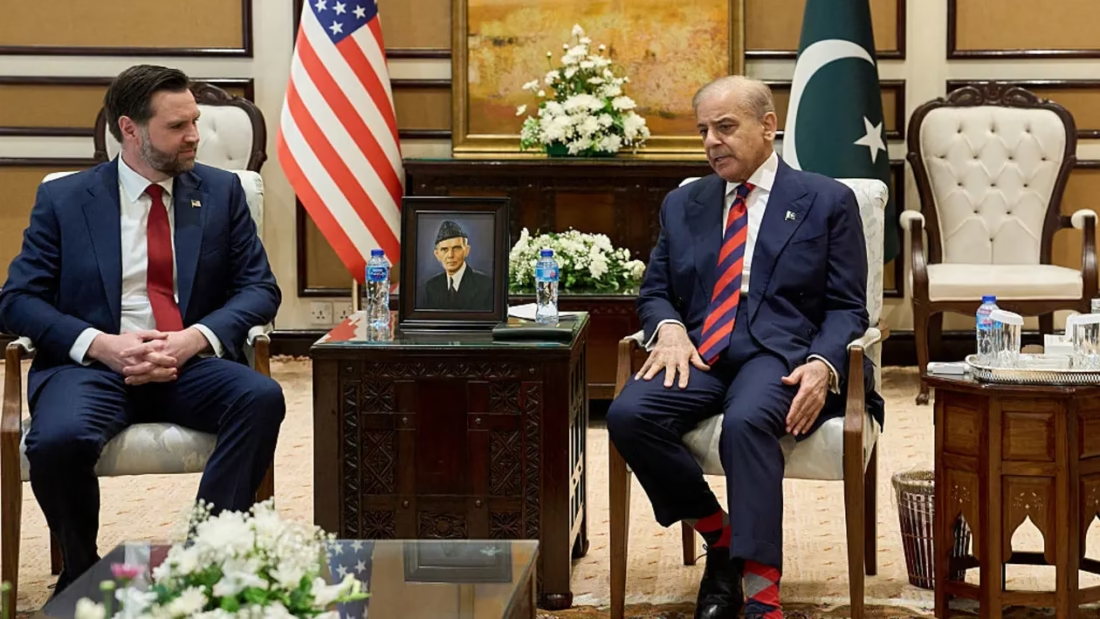
Reuters has reported that the US and Iran will return to Pakistan for peace talks. Citing four sources, the news agency said the negotiating teams from both sides will be in Islamabad for a second round of talks later this week.
We will bring you more updates as we get it.
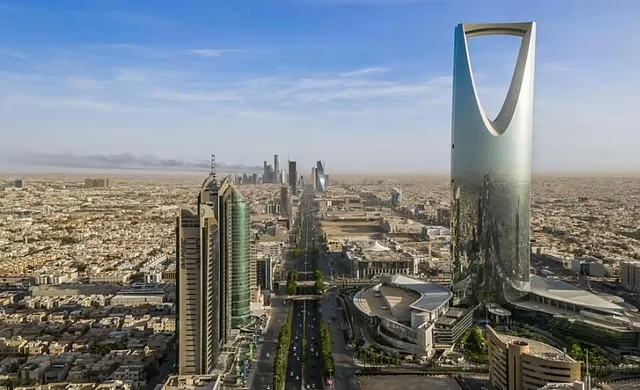
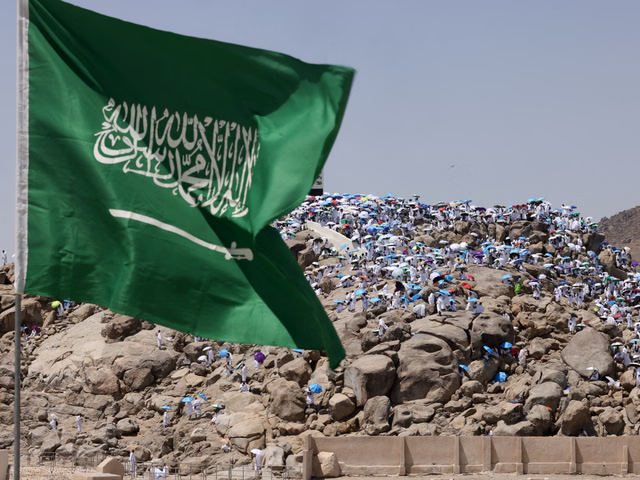
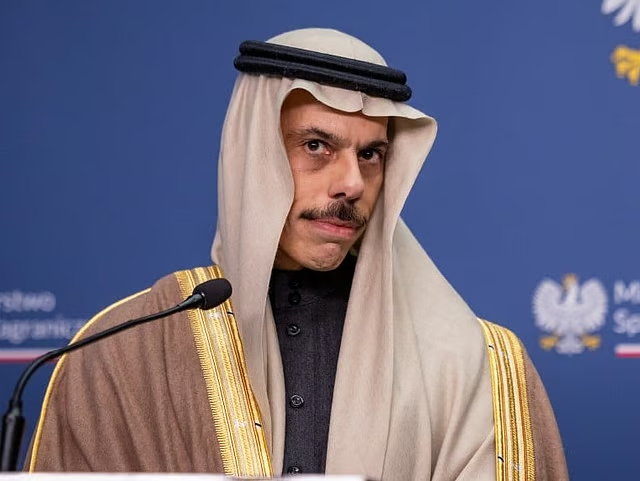
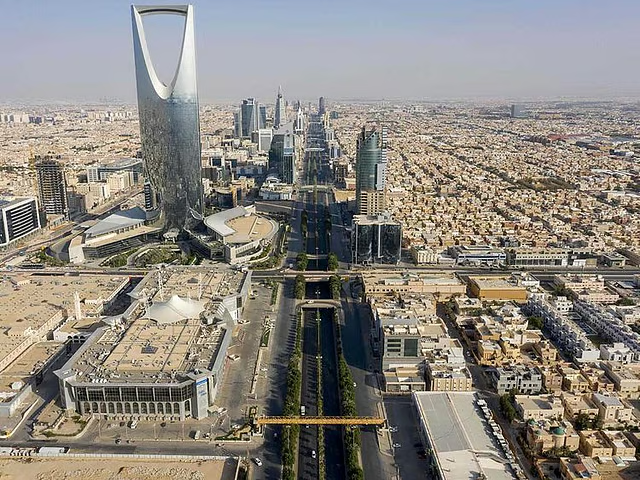
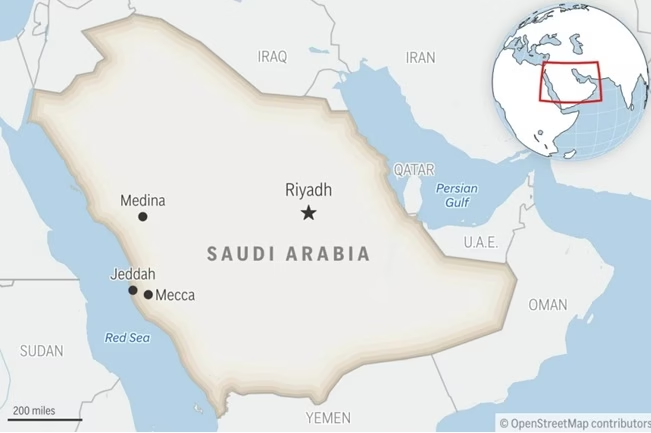
Saudi Arabia is urging the US to end its blockade of the strait of Hormuz over fears Iran could retaliate and target other shipping routes, according to the Wall Street Journal, citing Arab officials.
The officials raised concerns that Iran could close the Bab al-Mandab, a major global chokepoint between Yemen and the Horn of Africa which has been vulnerable to Houthi attacks. Saudi Arabia has been relying on its Red Sea port at Yanbu to export oil, but if the Bab el-Mandeb closes, the kingdom could lose its last remaining export route.
The day so far
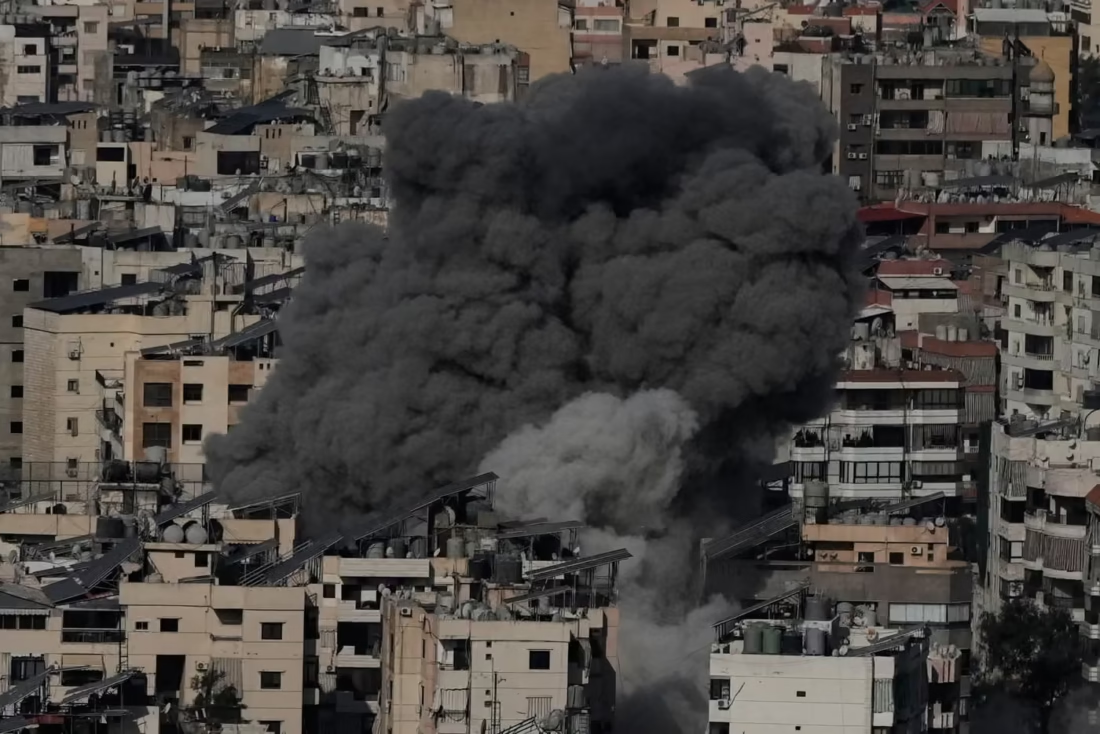
It’s 9.30am in Tehran, 9am in Tel Aviv and 2am in Washington DC – and if you’re just joining today’s live coverage of the US-Israel war on Iran, here’s a summary of the latest to bring you up to speed.
- The US blockade of ships using Iranian ports in the Gulf began on Monday, turning the six-week-old conflict between the US-Israeli coalition and Iran into a test of economic endurance.
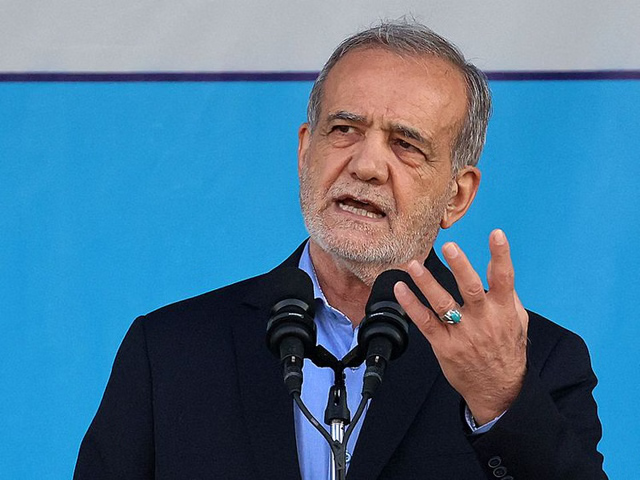
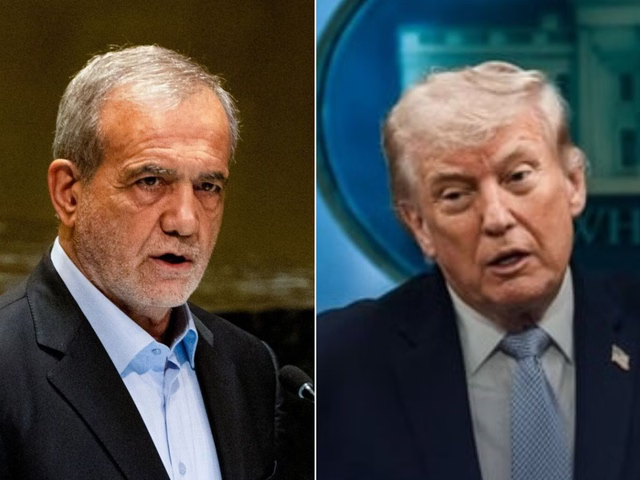
- Iran’s president, Masoud Pezeshkian, warned that any threat to the strait of Hormuz would have “widespread consequences for the world”, according to Iranian media. Pezeshkian reportedly told French president Emmanuel Macron yesterday that the US’s “excessive demands” had thwarted an agreement during the weekend talks in Pakistan.
- US Central Command said the blockade would apply to any ships entering or departing Iranian ports or coastal areas, while ships using non-Iranian ports would not be impeded.
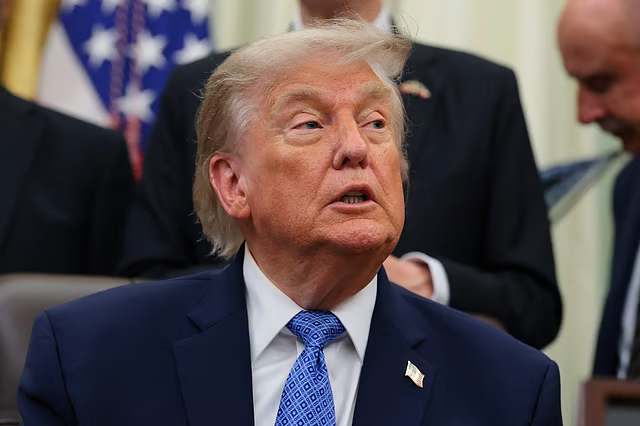
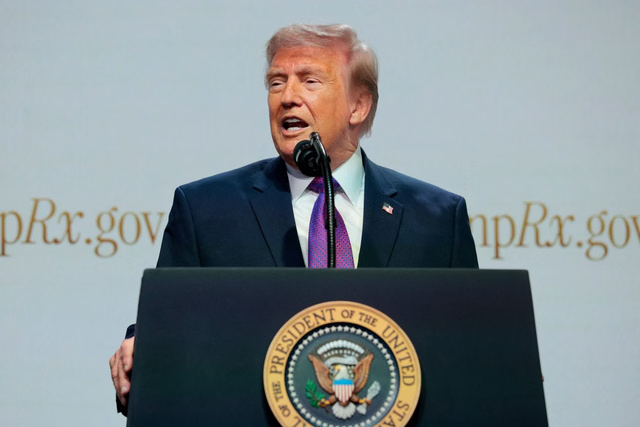
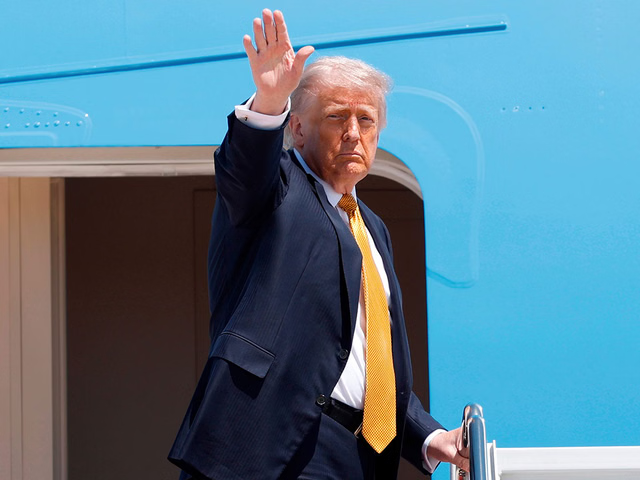
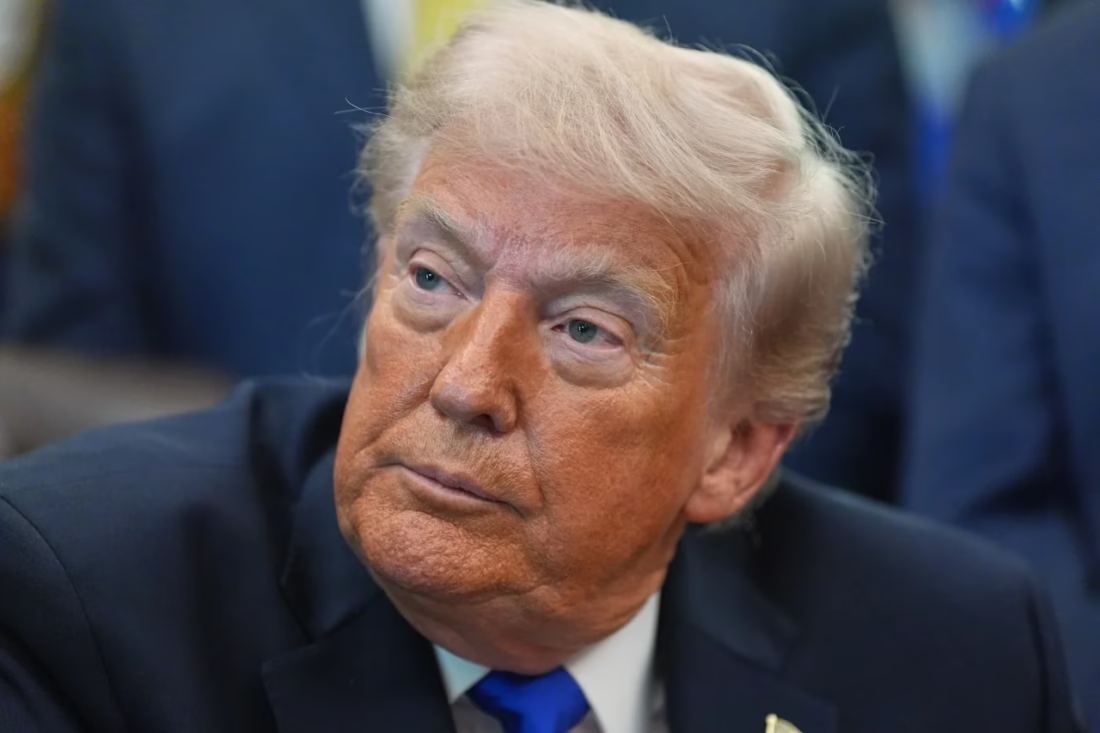
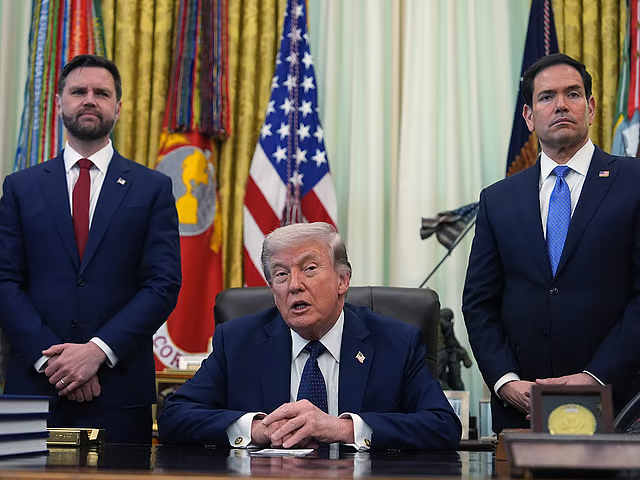
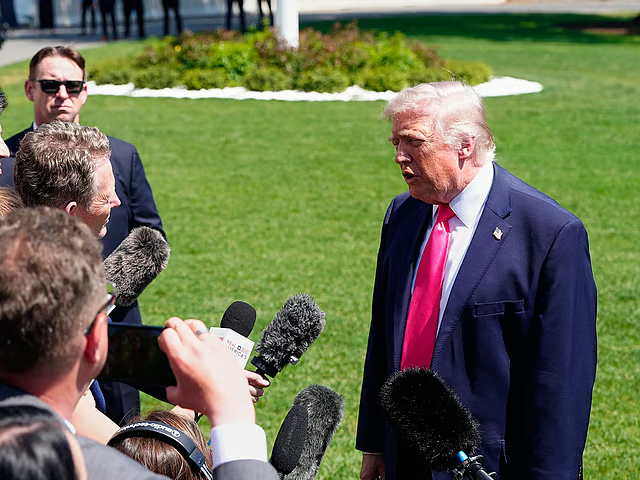
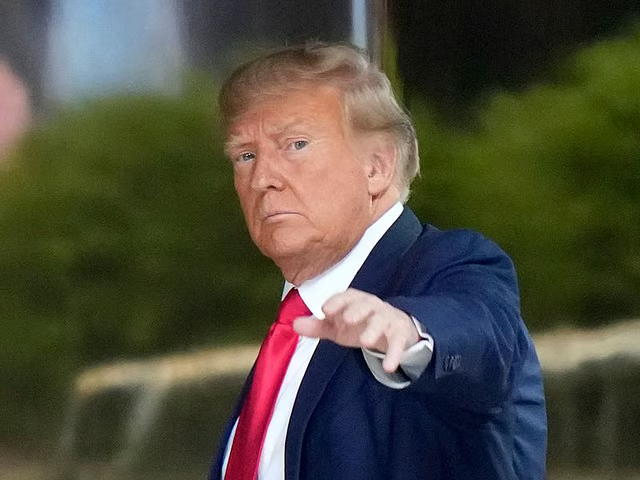
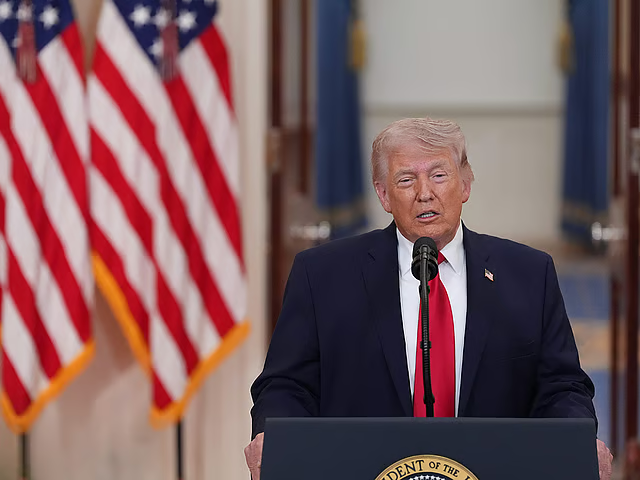
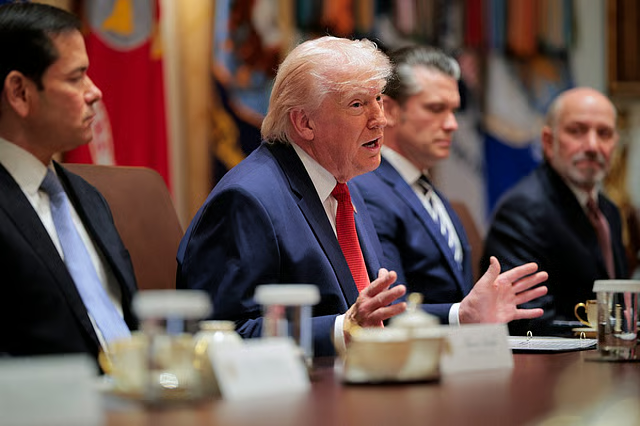
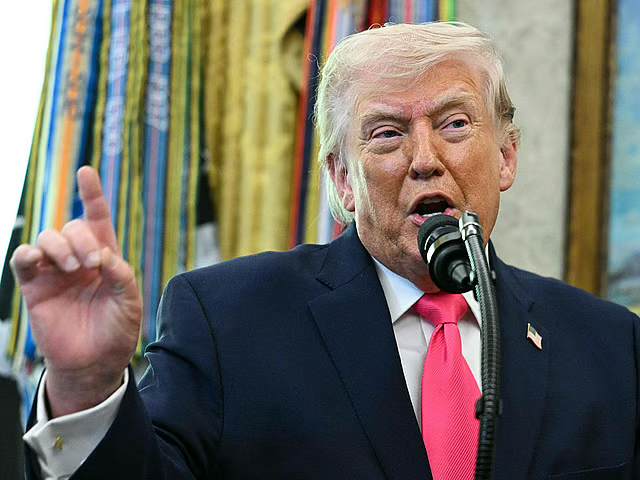
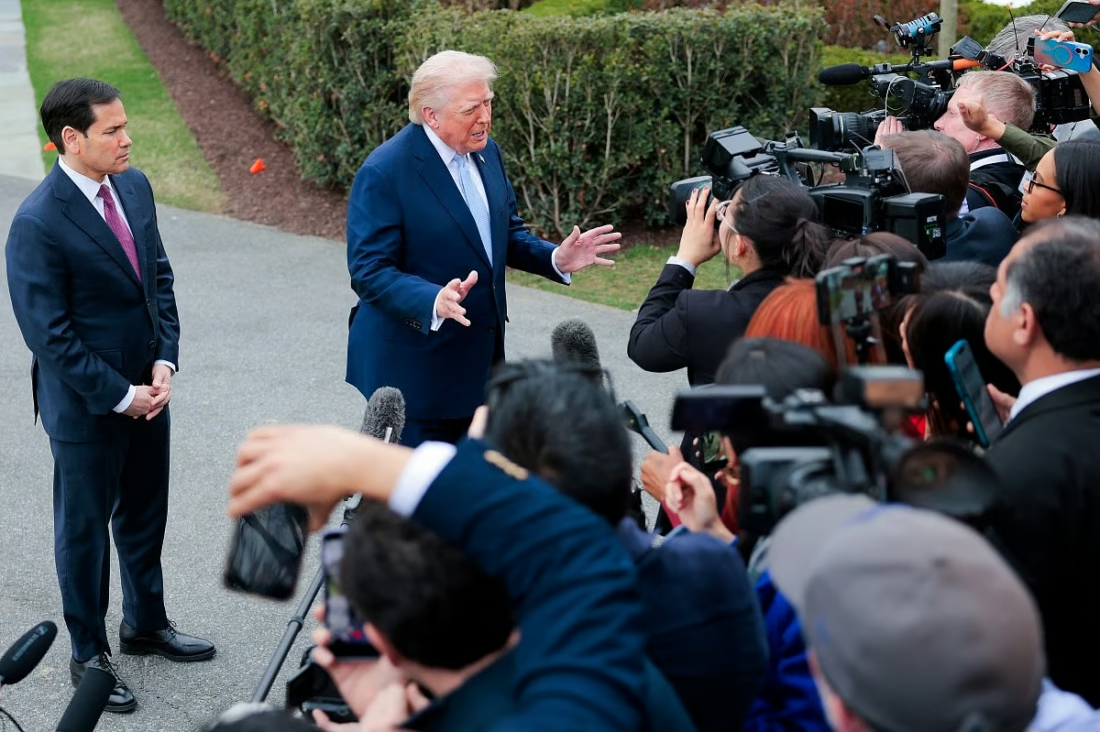
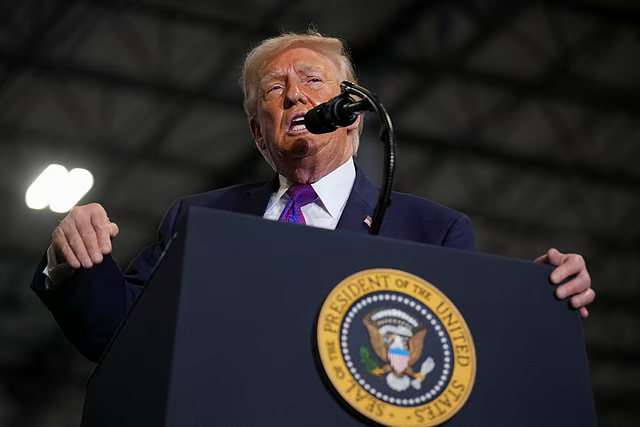
- Donald Trump claimed at the White House that “we’ve been called by the other side”, which would “like to make a deal very badly”. He insisted the US would not agree to any deal that would permit Iran to have a nuclear weapon, saying: “We can’t let a country blackmail or extort the world.” News reports indicated US officials were continuing talks with Tehran.
- Oil prices plunged and stocks rose on Tuesday on hopes for a deal to end the war.
The Guardian