
 English



























































































































































































































































































































































































































































































































































Vaping and Lung Health: Acute Inflammation, EVALI Risk, and Long-Term Respiratory Damage


By Dr. Muhammed Aslam
Specialist Pulmonologist
International Modern Hospital
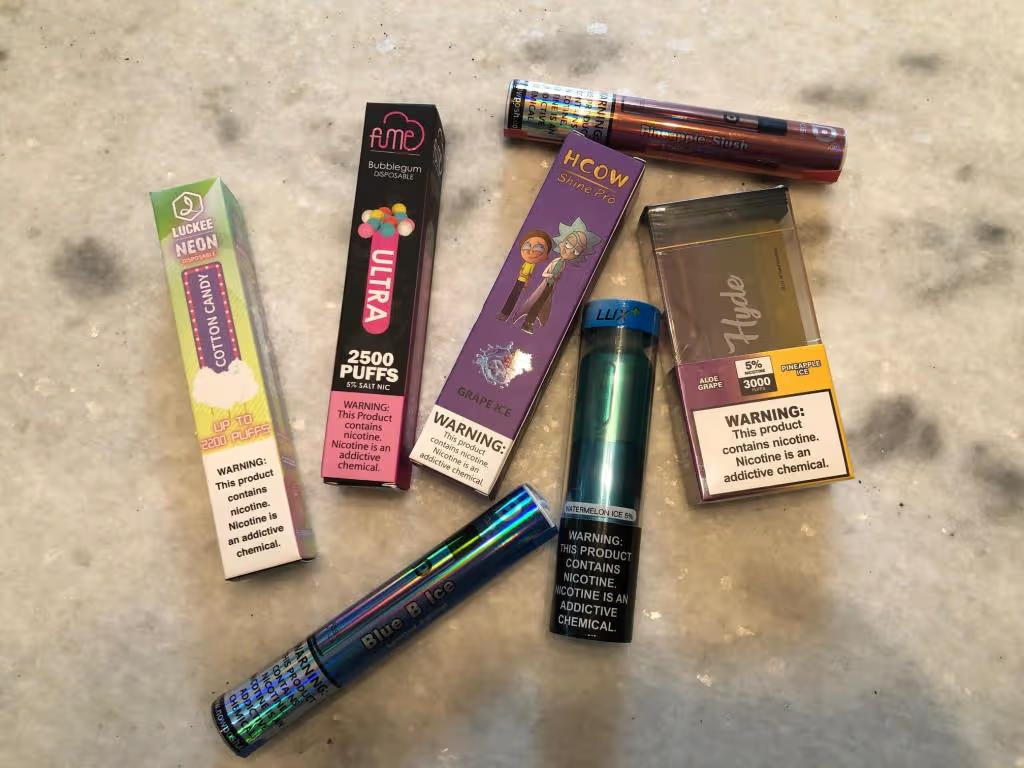
The lungs are biologically engineered to inhale clean atmospheric air — not heated chemical aerosols. With the rising popularity of electronic cigarettes, many users underestimate the respiratory risks associated with inhaling vaporized synthetic substances.
When vaping, the lungs are directly exposed to a mixture of ultrafine particles and chemical compounds capable of triggering an acute inflammatory response. These particles penetrate deep into the respiratory tract, reaching the bronchioles and alveoli, where oxygen exchange occurs. Once inflammation develops in these delicate structures, breathing efficiency can be compromised.
Many vaping liquids contain flavoring agents and additives that appear harmless in liquid form. However, when heated, these compounds may transform into reactive chemicals that irritate the airway lining and damage alveolar tissue. This irritation can disrupt normal lung function and initiate inflammatory cascades.
A significant global concern has been the emergence of E-cigarette or Vaping-Associated Lung Injury (EVALI). Clinical cases have demonstrated that sudden chemical pneumonitis — inflammation of the lung tissue — can develop within days of exposure. Symptoms may rapidly progress to:
- Severe shortness of breath
- Chest pain
- Persistent cough
- Low oxygen levels
- Respiratory distress requiring hospitalization or intensive care
EVALI highlights that vaping-related lung injury can be acute, severe, and life-threatening.
Beyond acute injury, chronic vaping presents additional respiratory risks. Long-term use may:
- Exacerbate asthma
- Increase the frequency of allergic airway attacks
- Cause persistent bronchial inflammation
- Potentially weaken local immune defenses within the respiratory system
Reduced airway immunity makes individuals more vulnerable to infections, including viral and bacterial respiratory illnesses.
As Dr. Muhammed Aslam emphasizes:
“The lungs are not designed to inhale heated synthetic substances daily. The damage can be acute and rapid, or gradual and silently accumulating.”
This dual pattern of injury — either sudden and severe or slow and progressive — makes vaping particularly concerning. While often marketed as a safer alternative to traditional smoking, accumulating clinical evidence suggests that inhaling chemically altered aerosols carries significant pulmonary risk.
Protecting lung health requires informed awareness. The absence of tobacco smoke does not mean the absence of harm.