
 English



































































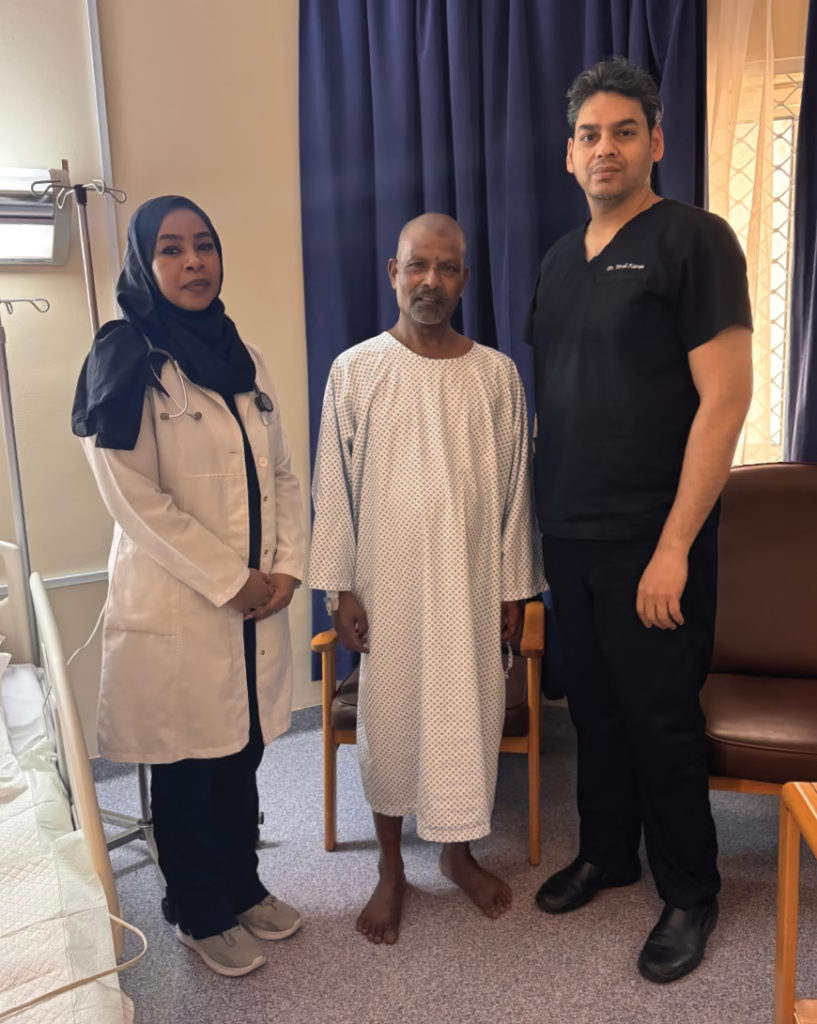



































































































































































































































































































































































































































Safe Blood Donation Before, During, and After Ramadan – Medical Guidelines by Dr. Ganesh Dhanuka


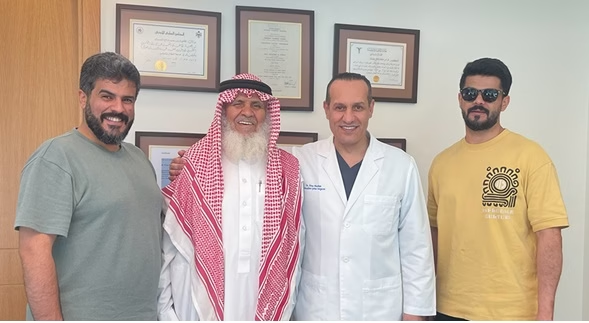
By Dr. Ganesh Dhanuka
Specialist Internal Medicine and Nephrology
International Modern Hospital
Blood donation remains one of the most impactful humanitarian acts, capable of saving multiple lives with a single unit of blood. However, during the holy month of Ramadan, many individuals question whether it is safe to donate while fasting and how to properly prepare for donation.
From a medical standpoint, blood donation is generally safe for healthy individuals. Nevertheless, appropriate preparation — especially in the context of fasting — is essential to minimize risks such as dizziness, dehydration, or hypotension.
This article outlines evidence-based recommendations for blood donation before, during, and after Ramadan, along with its physiological, psychological, and societal benefits.
Preparing for Blood Donation Before Ramadan
Proper preparation significantly reduces the risk of adverse effects during donation. Individuals planning to donate should:
Nutritional Preparation
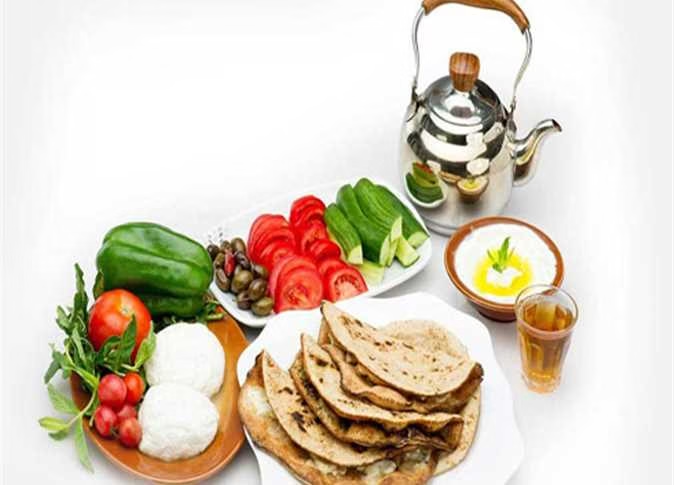
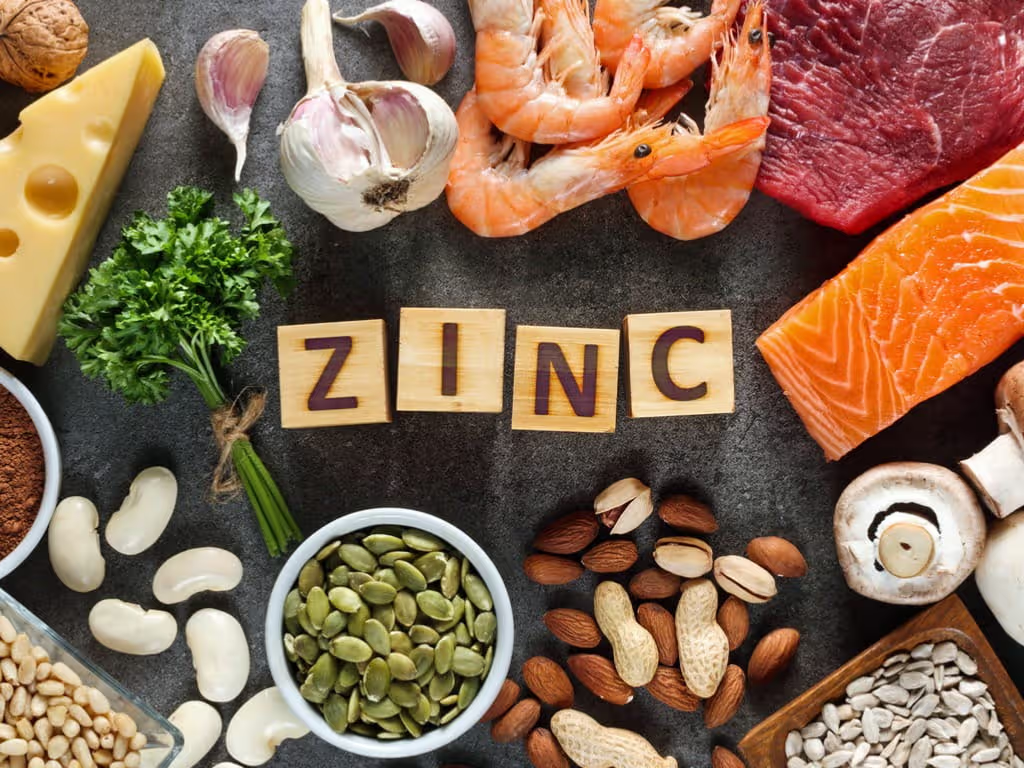
Consume a balanced meal rich in iron and protein approximately 2–3 hours before donating. Iron-rich foods such as lean red meat, spinach, lentils, beans, and fortified cereals help maintain adequate hemoglobin levels. Protein supports plasma volume and recovery.
Avoid donating on an empty stomach, as this increases the likelihood of lightheadedness and vasovagal reactions.
Hydration Status
Adequate hydration is critical. Donors should:
- Increase water intake the day before donation.
- Drink extra fluids on the day of donation.
Proper hydration helps maintain blood pressure and reduces the risk of fainting.
Sleep and Lifestyle Factors
- Ensure 6–8 hours of quality sleep the night before.
- Avoid alcohol for at least 24 hours prior to donation.
- Refrain from strenuous physical activity before donation.
Medical Disclosure
Bring valid identification and honestly disclose:
- Any chronic medical conditions.
- Current medications.
- Recent illnesses or procedures.
Transparency ensures donor safety and protects recipients.
What to Expect During Blood Donation
The blood donation process is generally straightforward and takes about 10–15 minutes for the actual collection.
During donation:
- Stay calm and breathe normally.
- Avoid sudden movements.
- Inform medical staff immediately if you experience dizziness, nausea, sweating, blurred vision, or weakness.
- Follow all staff instructions carefully.
Most temporary reactions, when they occur, are mild and resolve quickly with rest and hydration.
Post-Donation Care and Recovery
The post-donation period is crucial for safe recovery.
Immediate Aftercare
- Rest at the donation center for 10–15 minutes.
- Accept fluids and light refreshments provided.
- Avoid standing up abruptly.
The Next 24 Hours
- Increase fluid intake significantly.
- Consume iron-rich foods to replenish red blood cell production.
- Avoid heavy lifting for 24 hours.
- Avoid strenuous exercise on the same day.
- Avoid alcohol for several hours after donation.
If dizziness occurs, lie down and elevate your legs until symptoms resolve.