
 English

























































































































































































































































































































































































































































































































































































































Iran, Oman plan to monitor Hormuz traffic — IRNA

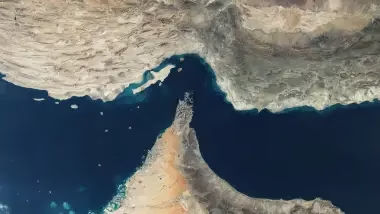
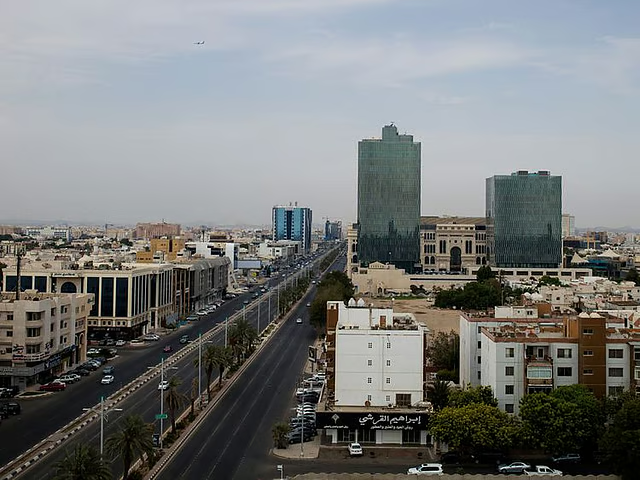
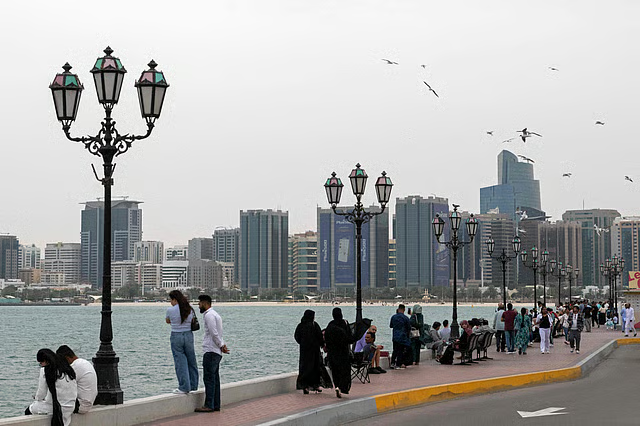
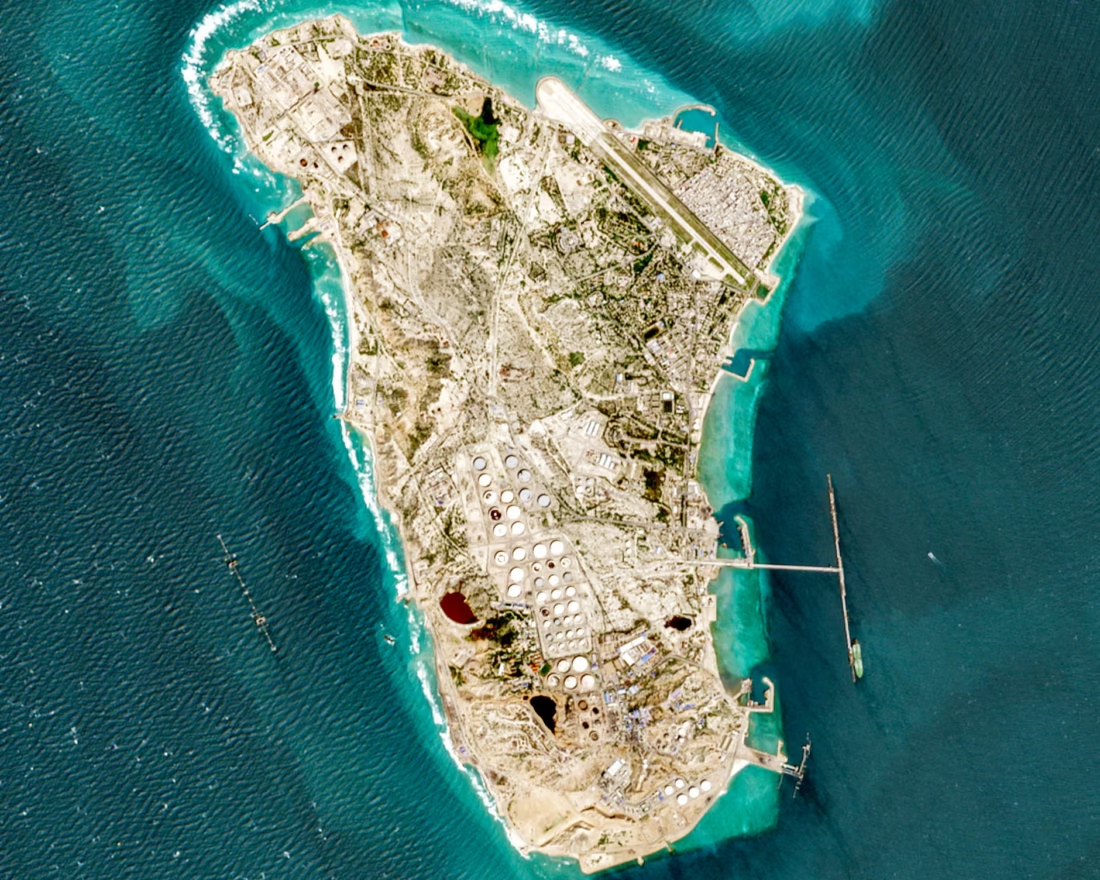
Iran and Oman are drafting a protocol to “monitor transit” through the Strait of Hormuz, Iranian state news agency IRNA reported Thursday morning, citing an official.
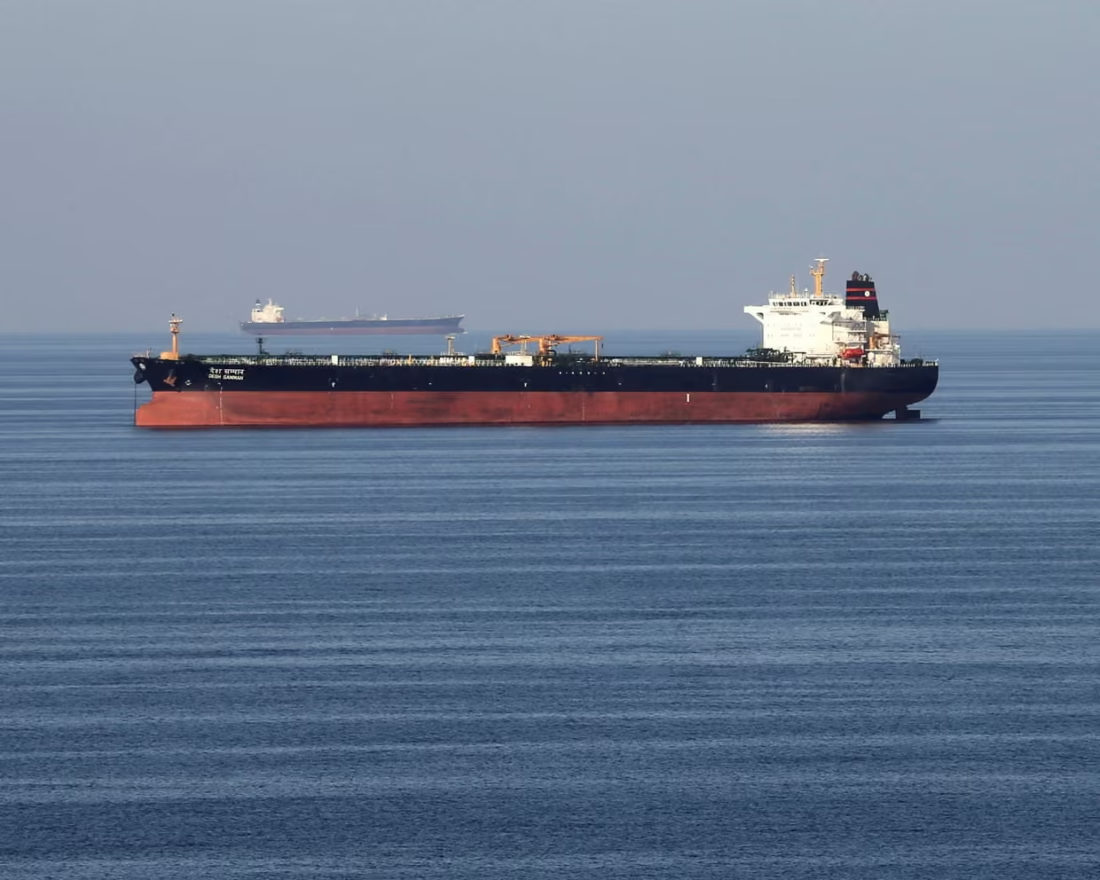
Tanker traffic through the key oil-shipping route “should be supervised and coordinated” with the two countries, said Kazem Gharibabadi, Iran’s deputy foreign minister of legal and international affairs, according to a translation of IRNA’s report.
“Of course, these requirements will not mean restrictions, but rather to facilitate and ensure safe passage and provide better services to ships that pass through this route,” Gharibabadi reportedly said.
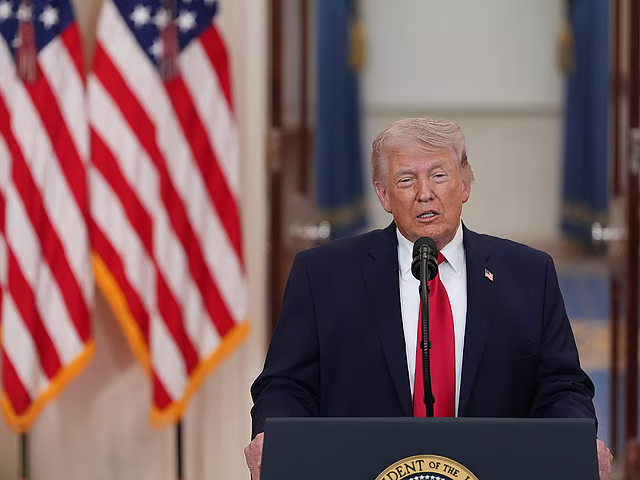
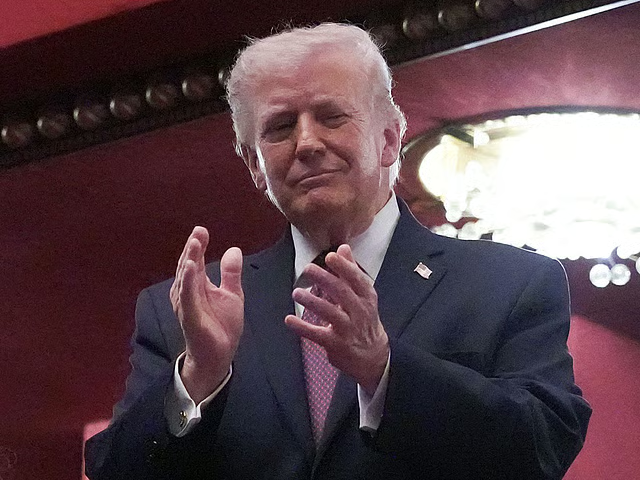
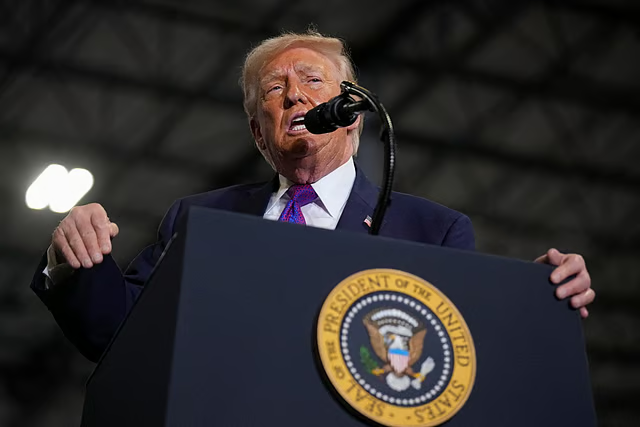
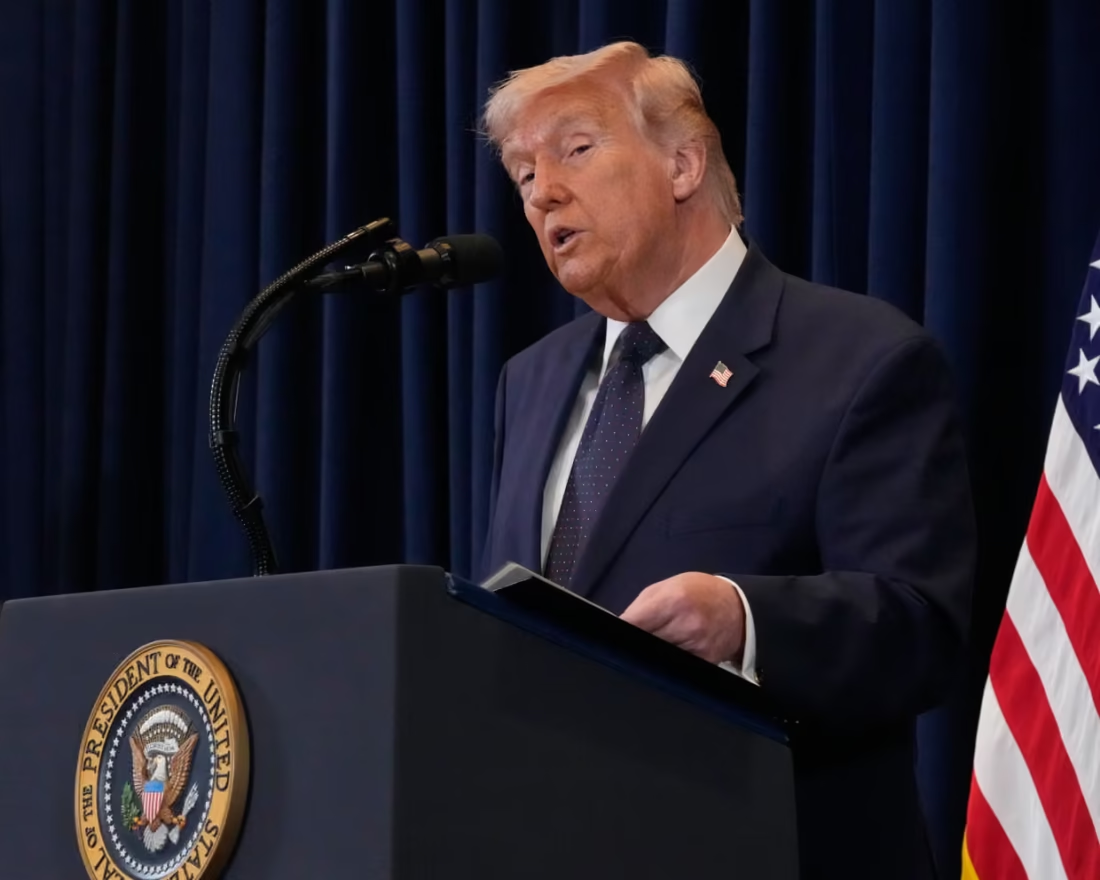
U.S. stock indexes, which were trading sharply lower Thursday morning after President Donald Trump signaled that the Iran war will continue for weeks to come, suddenly turned higher following IRNA’s report.
Oil prices, which likewise had surged overnight, eased from their highs of the day on the Oman news, which offered hope that the Strait of Hormuz may be able to reopen in some capacity without requiring military force.
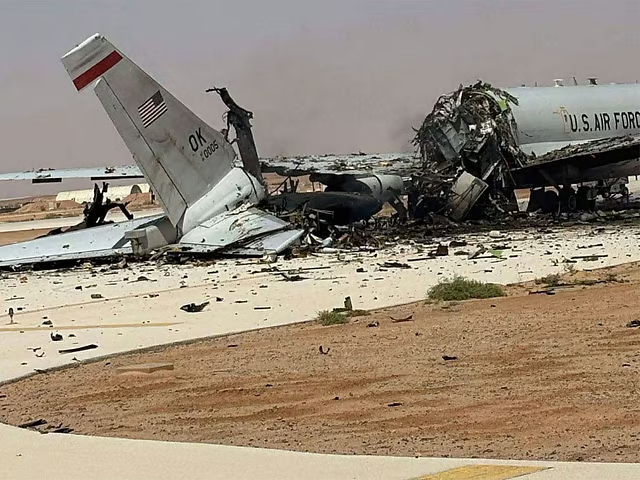
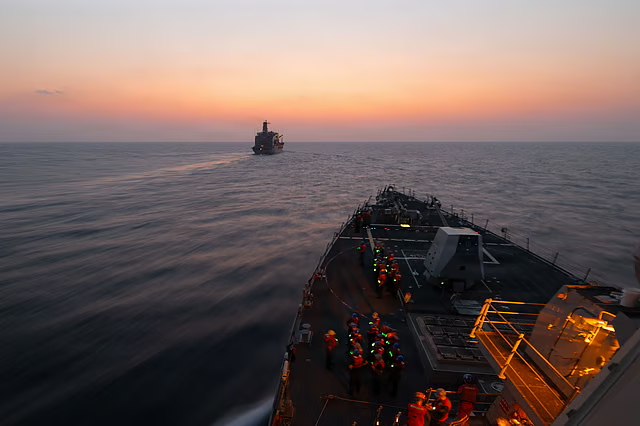
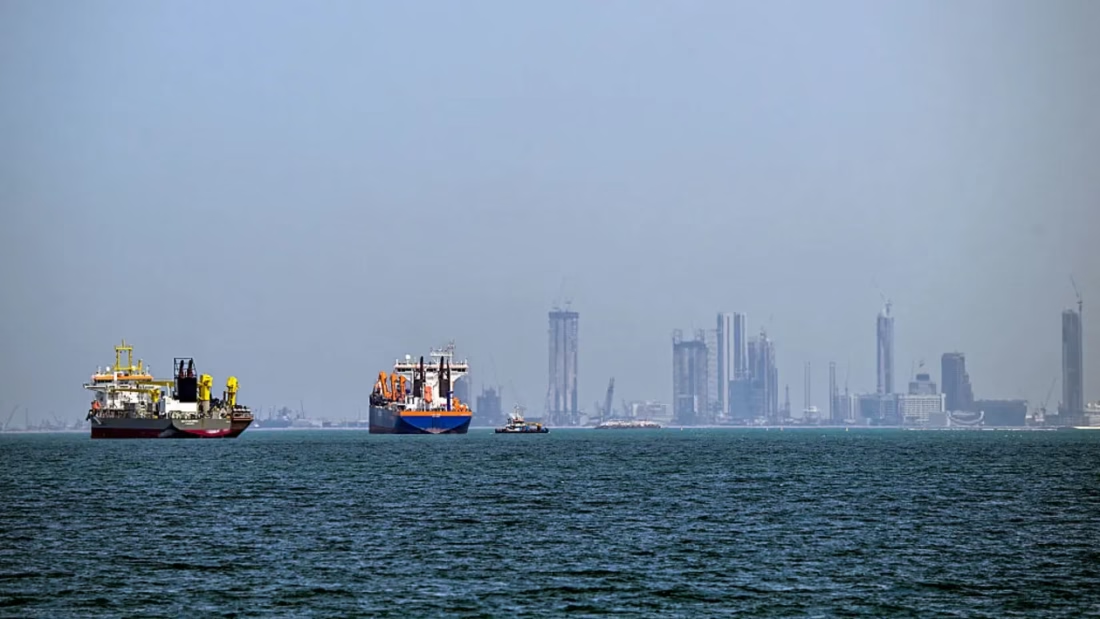
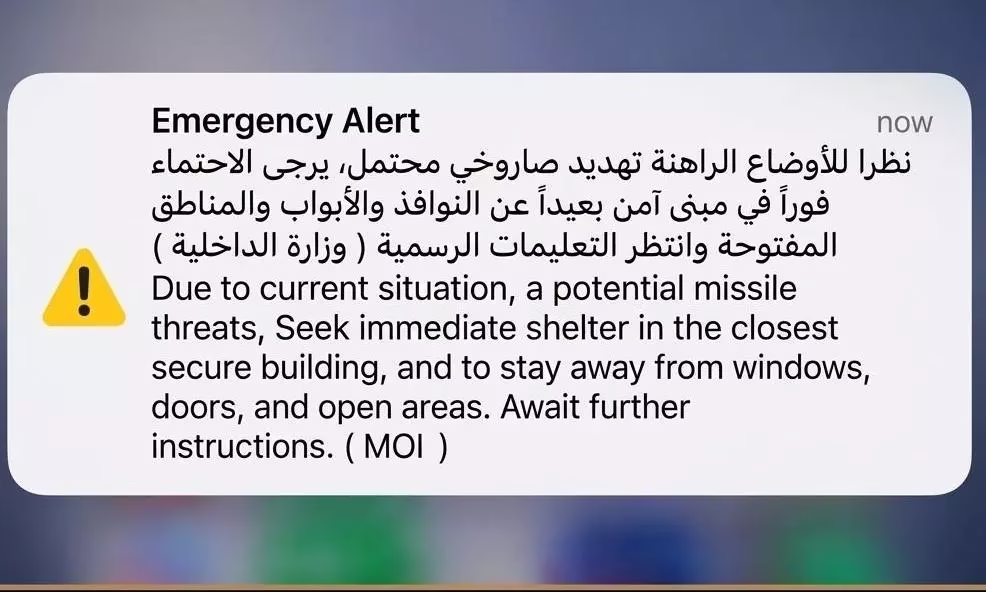
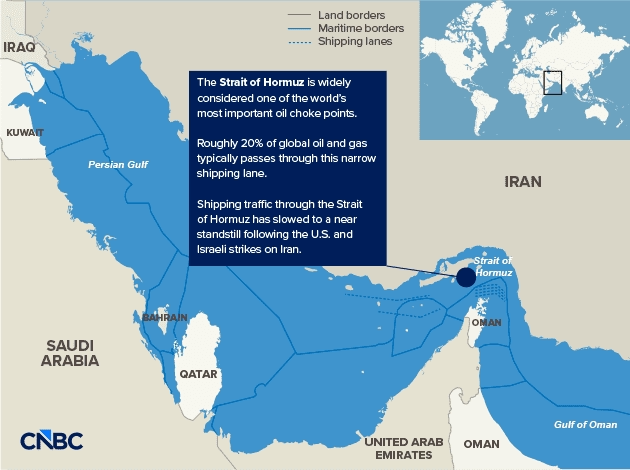
The strait, a vital artery for much of the world’s oil transit, has been effectively closed since the war started on Feb. 28 with U.S. and Israeli strikes on Iran.
Iran’s blockade has rapidly led to a historic surge in oil prices, creating a cascading crisis with widespread impacts around the world.
Trump insists that the U.S. is unaffected by the closure because it imports comparatively little oil via the strait. “We haven’t needed it, and we don’t need it,” he said in his address to the nation Wednesday night.
But average U.S. gas prices have nevertheless spiked more than 30% in a month, surpassing $4 per gallon for the first time in years.
CNBC
Brent soars to $141, highest since 2008
The spot price for current physical cargoes of Brent crude oil soared Thursday to $141.36, the highest level since the 2008 financial crisis, according to S&P Global, which tracks the data.
The spot price reflects the demand for Brent oil that will be delivered in the next 10 to 30 days. The high price for more immediate oil deliveries points to the tightness of physical supply right now due to the huge disruption trigged by the Iran’s closure of the Strait of Hormuz.
The price was $32.33 higher than the Brent crude futures contract for June delivery, which closed at $109.03 on Thursday.
The futures price is “almost giving a false sense of security that things are not that stressed,” said Amrita Sen, founder of Energy Aspects, in an interview with CNBC’s “The Exchange.”
“You are seeing it but the financial market is almost masking the true tightness that everywhere else is showing up,” Sen said. The price for a barrel of diesel in Europe is almost $200 per barrel right now, she said.
Chevron CEO Mike Wirth warned last week that the futures price is not reflecting the scale of the oil supply disruption to the closure of the Strait. Wirth said the market is trading on “scant information” and “perception.”
“There are very real, physical manifestations of the closure of the Strait of Hormuz that are working their way around the world and through the system that I don’t think are fully priced into the futures curves on oil,” Wirth said at the CERAWeek by S&P Global energy conference in Houston on March 23.
CNBC