
 English







































































































































































































































































































































































































































































































































































































































































How to Fast Safely During Ramadan if You Have Diabetes

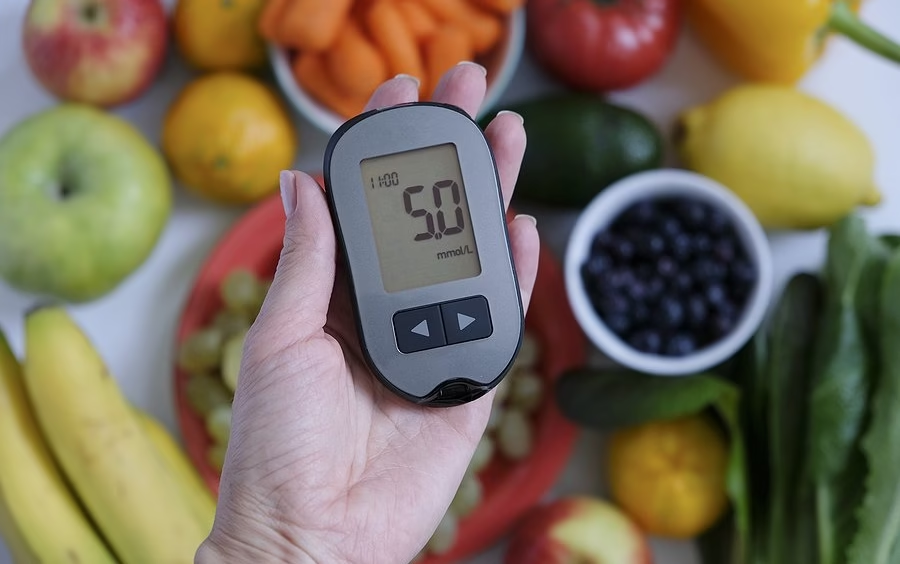
For Muslims living with diabetes, Ramadan presents a deeply personal decision that balances spiritual devotion with health considerations. The desire to observe one of Islam’s five pillars is understandable, fasting during Ramadan is a profoundly meaningful experience that connects believers to their faith, their community, and centuries of tradition.
The good news is that many people with diabetes can fast safely with proper preparation and medical guidance. However, this requires careful planning, ongoing monitoring, and a clear understanding of when fasting may pose risks that outweigh its benefits. The International Diabetes Federation estimates that over 150 million Muslims with diabetes worldwide fast during Ramadan each year, many of them successfully.
This guide provides evidence-based information to help you work with your healthcare team in making informed decisions about fasting and managing your diabetes throughout the holy month.
Disclaimer: This information is designed to provide practical advice for diabetics during the holy month of Ramadan. Any lifestyle or medication changes must be discussed with and approved by a healthcare professional.
Before Ramadan: Essential Preparation
The most important step in safe fasting begins six to eight weeks before Ramadan. Schedule a pre-Ramadan consultation with your physician to assess whether fasting is appropriate for your specific situation. During this visit, your doctor will evaluate your current blood glucose control, review your medications, discuss your previous fasting experiences, and help you understand your personal risk level.
According to the IDF-DAR Practical Guidelines, individuals with diabetes fall into different risk categories. Those at very high or high risk—including people with type 1 diabetes, those with poorly controlled type 2 diabetes, pregnant women with diabetes, or those who have experienced severe hypoglycemia in the past three months—are generally advised not to fast. However, individuals with well-controlled type 2 diabetes and no significant complications may be able to fast with appropriate medication adjustments and monitoring.
Your healthcare team will also guide on adjusting your medications, planning your meals, and recognizing warning signs that require breaking your fast.
Blood Glucose Monitoring During Fasting
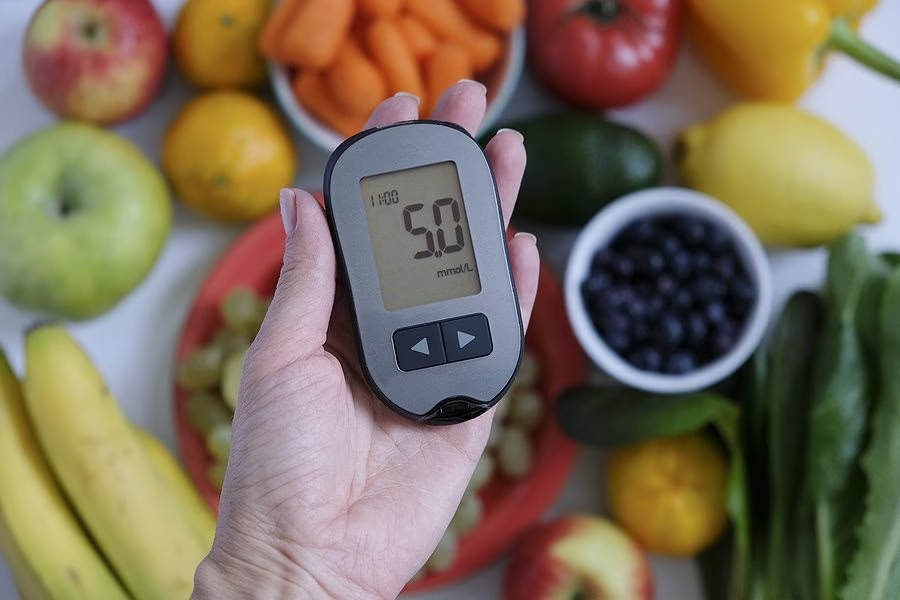
Regular blood glucose monitoring is essential during Ramadan, and importantly, testing your blood sugar does not break your fast. Islamic scholars have confirmed that finger-prick testing and using glucose monitors are permitted during fasting hours.
For individuals at moderate to low risk, monitoring once or twice daily may be sufficient. Those at higher risk should consider following a more comprehensive monitoring schedule that includes checking levels before suhoor, two to three hours after suhoor, at midday, mid-afternoon, before iftar, and two hours after iftar.
Always check your blood glucose if you experience any symptoms of low or high blood sugar, or if you feel unwell.
When You Must Break Your Fast
Your health must take priority. You should immediately break your fast and seek medical attention if:
- Your blood glucose drops below 70 mg/dL (3.9 mmol/L)—there is no guarantee it will not fall further
- Blood glucose exceeds 300 mg/dL (16.7 mmol/L)
- You experience symptoms of hypoglycemia: shakiness, sweating, confusion, dizziness, or rapid heartbeat
- You experience symptoms of hyperglycemia: excessive thirst, frequent urination, or nausea
- You develop dehydration, fever, diarrhea, or any acute illness
Breaking your fast in these circumstances is not only permitted but required under Islamic law, which prioritizes the preservation of health and life.
Nutrition and Meal Planning
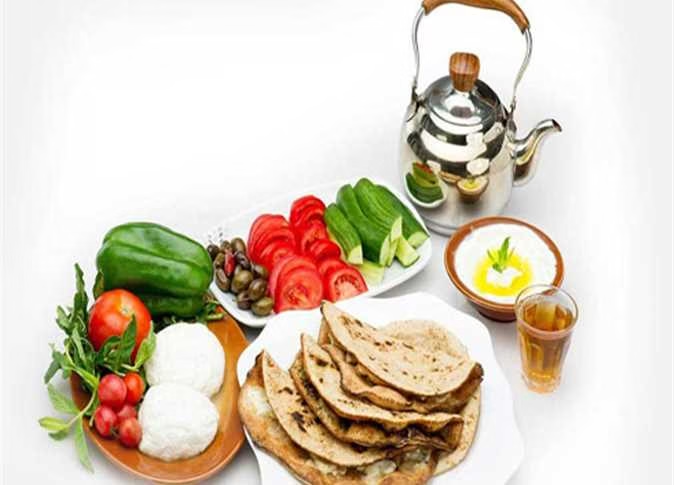
Proper meal planning helps maintain stable blood glucose throughout Ramadan. At suhoor, choose complex carbohydrates that digest slowly, such as whole grains, oats, barley, and legumes. Include protein sources like eggs, yogurt, or cheese, and drink plenty of water. Delay suhoor until just before dawn to shorten the fasting period.
At iftar, break your fast with dates and water as per tradition—dates provide quick but natural energy. Avoid consuming large quantities of food rapidly, as this can cause blood sugar spikes. Choose grilled or baked foods over fried items, include vegetables with every meal, and limit sweets and sugary beverages.
Spread your food intake across two main meals with a light snack in between, rather than consuming everything at once.
Physical Activity Considerations
Light to moderate exercise is generally safe during Ramadan, but timing matters. The best time for physical activity is two to three hours after iftar, when you have had time to eat and rehydrate. Avoid strenuous exercise during fasting hours, as this increases the risk of hypoglycemia and dehydration.
Tarawih prayers, which involve standing, bowing, and prostrating, count as physical activity and should be factored into your daily exercise plan.
Key Takeaways for Managing Diabetes During Ramadan
- Consult your physician six to eight weeks before Ramadan for a pre-fasting assessment
- Blood glucose monitoring does not break your fast—test regularly
- Break your fast immediately if glucose falls below 70 mg/dL or rises above 300 mg/dL
- Choose slow-digesting foods at suhoor and avoid large, rapid meals at iftar
- Stay well hydrated between iftar and suhoor
- Exercise after iftar, not during fasting hours
- Medication adjustments must be discussed with your healthcare provider
When to Consult Your Doctor
Beyond your pre-Ramadan assessment, contact your healthcare provider if you experience:
- Repeated episodes of low or high blood sugar during fasting
- Difficulty managing your glucose levels despite following your plan
- Symptoms of dehydration that do not improve with increased fluid intake
- Any new or worsening symptoms related to diabetes complications
- Uncertainty about whether it is safe to continue fasting
After Ramadan, schedule a follow-up appointment to discuss your experience and make any necessary adjustments to your regular treatment plan.
Jhon Hopkins Aramco Healthcare