
 English

























































































































































































































































































































































































































































































































































































































































































Dubai gold dips on Hormuz jitters

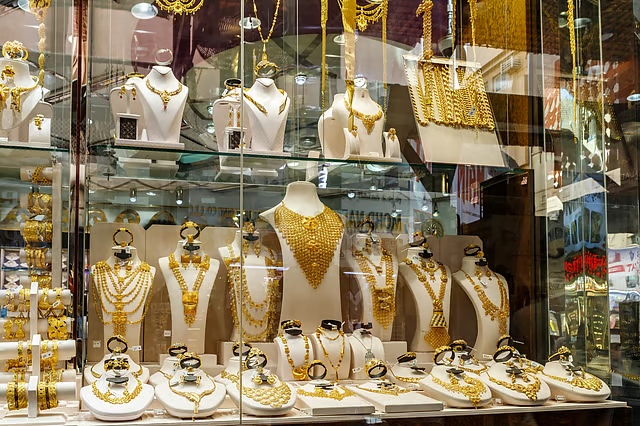
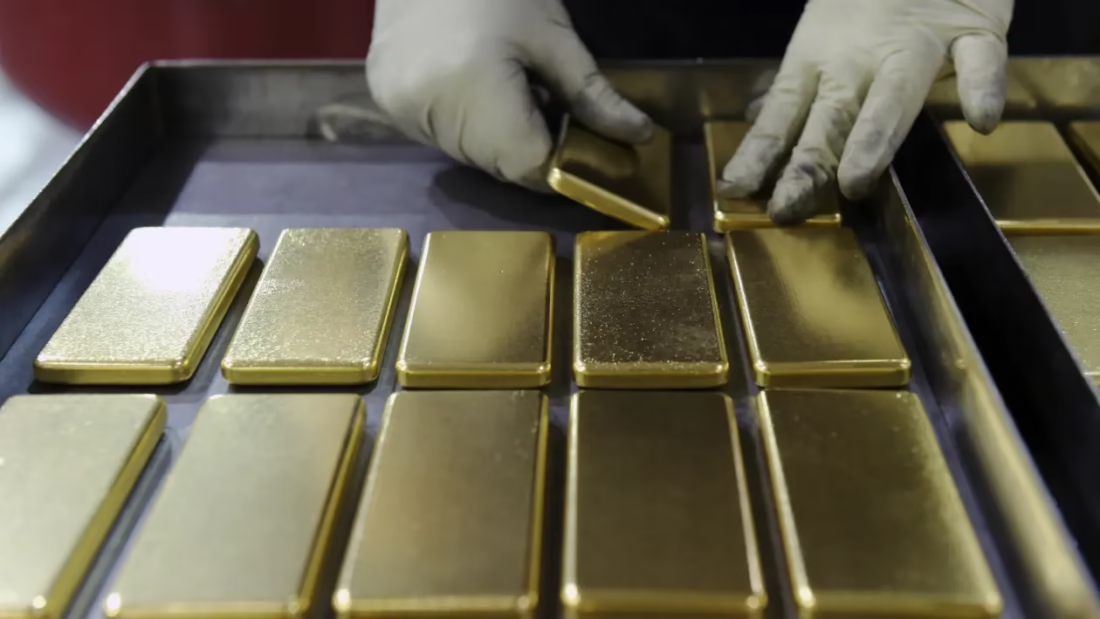
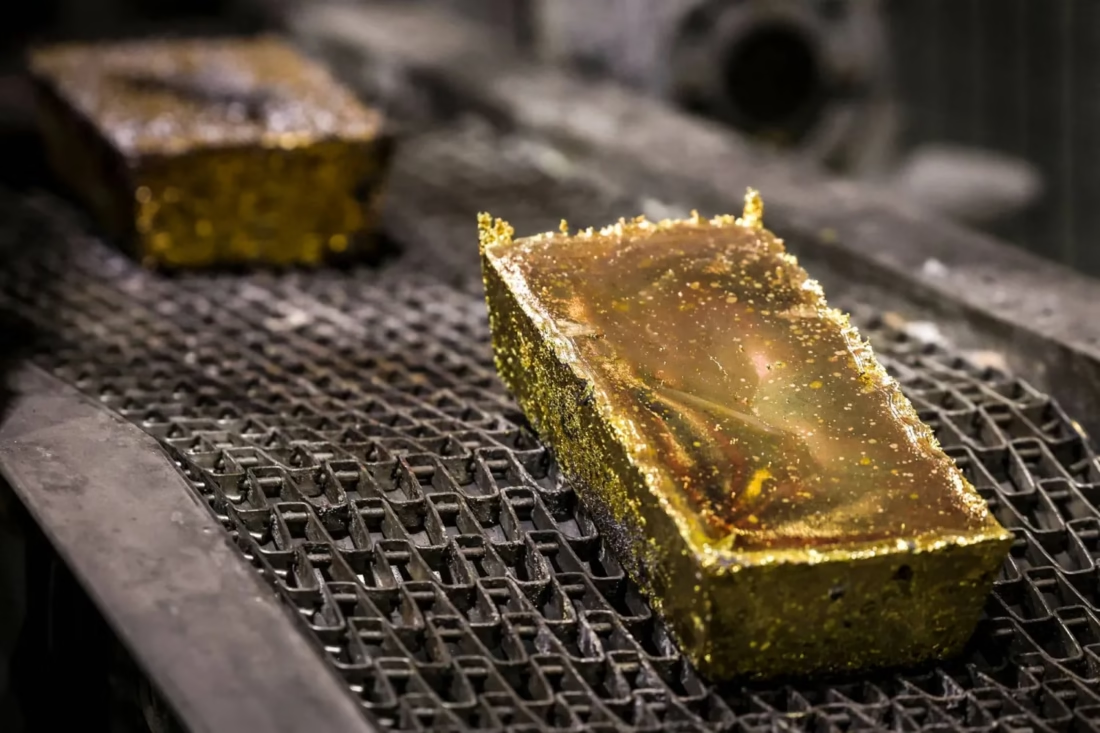
Gold prices in Dubai edged lower on Monday morning, tracking a cautious global market mood shaped by rising geopolitical tensions and renewed inflation concerns.
At 9:19am, 24-karat gold was priced at Dh569 per gram, down from Dh572.25 on Sunday. The 22-karat variant fell to Dh526.75 from Dh529.75 a day earlier, reflecting a steady pullback after last week’s gains.
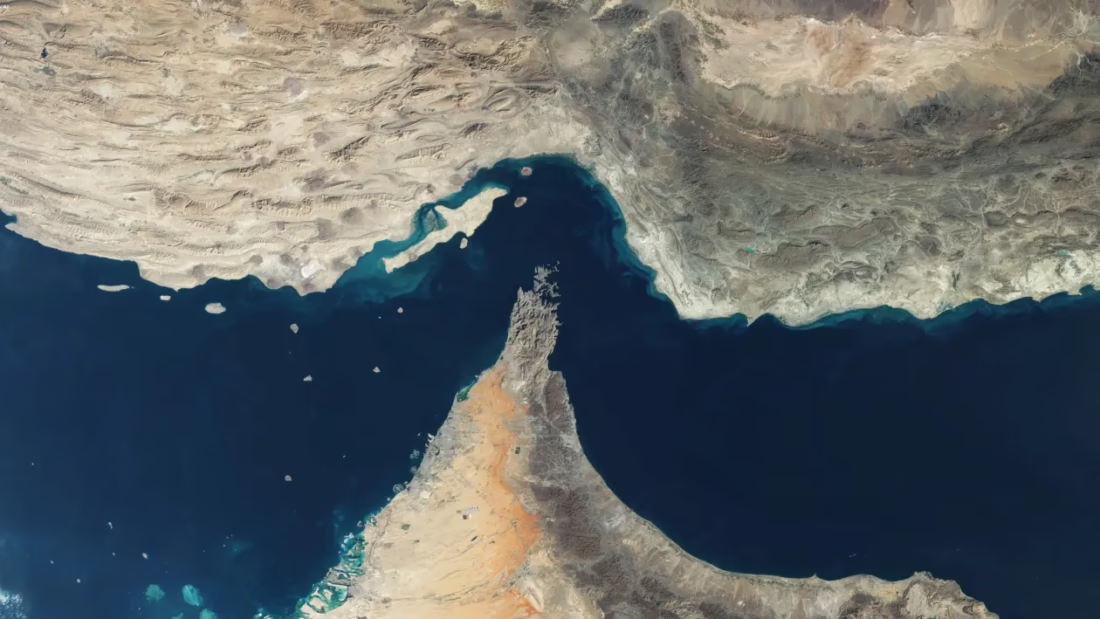
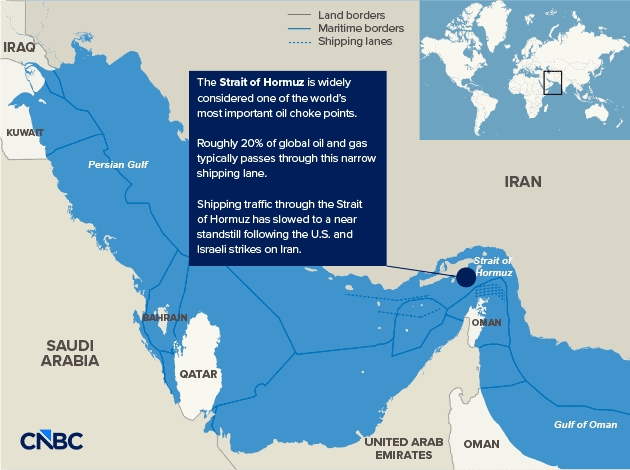
The latest move comes as investors reassess risk across markets following developments around the Strait of Hormuz, with global cues feeding directly into local bullion pricing. (Check latest UAE gold prices here, alongside prices in Saudi Arabia, Oman, Qatar, Bahrain, Kuwait, and India.)
April trend shows uneven recovery
Price action through April has been far from linear, with gold moving in tight ranges before slipping in recent sessions.
The month opened with 24K gold at Dh573 per gram on April 1, before easing into the Dh563 to Dh566 range over the next few days. A brief recovery saw prices climb to Dh577.25 by April 9, marking the highest level this month, before reversing direction again. Since then, prices have softened, with the current Dh569 level reflecting a gradual cooling from those peaks.
A similar pattern has played out in 22K gold, which moved from Dh530.75 at the start of the month to a high of Dh534.50, before easing back below Dh527 in recent sessions.
This pattern points to a market attempting to stabilise, but still reacting sharply to global triggers.
Geopolitics drives cautious tone
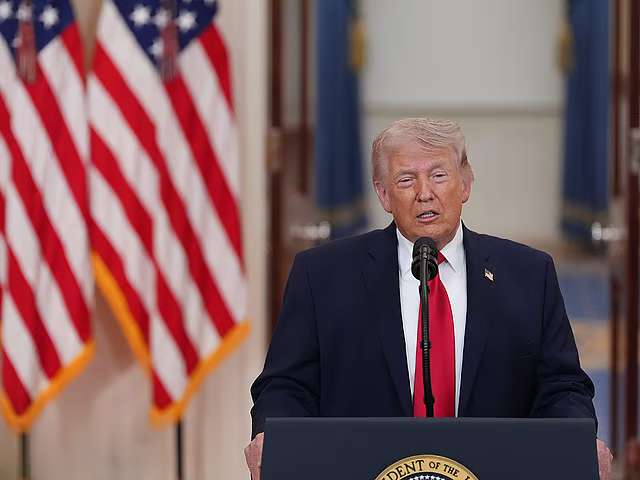
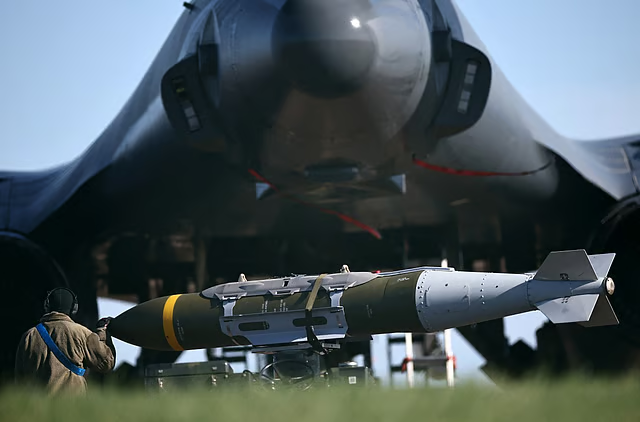
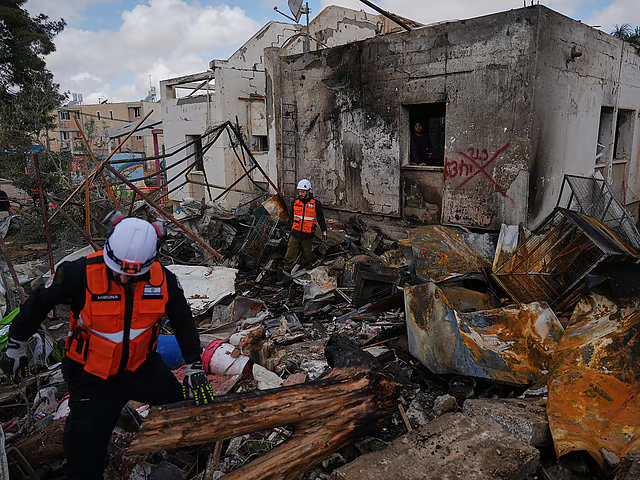
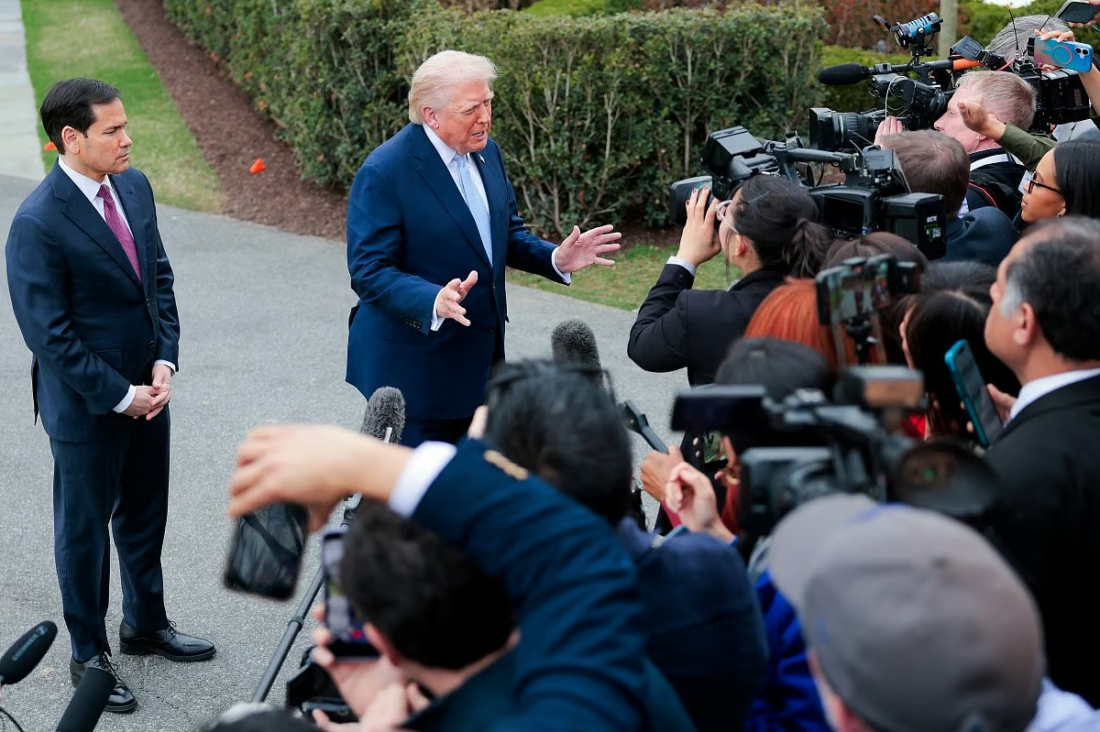
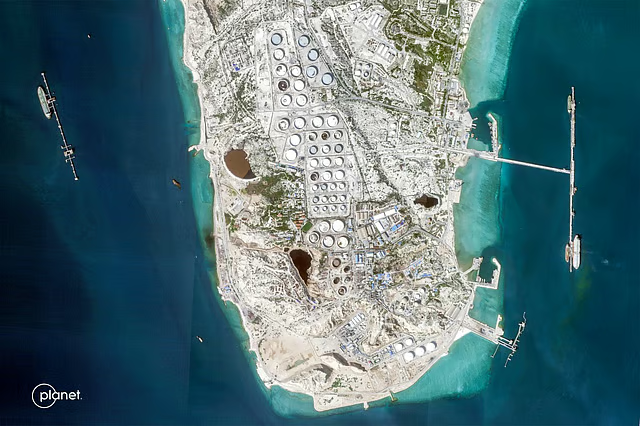
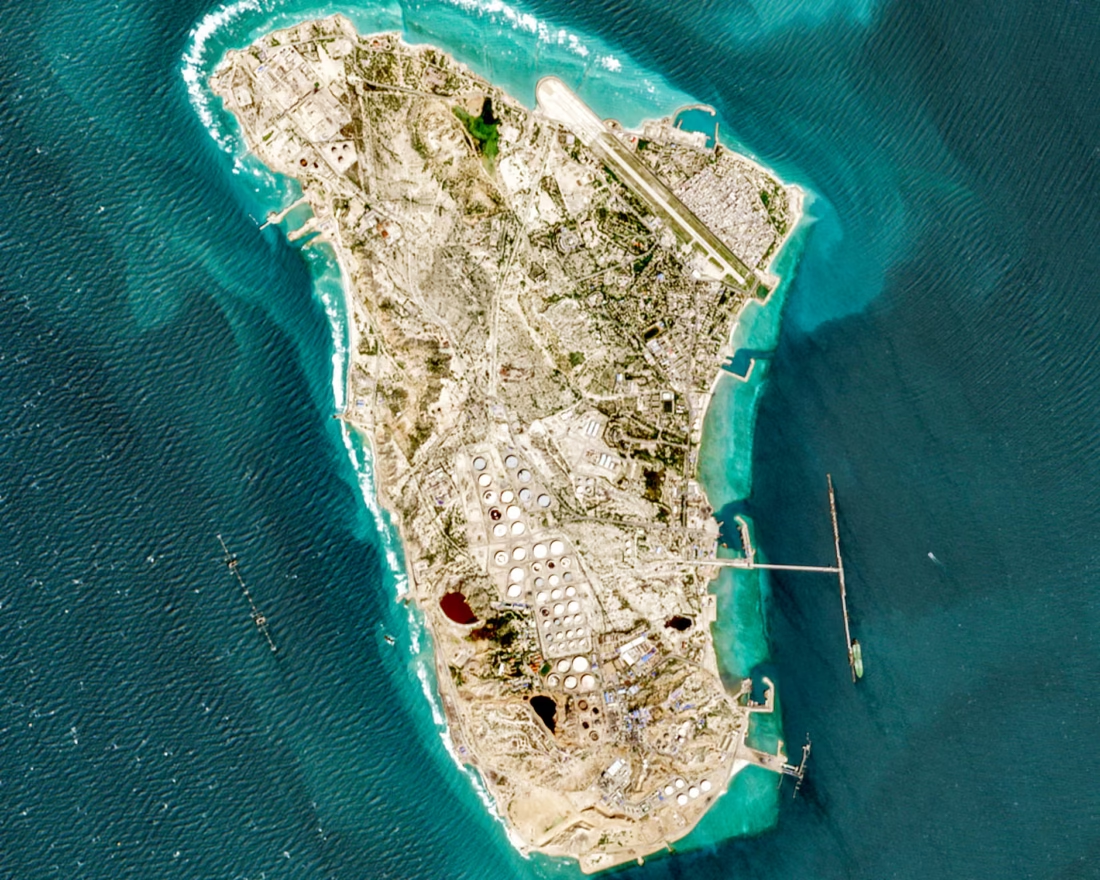
Global markets began the week in a defensive posture after the US signalled plans to blockade the Strait of Hormuz, a key artery for global energy supplies.
Michael Brown, Senior Research Strategist at Pepperstone, said markets are “trading in rather ‘textbook’ risk-off fashion, as participants reach once more for the ‘conflict escalation’ playbook.”
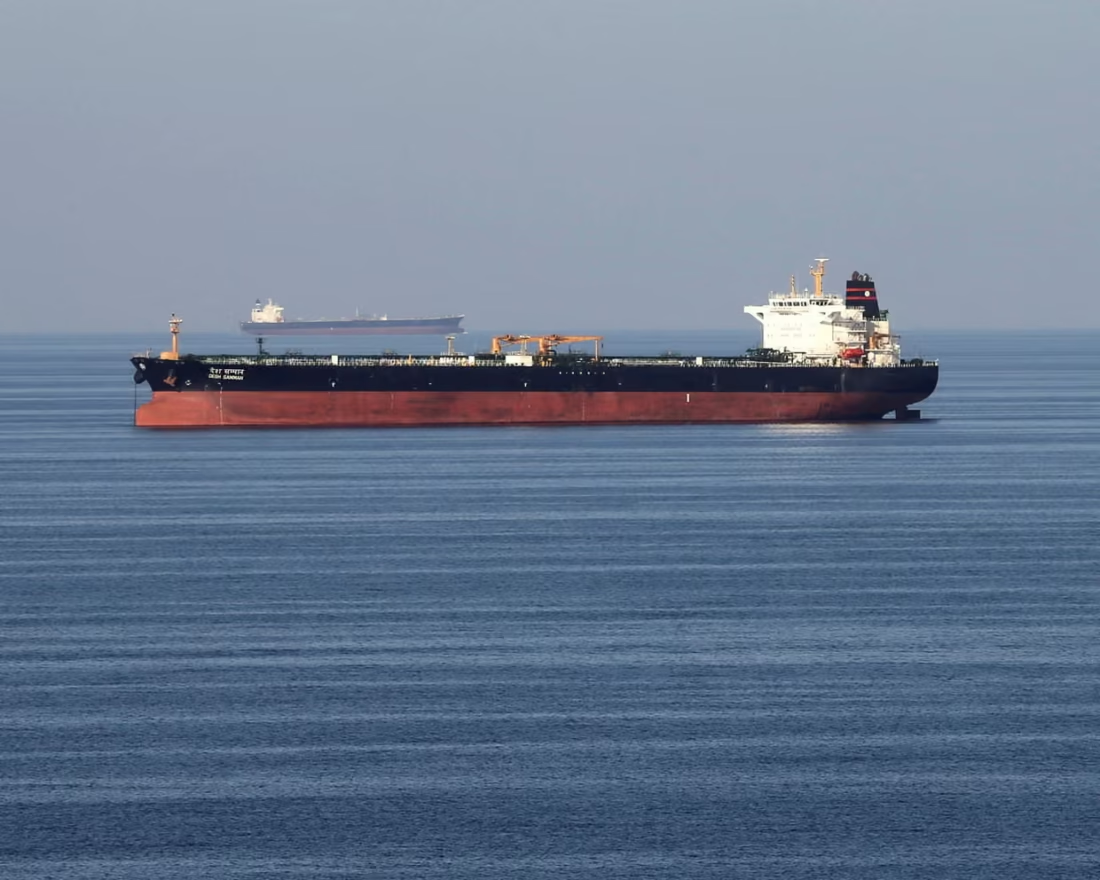
Energy markets have reacted immediately, with crude prices pushing back above $100 a barrel, adding to inflation pressures that are already building across major economies.
Inflation and rates cap upside
Recent US data showed inflation rising at its fastest monthly pace in nearly four years, driven largely by energy costs. That has reinforced expectations that central banks may hold rates higher for longer.
Higher borrowing costs tend to weigh on gold, which does not offer yield, making it less attractive relative to interest-bearing assets.
Brown noted that policymakers are likely to remain cautious, with limited evidence so far of broader inflation spillovers. “The potential for second-round effects remains limited,” he said, pointing to relatively stable core inflation.
At the same time, the dollar has strengthened, adding another layer of pressure on bullion prices globally and feeding into local rate movements in Dubai.
Liquidity and positioning in focus
Gold’s recent moves also reflect broader positioning across markets, where investors have been adjusting exposure amid cross-asset volatility.
Bullion had already seen a sharp correction since late February, falling close to 11% at one stage as investors sold holdings to cover losses elsewhere. While some recovery followed, the current environment suggests that liquidity conditions continue to play a key role in short-term price direction.
GN