
 English















































































































































































































































































































































































































































































































































































































































Depression and physical activity


What mechanisms
Depression is a widespread illness affecting nearly 10% of the population in Western countries. Physical activity has a recognized positive impact.
Half of people with depressive disorders receive treatment, and only a third of those who are treated see their symptoms lessen.
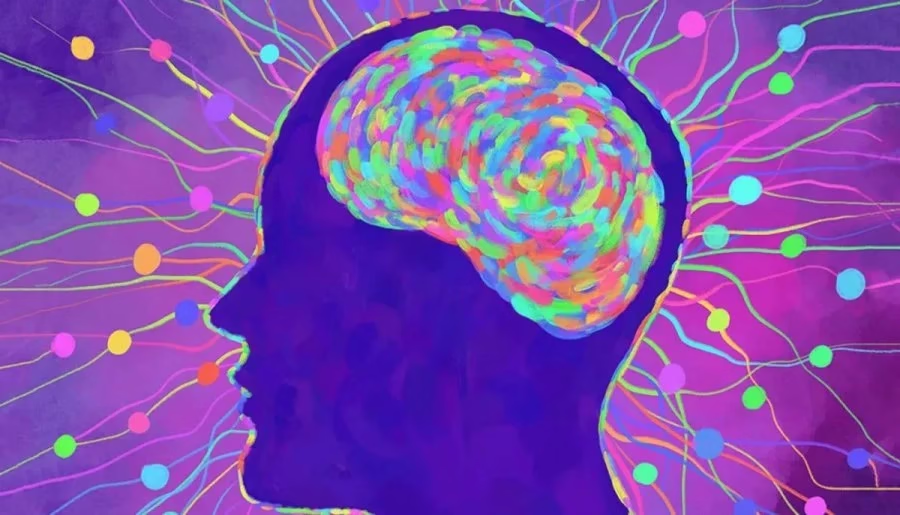
Mood disorders appear to originate from a brain structure called the hippocampus as part of neurogenesis processes that are thought to be disrupted.
Physical activity leads to increased levels of endorphins, specifically beta-endomorphins, which are directly linked to neurogenesis. Endorphins reduce pain and induce a euphoric state.
Phenylethylamine , an endogenous neuroamine (meaning it is secreted only within the body), plays a role in mood, alertness, and physical energy levels. It may also contribute to the euphoria experienced by long-distance runners, a phenomenon previously attributed entirely to endorphins.
Physical exercise increases endothelial growth factor, which is also linked to hippocampal activity.
Also under the influence of physical exercise, the secretion of brain-derived neurotrophic factor (BDNF) plays a major role in the development and survival of neurons. This factor increases with the use of antidepressants, and this increase is much more rapid for those who regularly engage in physical exercise.
Serotonin is involved in the antidepressant effects of physical exercise. Regular physical activity increases the synthesis of enzymes that are precursors to serotonin.
Another consequence of engaging in physical exercise is:
– Stimulation of the endocannabinoid system, which affects analgesia, sedation, and anxiety
– the role of the hypothalamus-pituitary-adrenal axis, with low noradrenaline levels increasing with physical exercise
What am I feeling?
The depressive picture is dominated by sadness and a slowing of mood . These elements are found in speech and necessitate a psychiatric evaluation where the person is invited to express what they are feeling.
A depressive episode can begin with irritability, manifested as an unusual intolerance to noise and the presence of loved ones. The depressed person isolates themselves, their face becomes fixed and less expressive. They are slowed down, withdrawn, and pay less and less attention to their appearance, even neglecting their hygiene. They have fewer and fewer initiatives; they speak, in a monotonous and slow tone, and less and less frequently. A loss of interest in usual activities often marks the onset of depression. Academic or professional difficulties may attract the attention of those around them.
But it is above all the sadness of mood that is characteristic: almost continuous, it colors the pessimistic discourse of the patient, without him being sensitive to humor or a more optimistic environment.
In severe depressions of melancholic intensity (requiring rapid treatment in hospital), the doctor’s attention is drawn to a discourse mixing themes of guilt, incurability and self-devaluation in the patient.
Mental slowing is manifested by indecisiveness, memory problems (occasional and regressive) and concentration problems with disturbed speech and difficulty finding words.
Suicidal thoughts are sometimes (but not always) present and represent a significant risk of suicidal behavior.
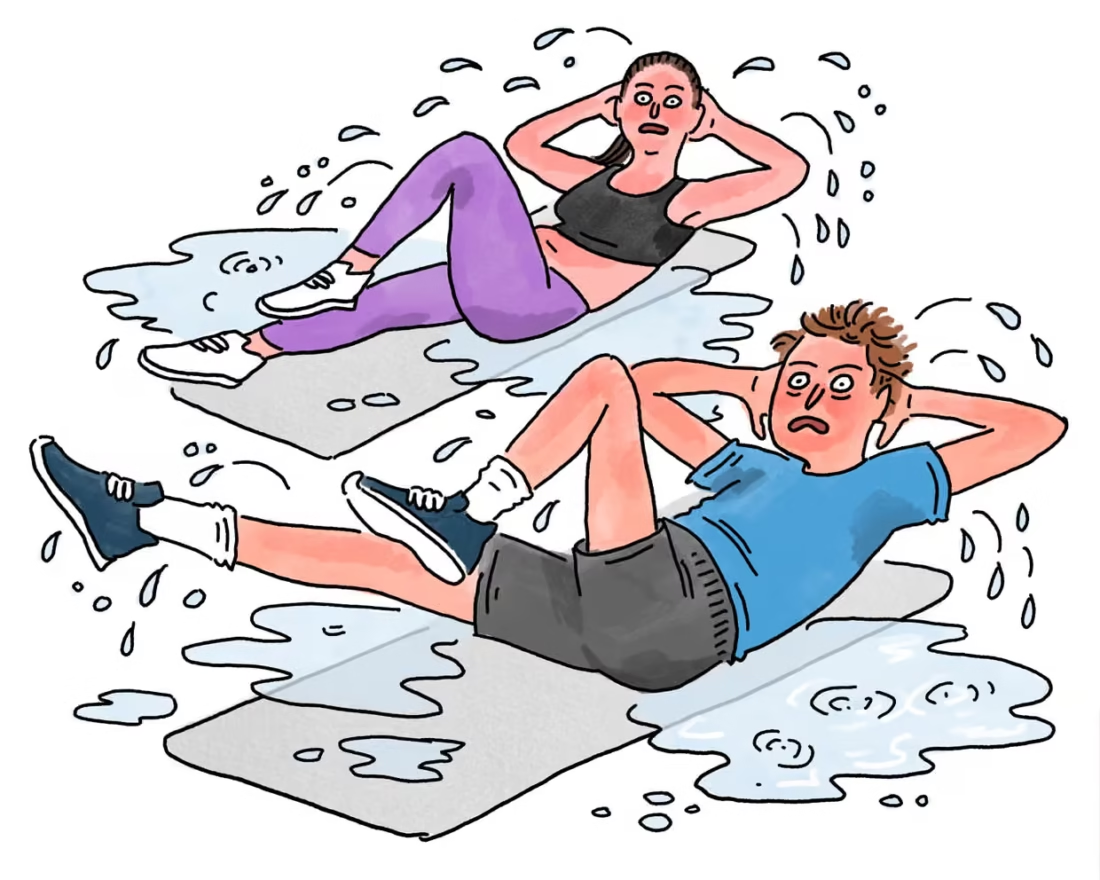
Physical disturbances , often expressed first by the patient, may concern: sleep, with a tendency to take refuge in sleep but with early awakenings; eating, with refusal of food and weight loss; a decrease in libido with frigidity or impotence; various disorders with constipation, orthostatic hypotension, sensitivity to cold and profuse sweating.
Anxiety is most often internalized , but in some patients it can be expressed as anxious agitation punctuated by panic attacks.
In the elderly, depressive episodes may take a form combining amnesia and anxious agitation , without there being an evolution towards dementia.
Psychological mechanisms
Physical activity has a proven antidepressant effect.
Sport and regular physical activity allow you to:
– to escape the problems of daily life and the various constraints that are poorly addressed psychologically. This is typically the anti-stress aspect of physical activity.
– to improve feelings of self-efficacy: depressed people doubt their ability to act, to do something interesting or good. Sports practice allows them to regain confidence.
– Social contact that plays an antidepressant role.
The increase in body temperature due to physical exercise will also improve mood disorders.
The conditions
Endurance exercise, that is, aerobic exercise, has the same effect on depressive symptoms as anaerobic exercise, that is, resistance exercise. It has also been shown that combining both types of exercise has the best effect on depressive symptoms.
Figaro Health