
 English













































































































































































































































































































































































































































































































































































































































































































































































































































































































































































Why Markets Don’t Always React to Big News: A Baking Analogy

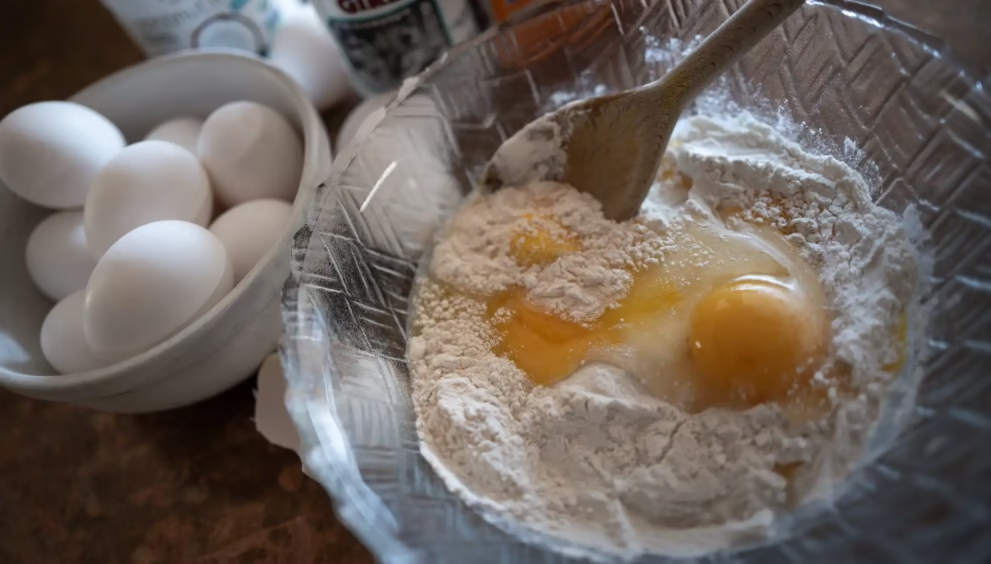
“It was already baked into the market reaction.” It’s something we at Marketplace, and other business news journalists, say when big news happens and the markets don’t seem to care.
But why not?
“I would say that the analogy to baking, when we talk about ‘baked in’ is pretty appropriate,” said Sasha Indarte, a professor of finance at the University of Pennsylvania’s Wharton School.
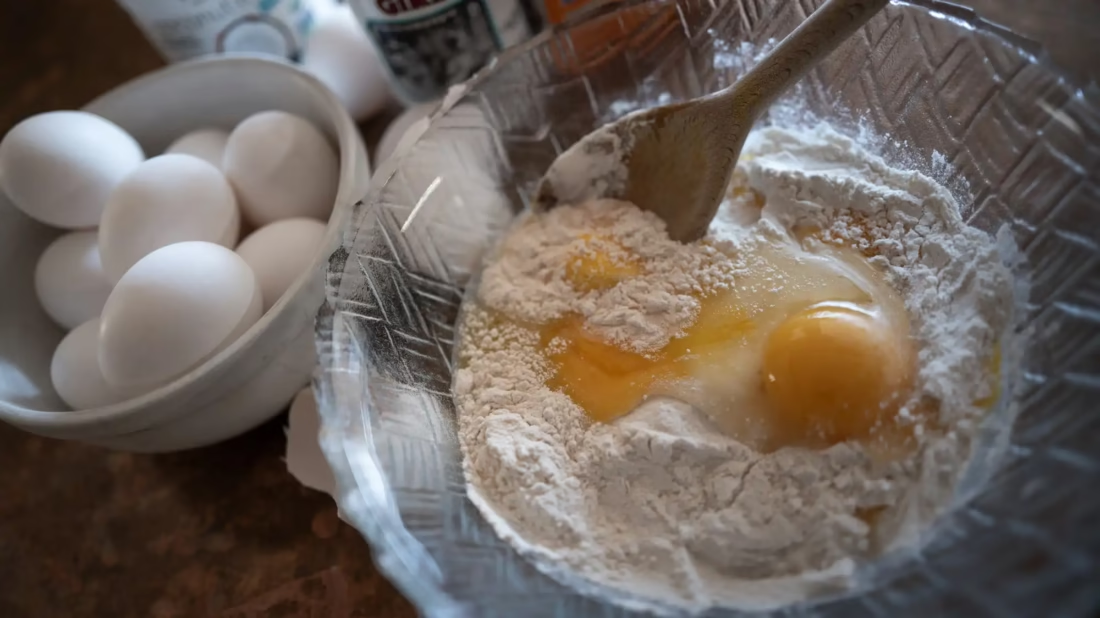
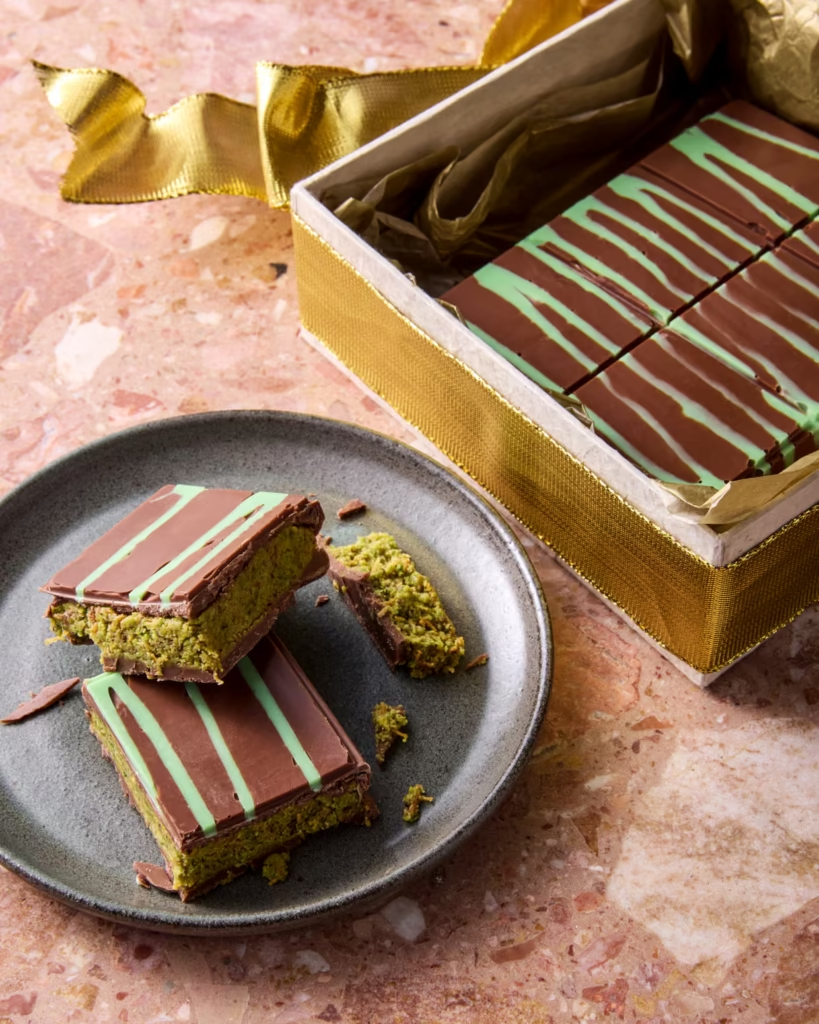
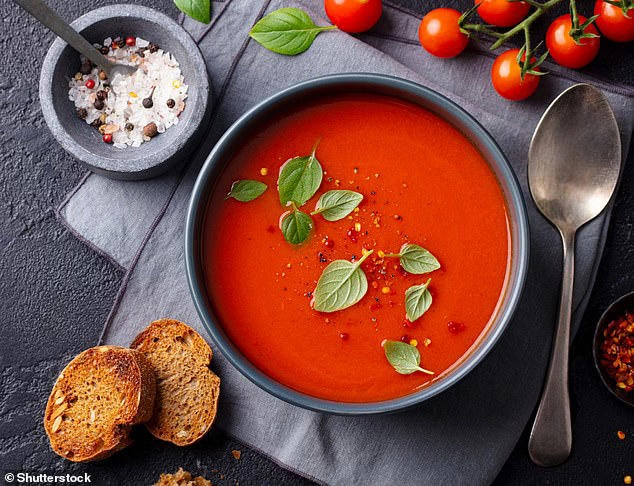
It’s a bit on the nose, but stay with us. Once all the ingredients are mixed together and the cake is in the oven, what’s going to come out when the timer goes off is already decided. It’s baked in.
The market works kind of the same way. Once news — or more accurately, anticipated news — is incorporated by stock market traders and other economic decision-makers, the news isn’t really new when it happens.
“For example, when the [Federal Reserve] makes its announcement about monetary policy rates and the path of monetary policy going forward, we don’t always see a big market reaction,” said Indarte. “Sometimes mortgage rates or stock prices don’t move a whole lot.”
Take the analogy just a hair further: When markets don’t move a whole lot on what otherwise would be big news, it means Wall Street has a pretty good recipe for what the future market is going to look like.
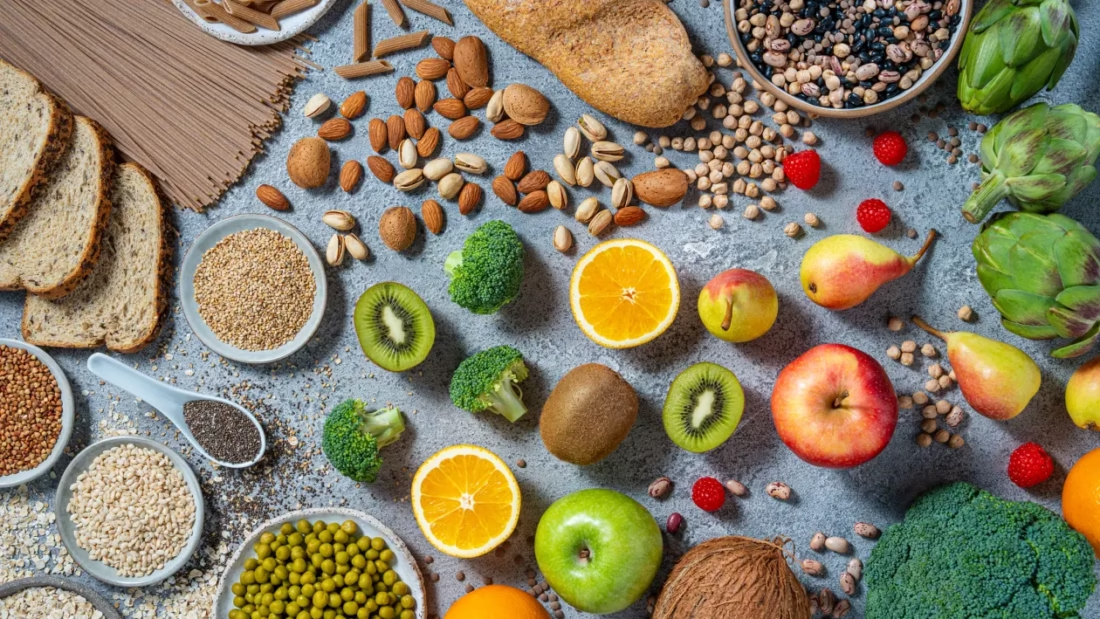
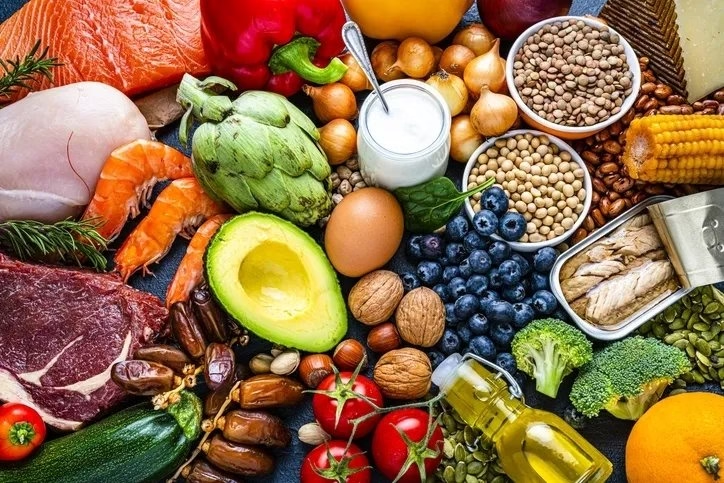
“What are the ingredients here? That would be the data that would be things like job reports, the latest inflation numbers,” Indarte said.
Right now, traders are baking in the January jobs report, the latest consumer price index, the personal consumption expenditures price index, and tons of other data points they might use to, say, take a guess at what the Fed is going to do in March at their next interest rate-setting meeting.
And all those ingredients taken together? When mixed, they make a forecast. And that’s kind of like the batter, Indarte said. So long as they get the batter right, when the Fed announces interest rates, there’s not going to be a big market reaction.
But, as anyone who’s baked can probably relate to, sometimes you get the batter wrong.
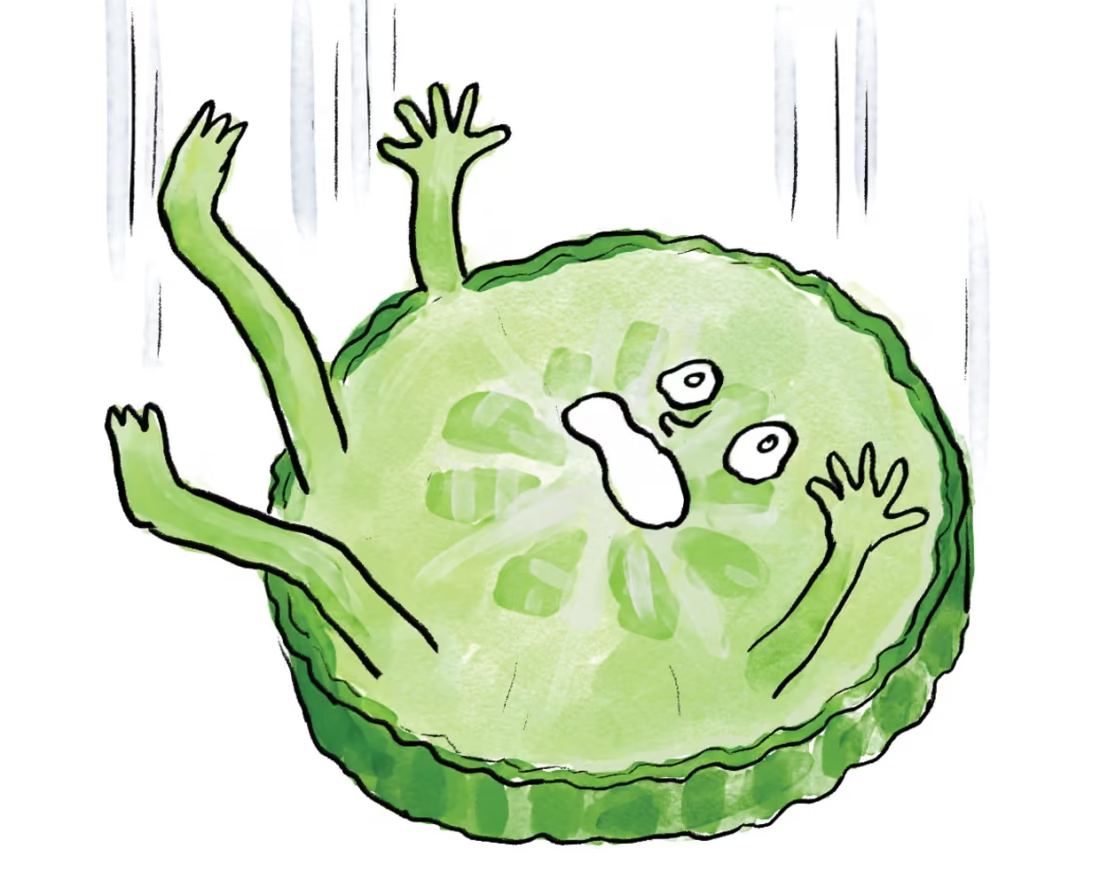
“If we forgot a crucial ingredient, maybe if we overlooked house prices, then our cake might fall flat,” Indarte said.
Get the ingredients wrong or leave one out, and what comes out of the oven might be a surprise. It happened at the beginning of the pandemic: Nobody had an emergency interest rate cut on their list of ingredients in March 2020, and traders reacted with extreme volatility.
But there’s nuance, too. Sometimes it’s not that you’ve got the wrong ingredients, it’s that the measurements aren’t right.
“You could have the same people looking at the same information, but if we can’t agree on how to put that information together, if we have different narratives about the significance of the jobs numbers versus consumer sentiment and so on, we can come up with different forecasts,” Indarte said.
And lately, between government shutdowns that have delayed the release of data reports and staffing cuts at the very agencies that produce those reports, we’re kind of just eyeballing the ingredients.
“If you don’t have a complete recipe — maybe you have all the right ingredients in front of you, but you don’t know the proportions,” said Indarte. “You might have had a chance to get to the right recipe, but if you’re if you’re missing maybe the knowledge or skills in order to get there, then it might not work out.”
That’s all to say, a cake is only as good as its recipe and a forecast is only as good as its parts. At the end of the day, it’s all about the quality of the ingredients.
Market place