
 English


















































































































































































































































































































































































































































































































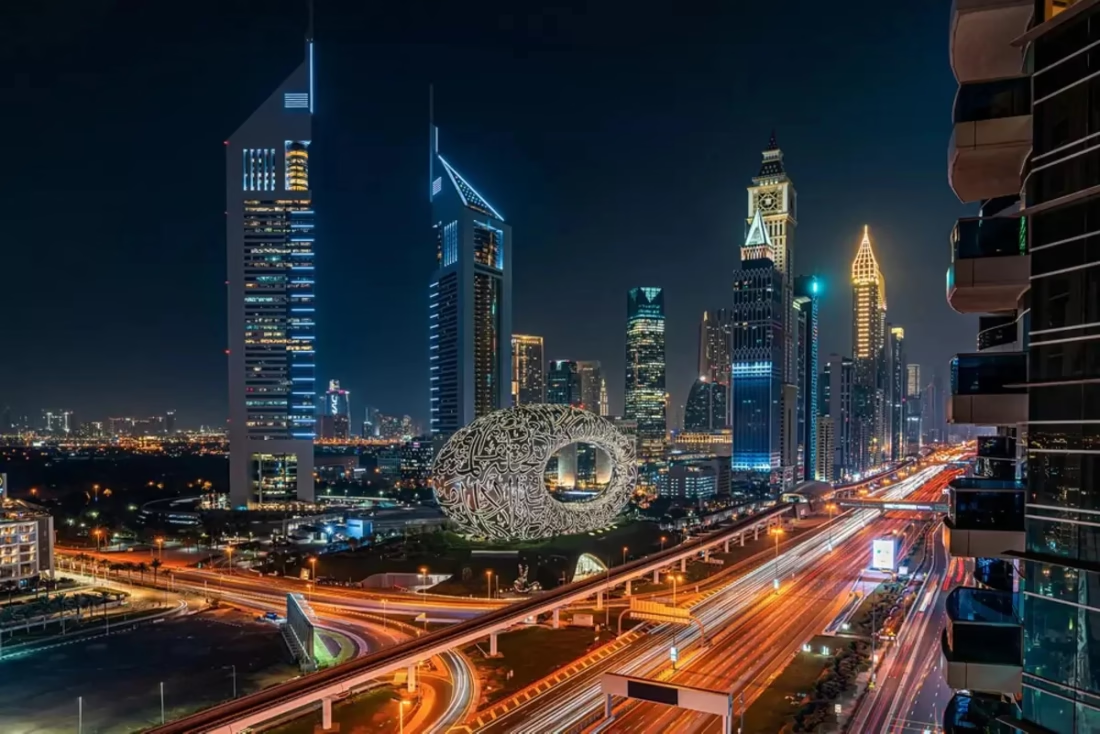











































































Your Dubai beach experience is going to change.

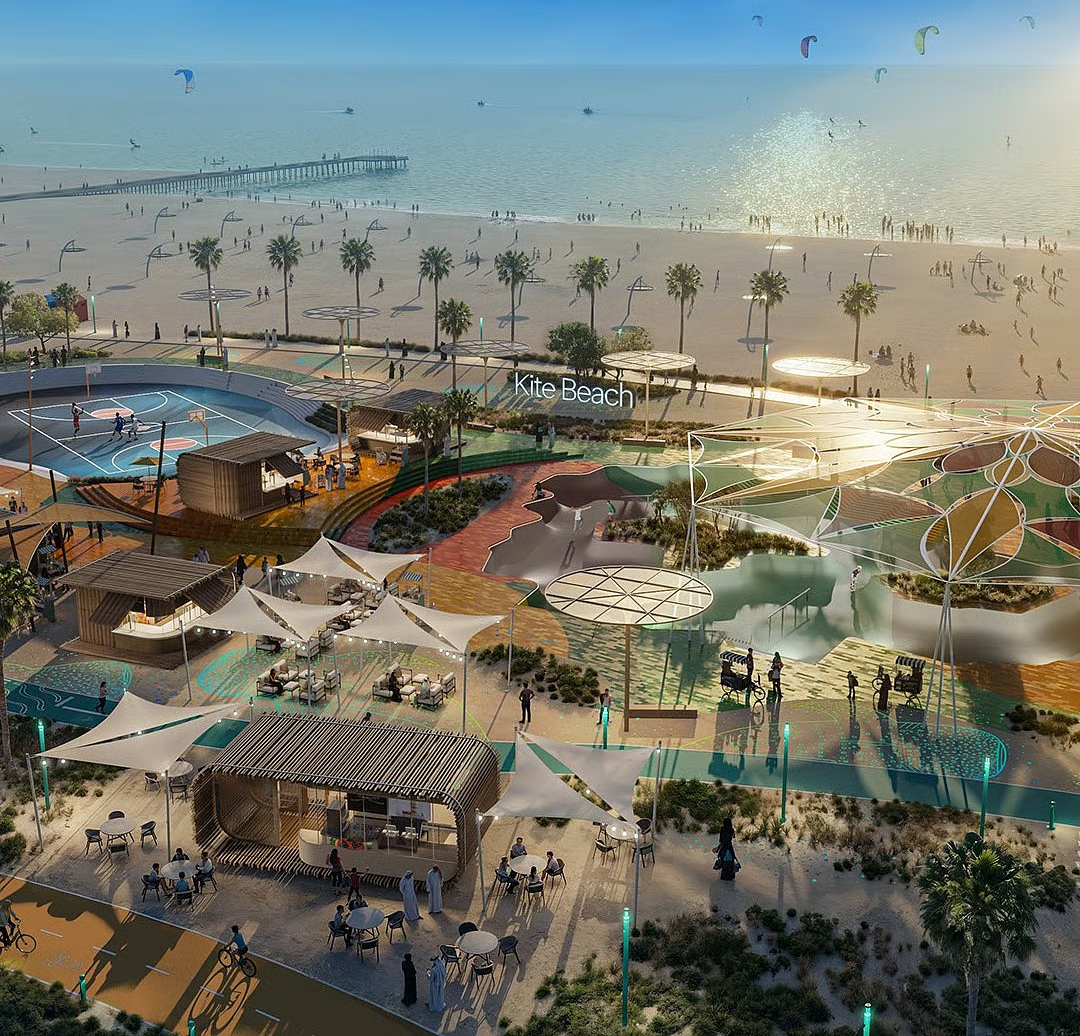
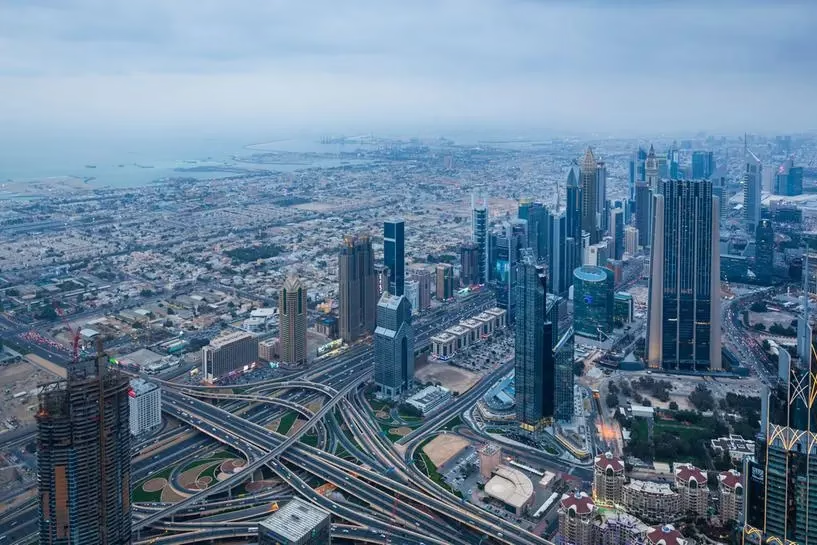
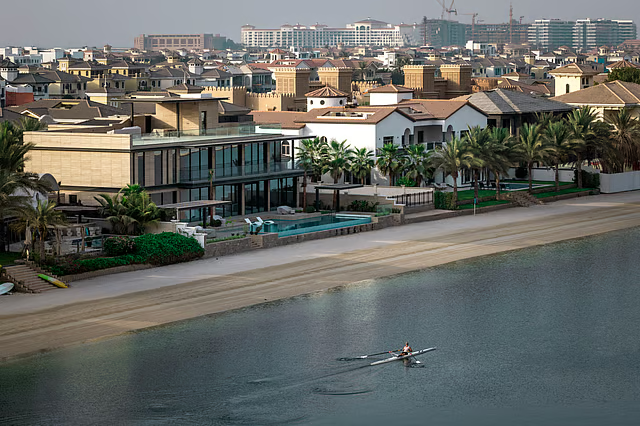
The way you experience Dubai‘s beaches is about to change dramatically.
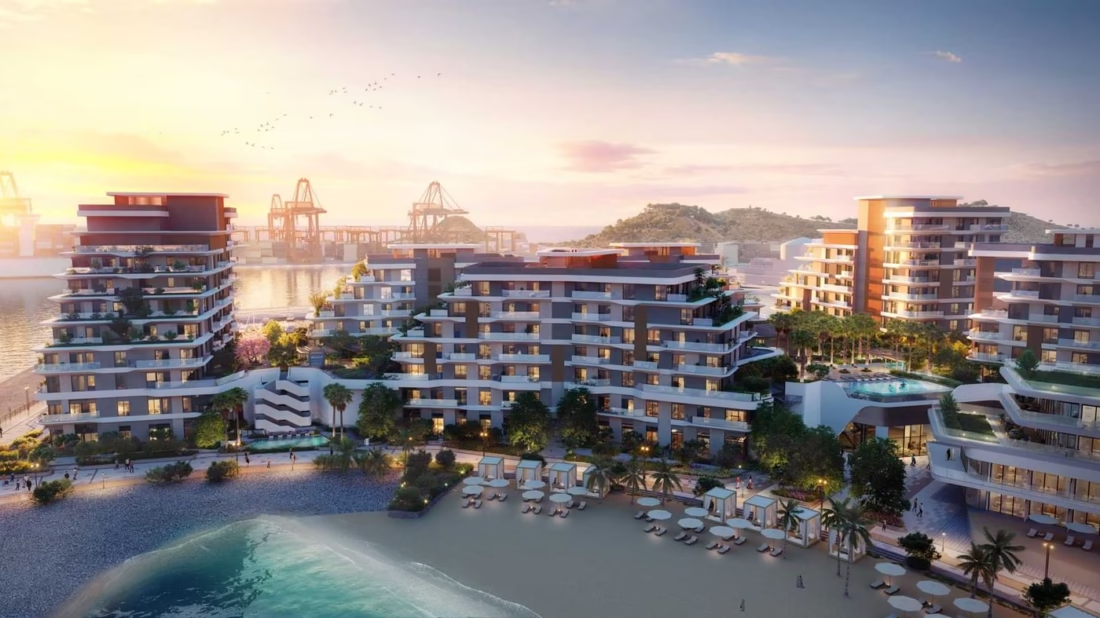
Picture this: More night swimming options under smart lighting systems, AI-enabled rescue technology watching over you, a 38-metre observation tower offering panoramic coastal views, a beach exclusively dedicated to women and an artificial beach nestled in the mountains with its own artificial lagoon.
That’s not all. Dubai will see three new beach destinations coming up annually, promoting active lifestyles and enhancing public access to natural environments.
Not distant dreams
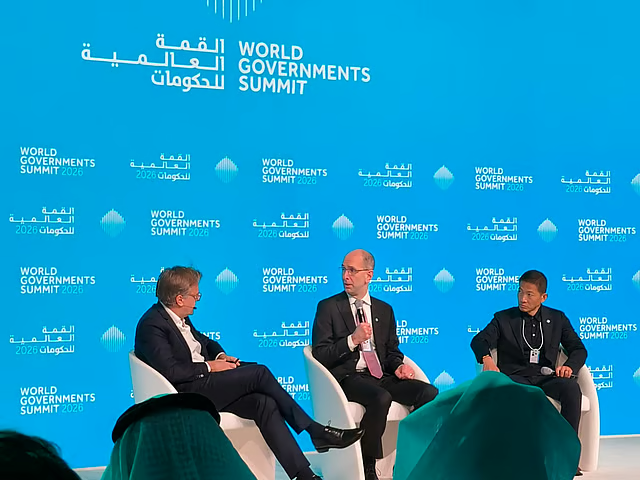
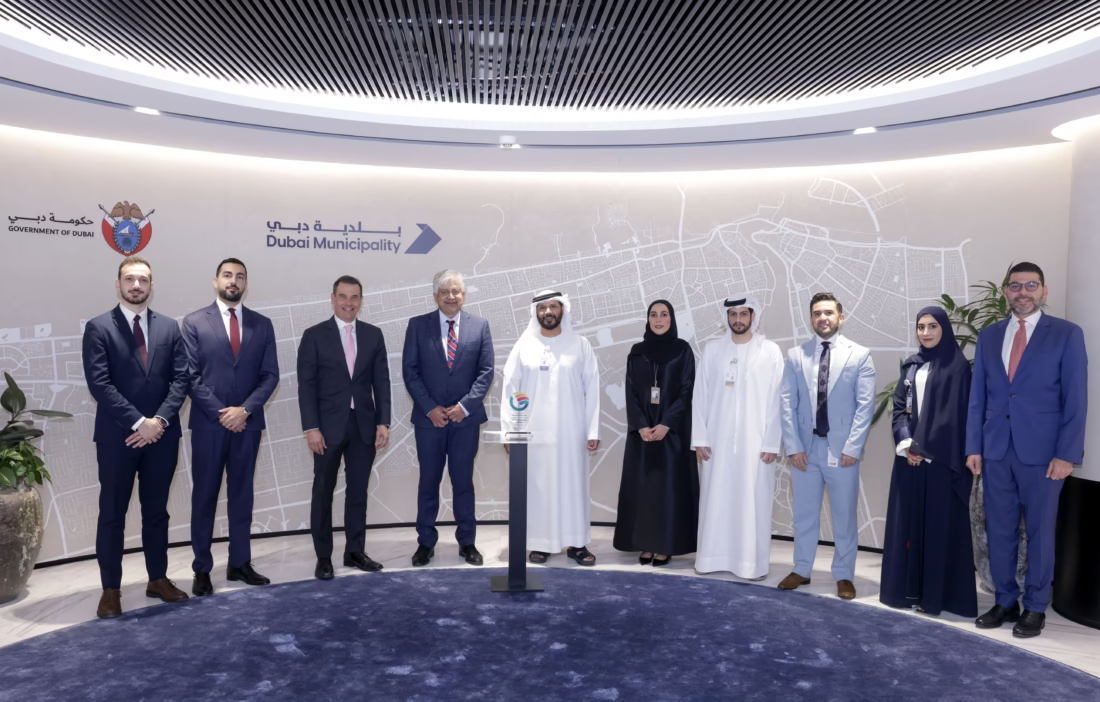
These are not distant dreams. Some are part of major beach development projects that are reshaping Dubai’s coastline right now and the rest will take shape within just four years as part of the 2030 Blue and Green Spaces Roadmap, launched by Dubai Municipality during the World Governments Summit (WGS) 2026 that concluded on Thursday.
And the wait is nearly over: the redeveloped Jumeirah Beach 1 is expected to be the first to officially open this month.
The transformation spans from the city’s most popular coastal stretches to the mountain enclave of Hatta, where an artificial Crystal Lagoon will create an entirely new concept of beach life. The Dh500 million overhaul of Umm Suqeim Beach, approved on February 1, stands as one of the most ambitious public beach upgrades Dubai has attempted.
Meanwhile, Al Mamzar Beach Corniche continues its buildout as part of a Dh355 million programme that includes a floating pedestrian bridge, and Hatta’s beach project promises to redefine what a ‘beach destination’ means in Dubai.
All-new roadmap
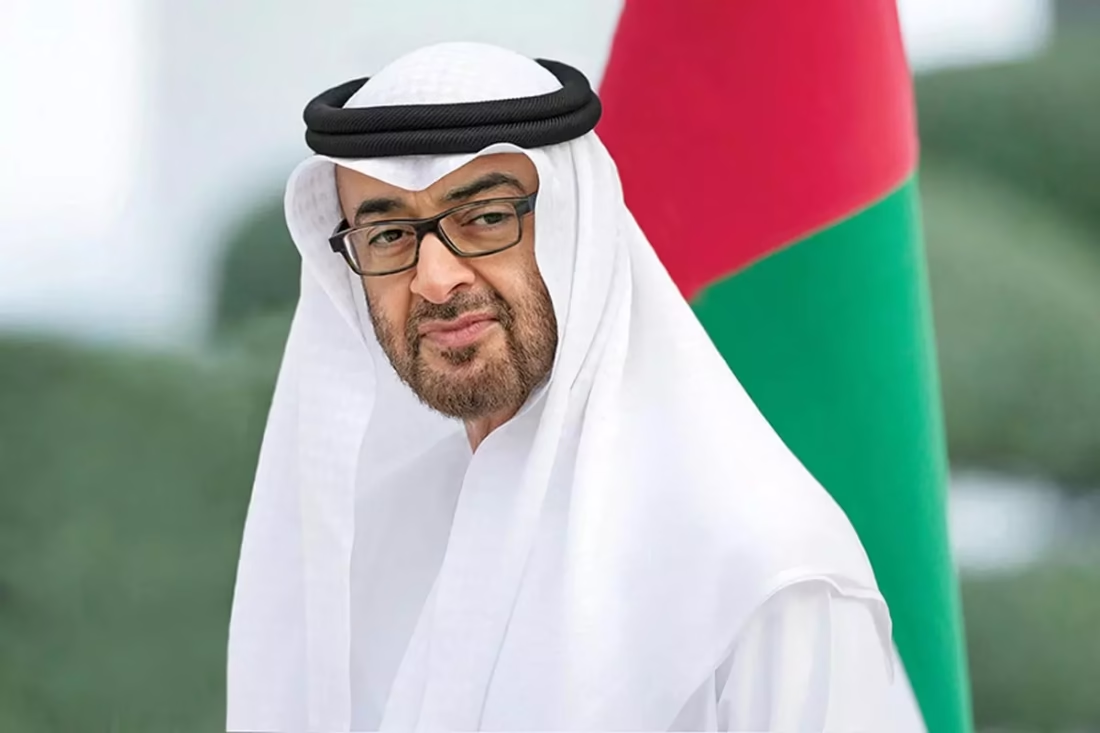
All four projects are part of the Dubai Master Plan for Public Beaches, unveiled by His Highness Sheikh Mohammed bin Rashid Al Maktoum, Vice President and Prime Minister of the UAE and Ruler of Dubai in May 2023.
At WGS, he reviewed the all-new 2030 Blue and Green Spaces Roadmap which includes a portfolio of projects valued at more than Dh4 billion.
As part of this, Dubai Municipality will increase beach facilities, services, and amenities by 400%, expand public beach capacity by 150%, and extend the length of beachfront walking, jogging, and cycling tracks by 285%, in line with the emirate’s comprehensive public beach development master plan.
The vision is transformative: increase public beach length from roughly 21km to 105km. The initial phase alone targets 54km of beaches for development.
The plan also aims to expand services offered by 300 per cent, with strong emphasis on accessibility, including facilities for People of Determination (PoD), and integration of multi-use walkways, cycling paths and recreational zones that meet global standards.
Already, 90 per cent of Dubai beaches are fully accessible to PoD and the Municipality has activated an emergency evacuation system for them at Al Mamzar Beach.
Jumeirah Beach 1 to open soon
The project integrates pedestrian, cycling and jogging paths designed for active, healthy use alongside revamped recreation spaces fitted with modern amenities. Smart technologies feature prominently – Wi-Fi, electronic displays, smart lockers and AI-powered rescue services are all part of the package.
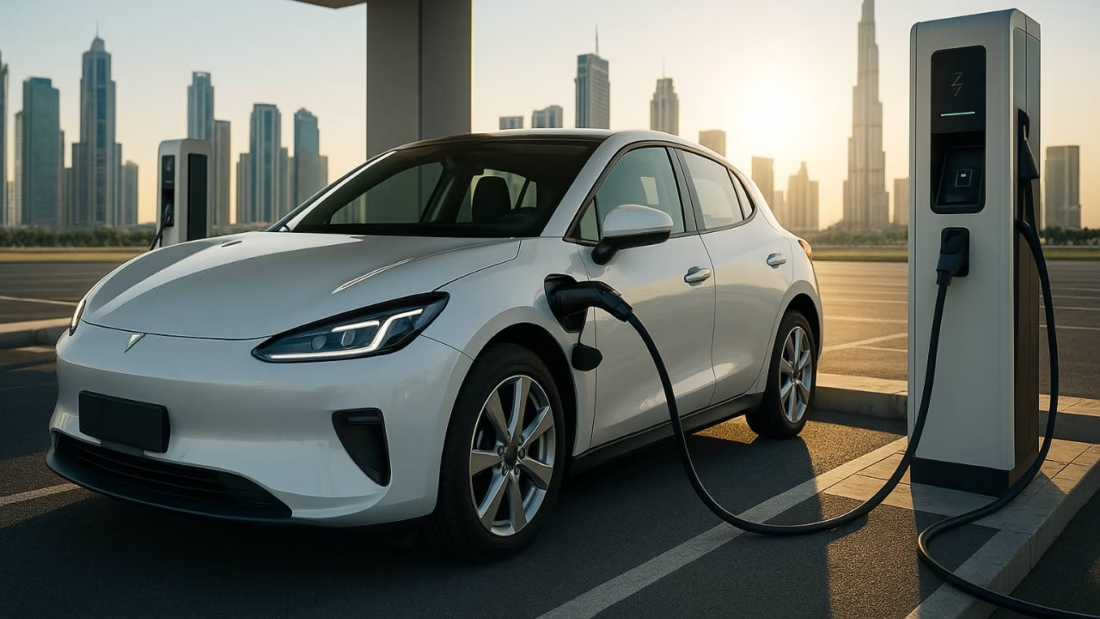
Climate-ready measures have also been built in, with roughly 250,000 cubic metres of sand added to raise and protect the beach against future environmental challenges. EV charging stations and expanded service offerings round out the facilities.
Al Mamzar gets floating bridge
As part of the Dh355 million combined programme previously announced, Al Mamzar Beach Corniche is undergoing comprehensive improvements that include new play areas, pedestrian and cycling tracks, and enhanced public services.
The projects include Dubai’s first beach dedicated 24/7 to night swimming in Deira, spanning 300 metres. Additional features include a 5km pedestrian path connecting the two beaches, 11km of cycling and running tracks surrounded by trees, and a 200-metre-long floating bridge connecting both sides of Al Mamzar Corniche, the first of its kind in the emirate.
The floating pedestrian bridge stands out as one of the most distinctive features planned for the area, designed to create unique waterfront connectivity and viewing experiences.
Women-only beach
Spread over 125,000 square metres and spanning 80 metres across, Al Mamzar Corniche will feature a dedicated public beach for women.
Keeping privacy and safety factors paramount, the facility will include a secure gated entrance and fencing. The ladies beach will also enable night swimming and offer tailored amenities such as a sports club, commercial services, and children’s play areas.
Umm Suqeim’s Dh500m transformation
The Dh500 million master plan to redevelop Umm Suqeim Beach, approved by Sheikh Hamdan bin Mohammed bin Rashid Al Maktoum, Crown Prince of Dubai, Deputy Prime Minister and Chairman of the Dubai Executive Council, in early February 2026, is set to turn the location into an iconic, year-round leisure and tourism destination.
Covering 3.1km of beachfront, a total area of around 445,000 sqm, the beach area itself will increase by about 30 per cent, and the site is designed to welcome up to 6 million visitors annually.
Smart lighting will be installed across 130,000 sqm, enabling safer evening and night use. Parking capacity will jump by 200 per cent to roughly 2,400 spots, complemented by upgraded road access.
Ten mobility hubs and 11 taxi pick-up and drop-off points will improve connectivity, while dedicated cycling infrastructure and EV and scooter facilities support sustainable transport.
Unique observation tower
A 38-metre observation tower inspired by Dubai’s maritime heritage will serve as a visual icon for the beach, offering visitors panoramic views of the coastline.
AI-powered monitoring and operational systems will enhance safety and efficiency across the site.
Engineering works, including retaining walls and raised beach levels, have been designed to adapt to sea-level rise, with sustainable design principles integrated throughout the public space enhancements.
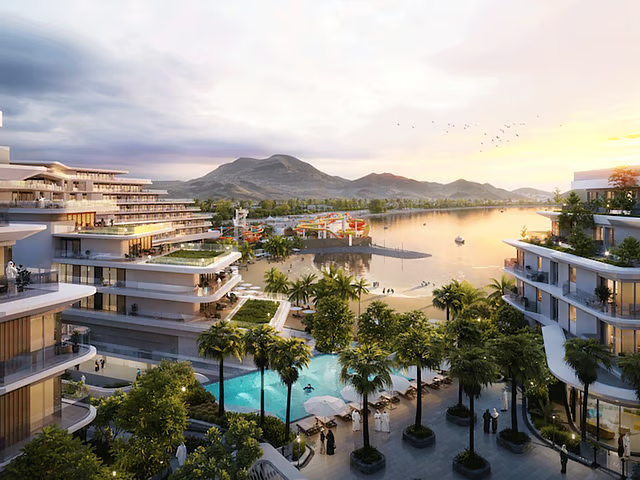
Hatta’s mountain beach
Approved by Sheikh Hamdan in January 2024 as part of broader development initiatives for Hatta, the project covers about 53,000 sqm of waterfront area.
The beach itself spans roughly 10,000 sqm and sits alongside the planned artificial lagoon, creating a unique all-season tourism and lifestyle destination.
Amenities include service facilities, rest areas, pedestrian pathways, cycling tracks, restaurants, food trucks, an outdoor cinema and infrastructure for swimming and water sports. The project is designed to attract families, residents and visitors year-round, moving Hatta beyond seasonal tourism.
Night swimming proves a hit
Dubai’s experiment with 24/7 beaches has already proven wildly popular and that success is driving the expansion. The three night-swimming beaches currently operating – Jumeirah 2, Jumeirah 3 and Umm Suqeim 1 – attracted roughly 1.5 million visitors within just 18 months of opening, according to Dubai Municipality data.
The numbers tell officials what beachgoers already know: Dubai’s coastline doesn’t have to shut down when the sun sets. The new developments are designed to capitalise on this trend, with smart lighting systems and AI-powered monitoring enabling safe use well into the night.
The 24/7 model is now being built into several upcoming beach openings, reflecting a fundamental shift in how residents and tourists use Dubai’s coastline, as vibrant hubs for leisure, dining and socialising around the clock.
While beaches worldwide close at sunset, he pointed out that Dubai changed regulations to allow nighttime access, taking extra safety measures to accommodate tourists arriving at all hours. The initiative has since been adopted by other cities, he highlighted.
GN