
 English


















































































































































































































































































































































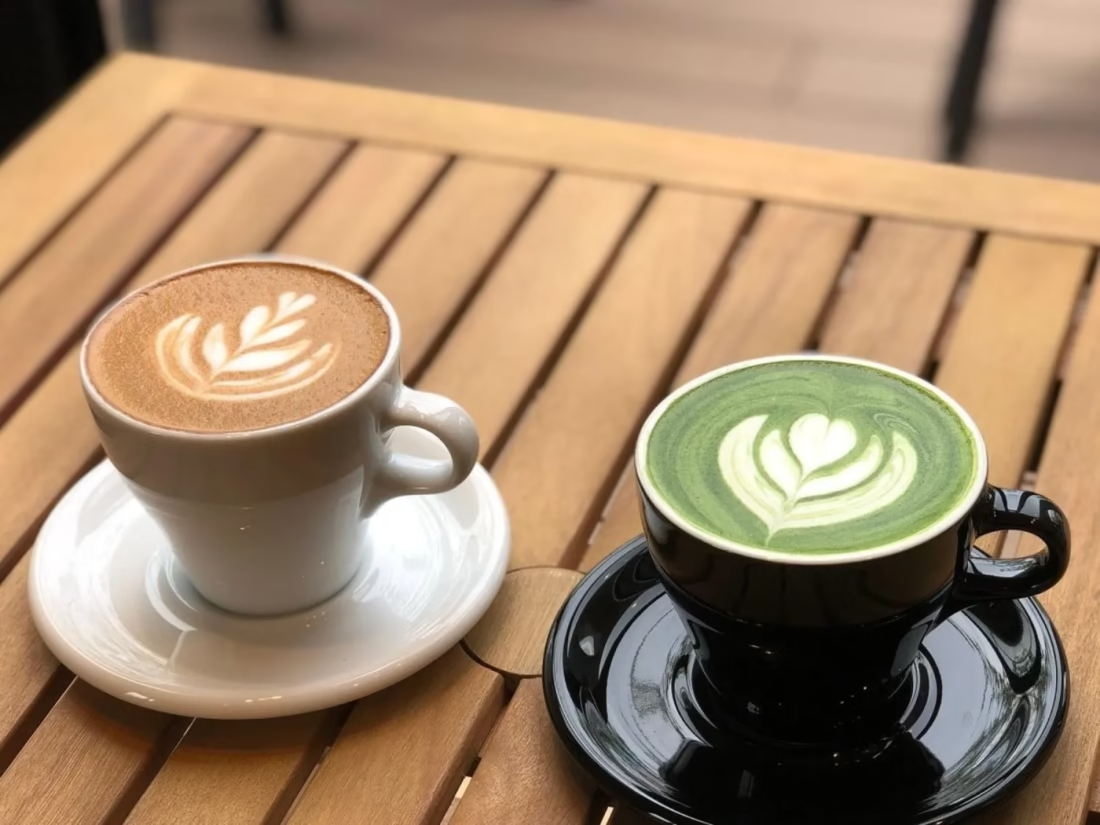


































































































































































































































































































































Matcha vs Coffee: Which Is Better?

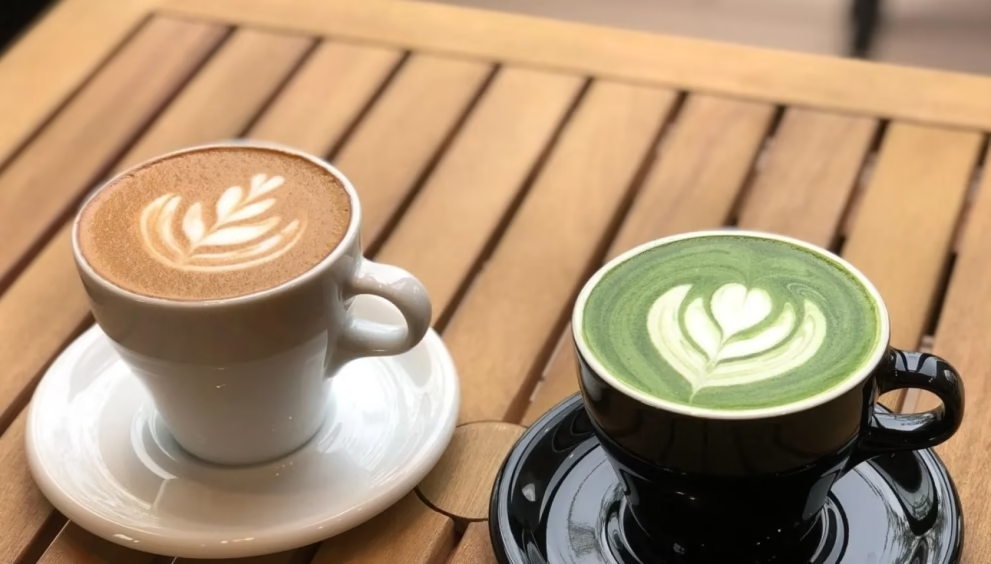
Millions of people turn to caffeinated beverages daily in search of an energy boost to help them focus and accomplish their tasks. Coffee and matcha are among the most popular choices.
While coffee is known for its quick and powerful effect thanks to its high caffeine content, matcha is known for its more balanced and sustained effect.
A report published by the scientific website Verywell Health reviewed the differences between matcha and coffee in terms of their effect on energy levels, concentration, and general health, in an attempt to answer the question: Which provides energy that lasts longer without unpleasant side effects?
What are the main differences between coffee and matcha?
Caffeine content
A typical cup of coffee contains about 95 mg of caffeine , noting that the caffeine content may vary depending on the brand and method of preparation.
In contrast, the caffeine content of a single cup of matcha ranges from 40 to 90 mg. The caffeine content depends on factors such as the amount of powder, the type of leaves used, and the preparation method.
The effect of caffeine on the body may differ between coffee and matcha.
level of alertness
Coffee provides a faster boost of alertness; its high caffeine content inhibits the sleep-inducing hormone adenosine more quickly than matcha. This is one reason why some people prefer to drink coffee before going to work or doing their morning exercise.
However, the effect of instant coffee may wear off quickly, causing a noticeable drop in energy.
Matcha, on the other hand, provides the body with energy in a slower and more sustainable way.
Matcha contains the amino acid theanine, which has calming effects that may help slow down and balance the stimulating effect of caffeine.
What are the health benefits of both drinks?
Coffee reduces the risk of heart disease , diabetes , and liver disease. It acts as a natural stimulant, may benefit brain health, boosts metabolism, and reduces appetite.
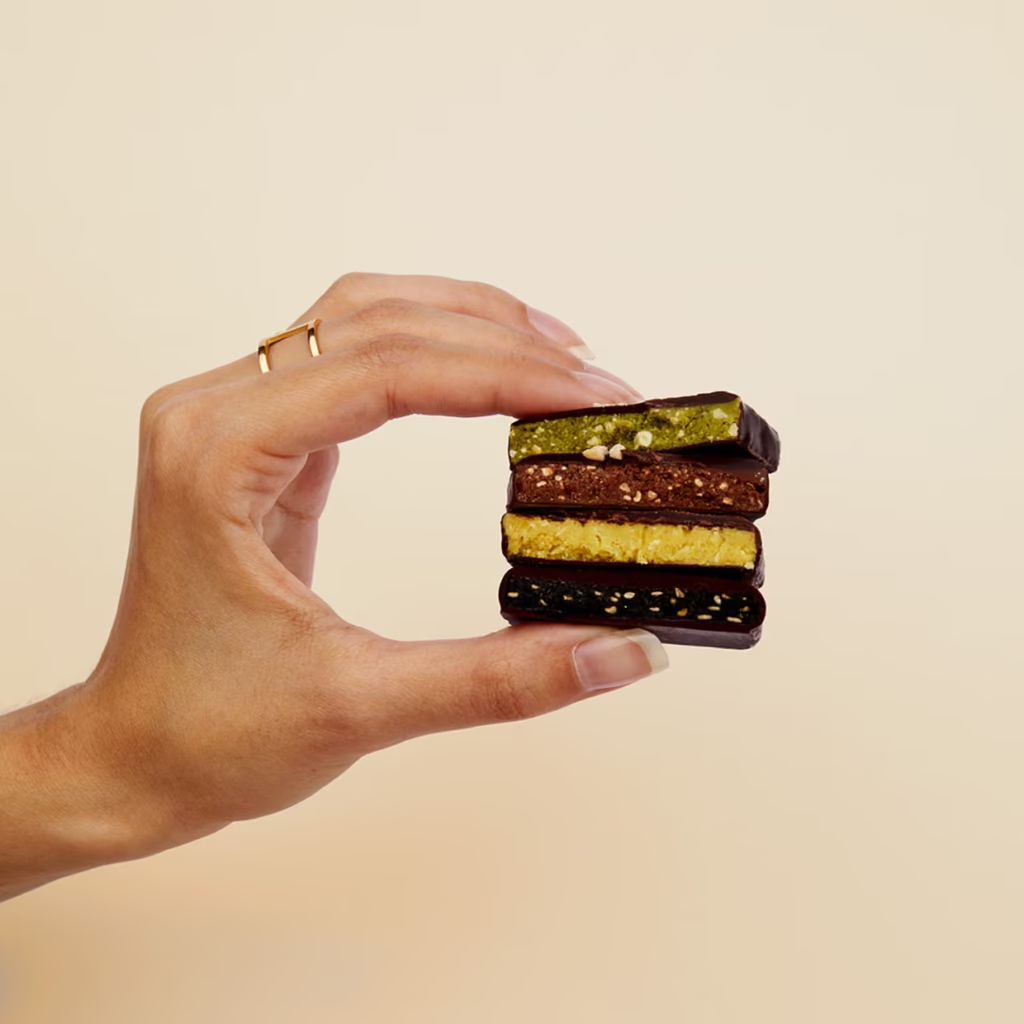
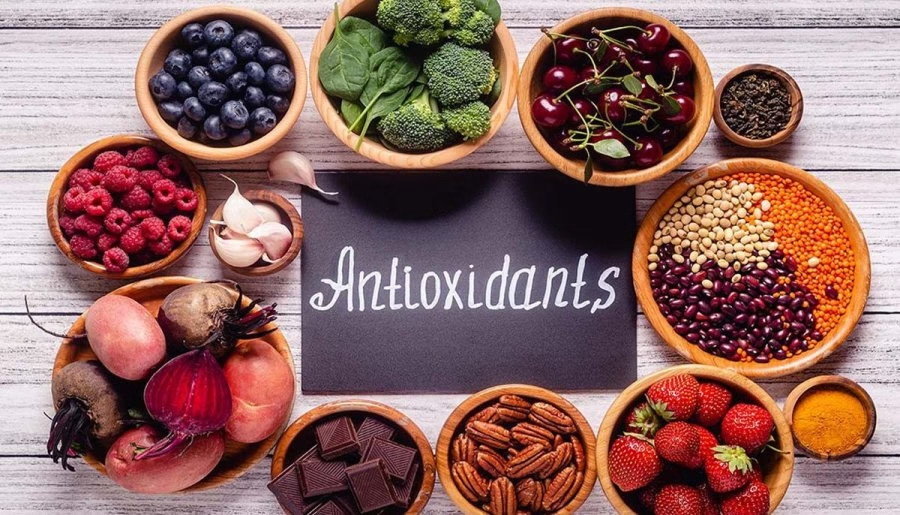
Matcha, on the other hand, is rich in antioxidants (compounds that protect the body’s cells from damage), supports brain function and benefits heart health, and has a calming effect thanks to its theanine content, in addition to promoting the gut microbiome.
What about potential drawbacks?
Coffee may cause stress or anxiety, heartburn and acid reflux because it is an acidic drink, and it may also negatively affect sleep.
Matcha, on the other hand, can also lead to sleep disturbances and may cause nausea.
Which is better?
The choice between coffee or matcha depends on your preferences and health goals. As the report states, both beverages offer various health benefits, as well as some drawbacks that may be more significant for some than others.
Here are some key points to help you decide whether matcha or coffee is right for you:
Coffee provides a greater energy boost for those seeking instant alertness.
* Matcha provides a slower, more sustained energy boost without a sharp, sudden drop.
* Matcha is less likely to cause stress and anxiety because its theanine content helps to balance the effects of caffeine.
Coffee is more acidic than matcha, which may cause stomach irritation or heartburn in some people.
Both coffee and matcha can support your weight loss goals through their ability to boost fat burning.
Asharq Al-Awsat